For a certain kind of dog, the entire appeal of the Lake District can be reduced to a single question: can I get in the water? The answer is mostly yes, gloriously so — but there are a few things worth knowing first, one of which is a matter of real safety, not fuss.
Start with the good news, because there is a lot of it. The Lakes is one of the best places in the country for a dog who loves to swim. The tarns — the smaller mountain pools above the valleys — are often perfect: cool, clean, easy to get in and out of, and frequently at the end of a walk that has already taken the edge off a dog’s energy. Easedale Tarn above Grasmere is a classic. The larger lakes, Derwentwater and the quieter reaches of Windermere among them, offer long shallow shores where a dog can wade and paddle without committing to a full swim.
The one thing worth taking seriously
Blue-green algae is the reason this article is not simply a list of nice places to swim. In warm, still conditions — most often late summer and early autumn — some Lakeland waters develop blooms of blue-green algae, which can be seriously toxic to dogs, sometimes fatally and sometimes fast. It tends to look like green or blue-green scum, flecks or a paint-like film on the surface or gathered at the water’s edge. The sensible rule is simple: if the water looks scummy, discoloured or has a film on it, keep your dog out of it and away from drinking it, and rinse them off if they do get in. Blooms are not always obvious and not always signed, so a degree of judgement is needed — when in doubt, choose moving water or a clear-running tarn over a stagnant, warm margin.
Cold water, and the shock of it
Lakeland water is cold, even in August, because much of it is fed from the fells and never really warms through. For most dogs this is invigorating rather than dangerous, but two cautions apply. A dog that hurls itself into very cold water can suffer the same cold-water shock a person can, so let an excitable dog wade in rather than launch off a height. And a long swim in cold water tires a dog faster than the same effort on land, so keep first swims short and watch for a dog tiring further out than it can comfortably get back from.
Boats, currents and the busy lake
Windermere is the one to think about, because it is the busiest stretch of inland water in the country in summer, with launches, motorboats and paddleboards all sharing it. It is a wonderful lake for a dog, but on a sunny August afternoon the main basin is no place for a dog swimming out from shore. Pick a quiet bay, the shoulder seasons, or one of the smaller, motor-free tarns and lakes if your dog likes to range. Where rivers run into or out of the lakes, currents can be stronger than they look, so treat river mouths with the same care you would the sea.
Getting on the water, not just in it
Swimming is not the only way a dog can enjoy Lakeland water. Several of the lake cruises welcome dogs aboard — the Windermere launches and the Ullswater Steamers among them — which makes for a fine, low-effort day for an older dog, or a way to rest tired legs after a walk while still being out on the water. A boat trip one way and a gentle shore walk back is one of the better days the Lakes offers a dog and its owner.
Where to stay
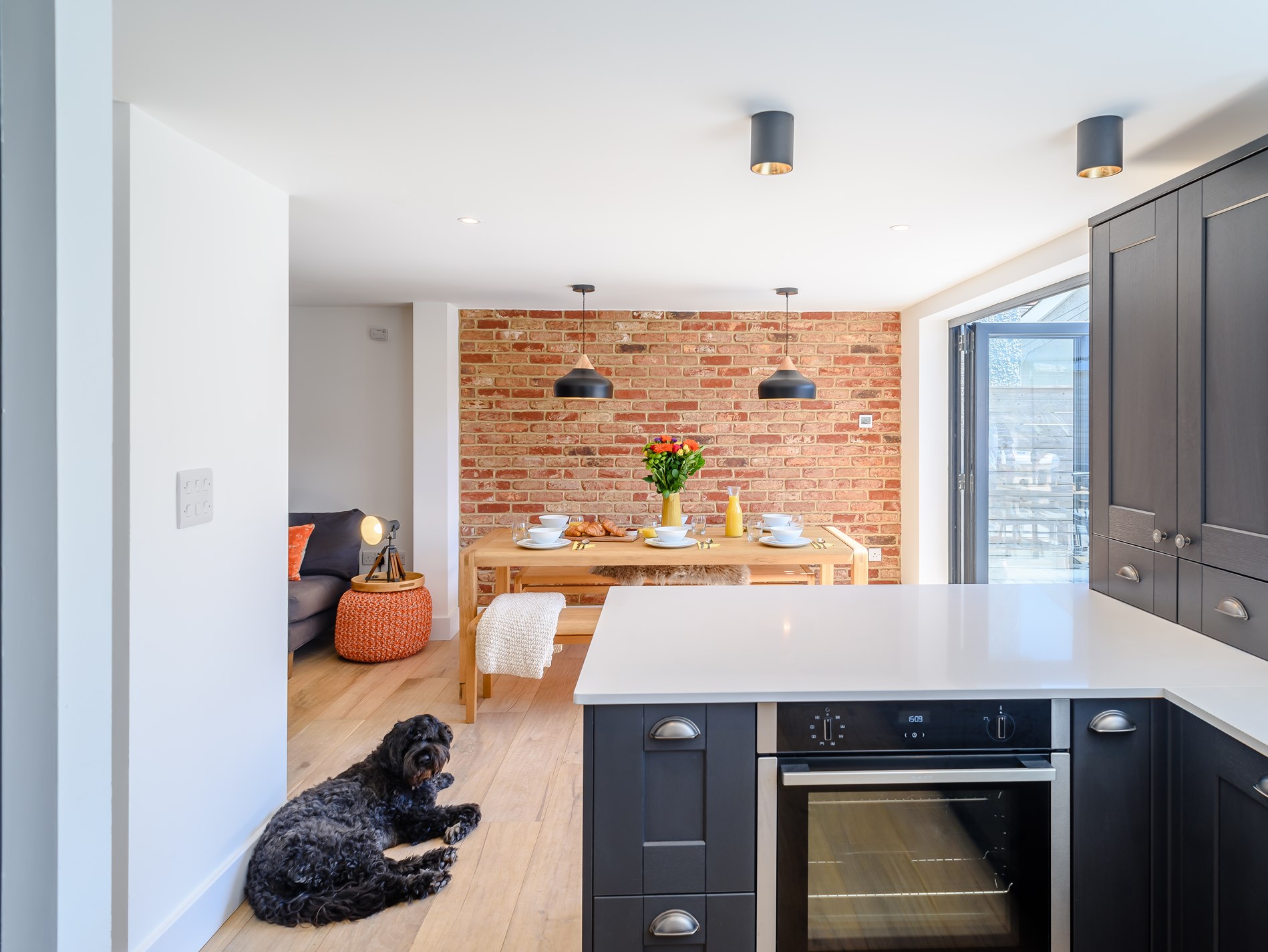
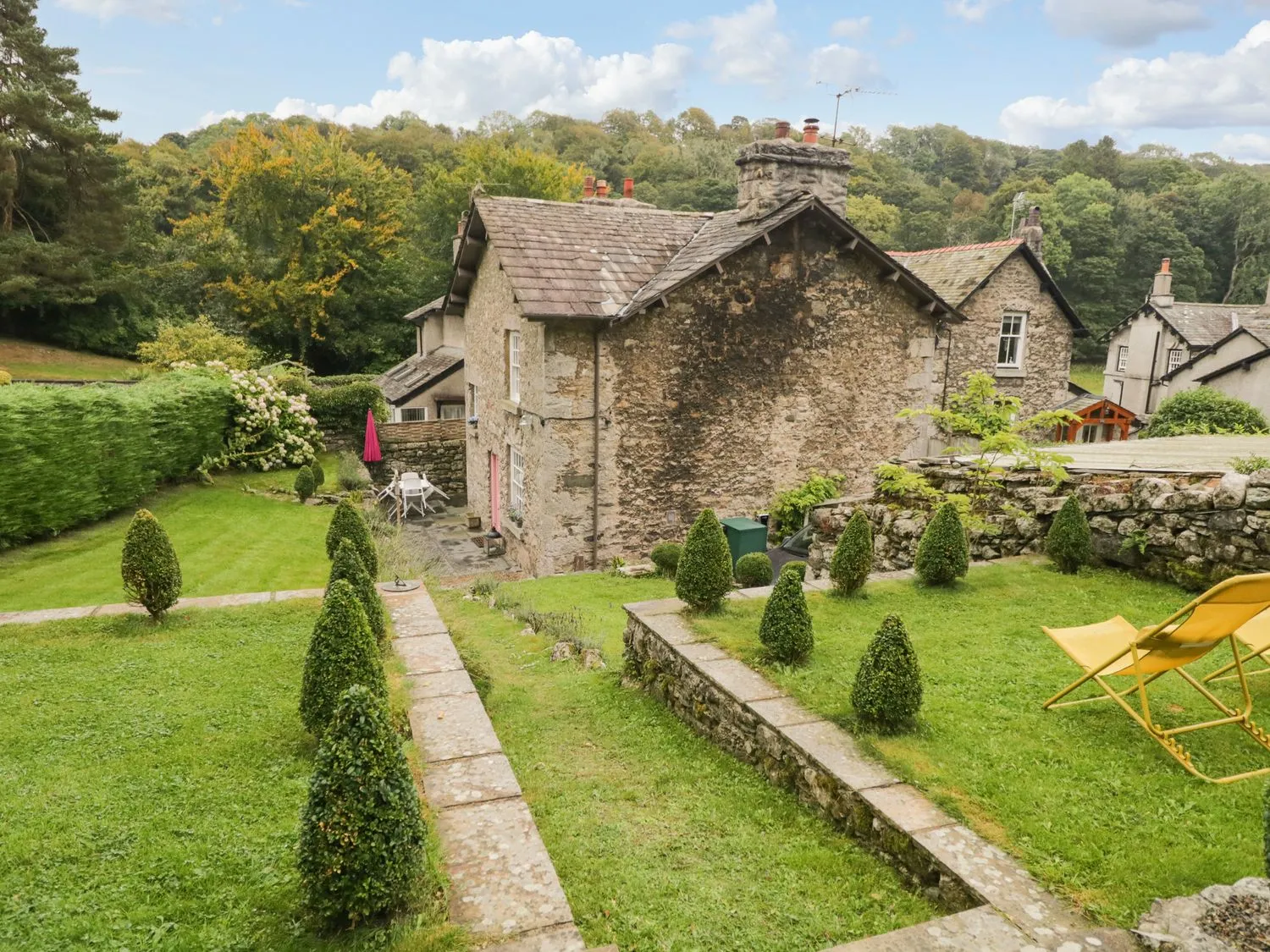
If water is your dog’s thing, base matters less than usual — the lakes and tarns are spread across the whole park — but our two places give you a choice of character. The Cartmel Cottage sits on the gentle southern edge near Grange, handy for the quieter southern waters; Skelwith Fold near Ambleside puts you within reach of Rydal, Grasmere and the central tarns.
For both, and a short guide to the area, see our dog-friendly Lake District collection — or, if you are weighing up which walks suit your dog, read which Lakeland fells actually suit a dog.