The walks worth the drive, the history that explains why a place looks the way it does, and the practical detail that's useful once you're standing there needing it. Slow to write. Worth the read.
A walk past the oldest golf course in England. Somewhere along the way you're also crossing a 1069 battlefield, with nothing left today to mark it.
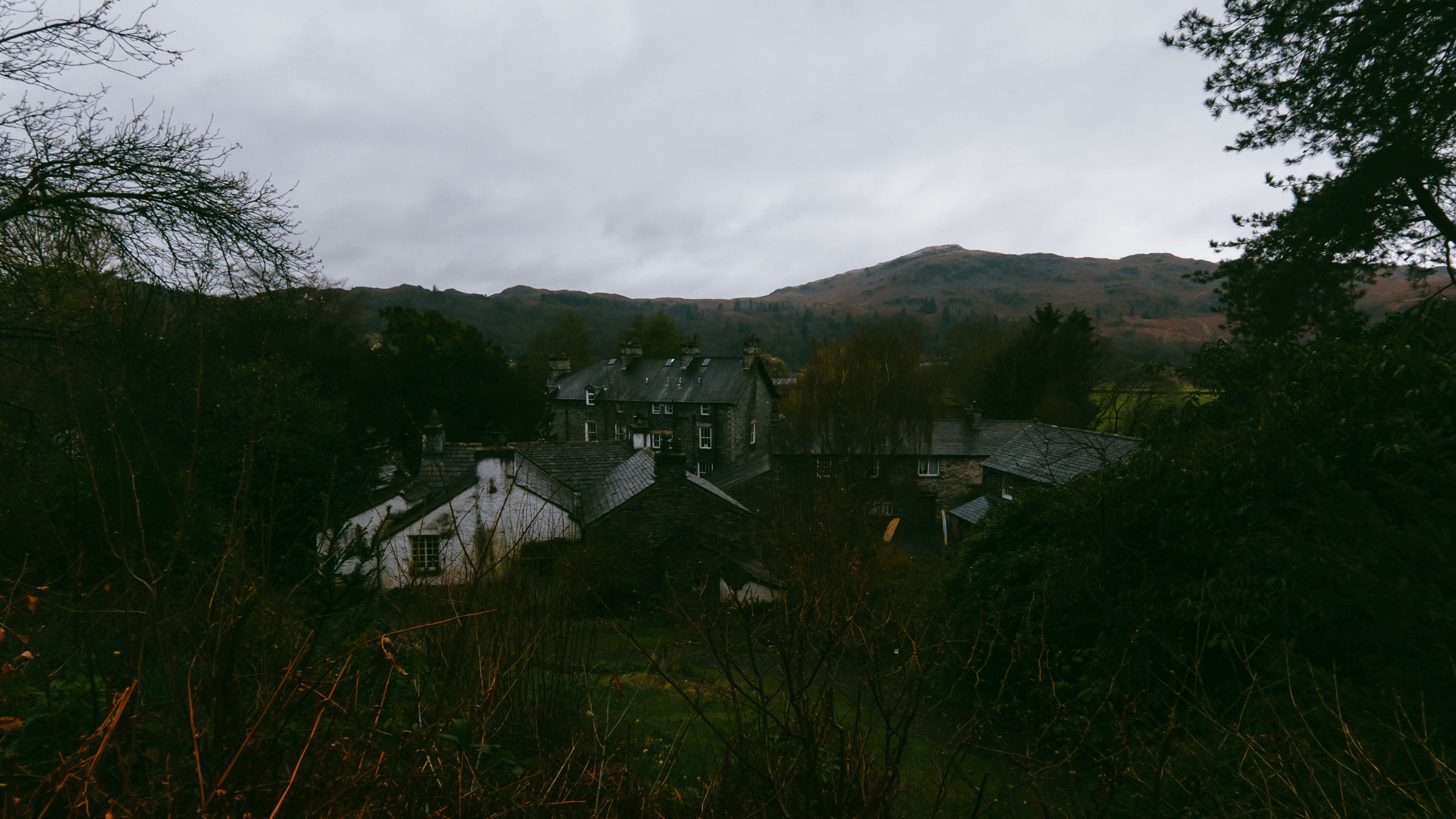
Dove Cottage and Rydal Mount, Wordsworth's two homes, the old Coffin Road between them, and a set of quarry caves you can walk right into.
A village abandoned twice over, a folly built purely for gambling and drink, and a roof held down by an actual anchor chain.
Cornwall has two coasts, and they suit different dogs: wild Atlantic north, or sheltered south. How to choose.
Outside the summer season the beach bans lift and the crowds vanish. Why the off-season is the dog owner’s secret.
The flat, traffic-free route from Padstow to Bodmin: which section to choose, the on-lead rule, and where a dog can swim.
Two beaches on opposite sides of the same headland, a harbour town between them, and a coast path that turns wild within a mile of the galleries.
The third largest natural harbour in the world, a castle built to fire across the water at the same ship as its twin, and a headland with an Iron Age fort, two shipwrecks and a WWII gun emplacement nobody signposts.
Two coastlines doing two different jobs. A hub linking out to the specific places already covered in more depth.
A sea pool built in 1930 and saved from demolition by volunteers in 2011, a shipwreck exposed at low tide, and six different beaches, most of them dog-friendly all year.
Wild, quiet, and about as far from the crowds as Cornwall gets, with strange rock formed 380 million years ago and the spot where Marconi sent the first transatlantic radio signal.
West Bay, Studland, Chesil and Kimmeridge: what to expect and when dogs are welcome.
Golden Cap, the Purbeck ridge and Kimmeridge: the walks worth making the trip for.
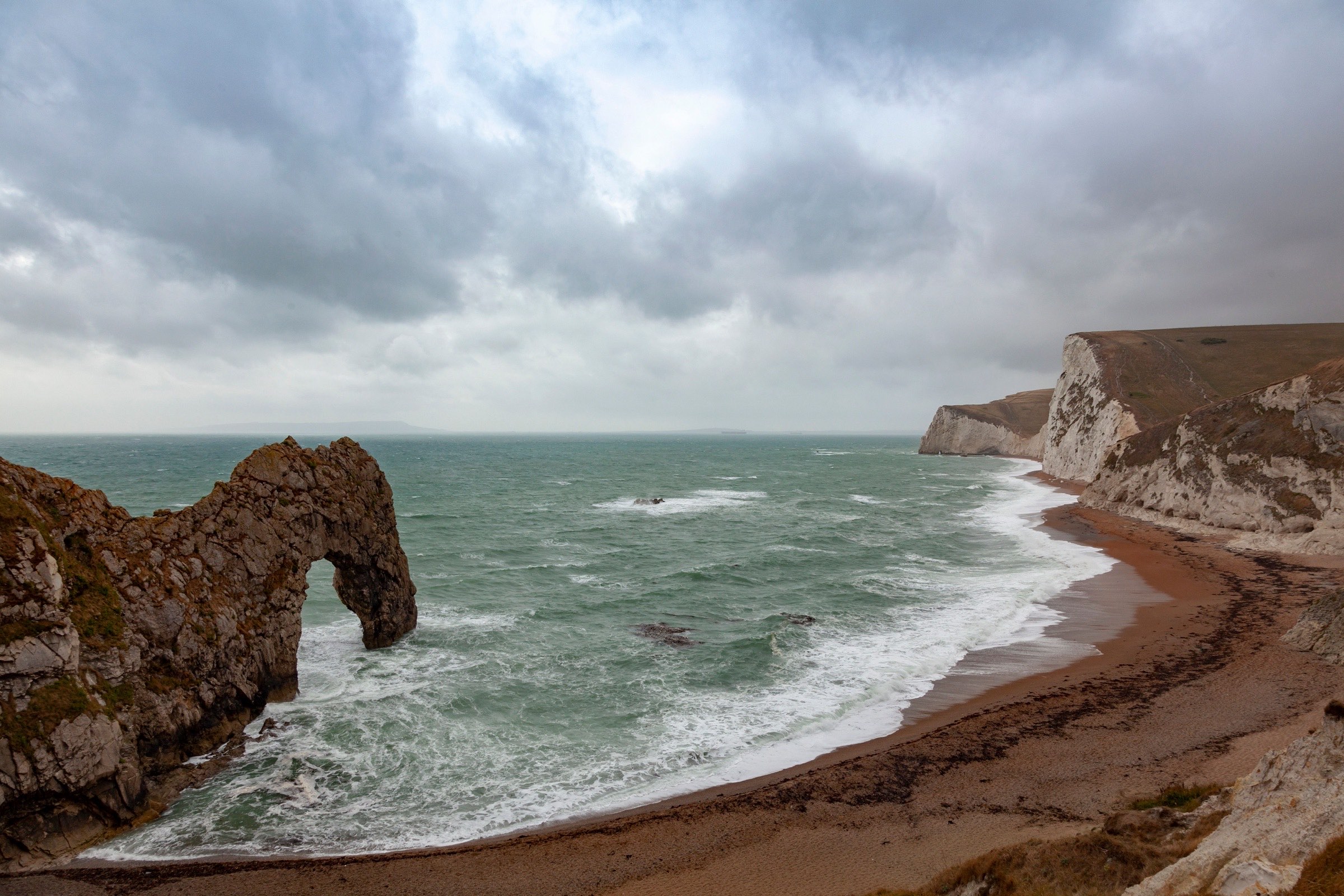
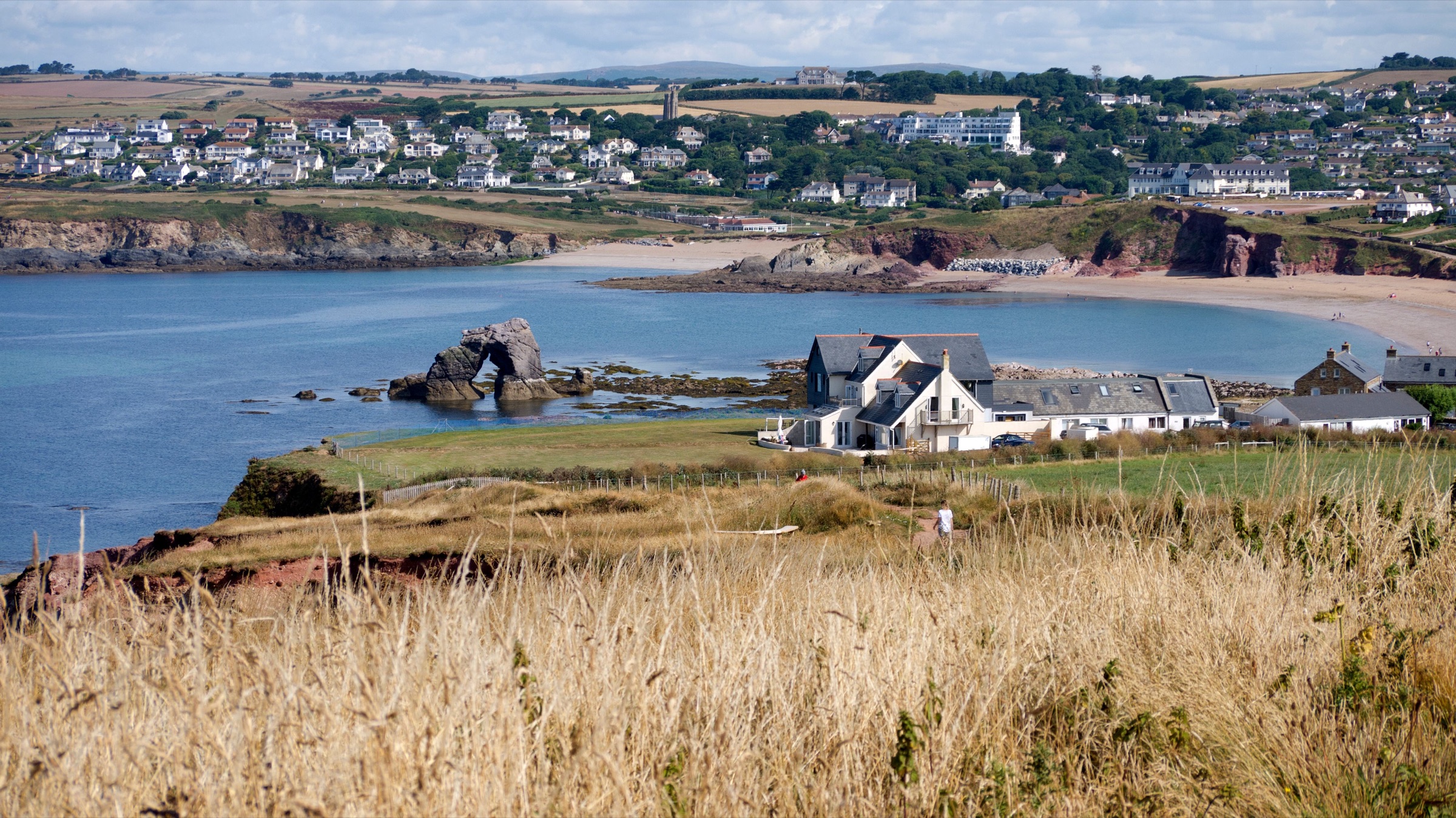
The same band of rock formed both of them. A circular bay at one end, a collapsed arch at the other, a mile of coast path in between.
A forty-ton stone globe shipped from Greenwich by boat and cart, a Town Hall wearing the face of a London guild hall, and a railway rebuilt from nothing by volunteers who refused to lose it.
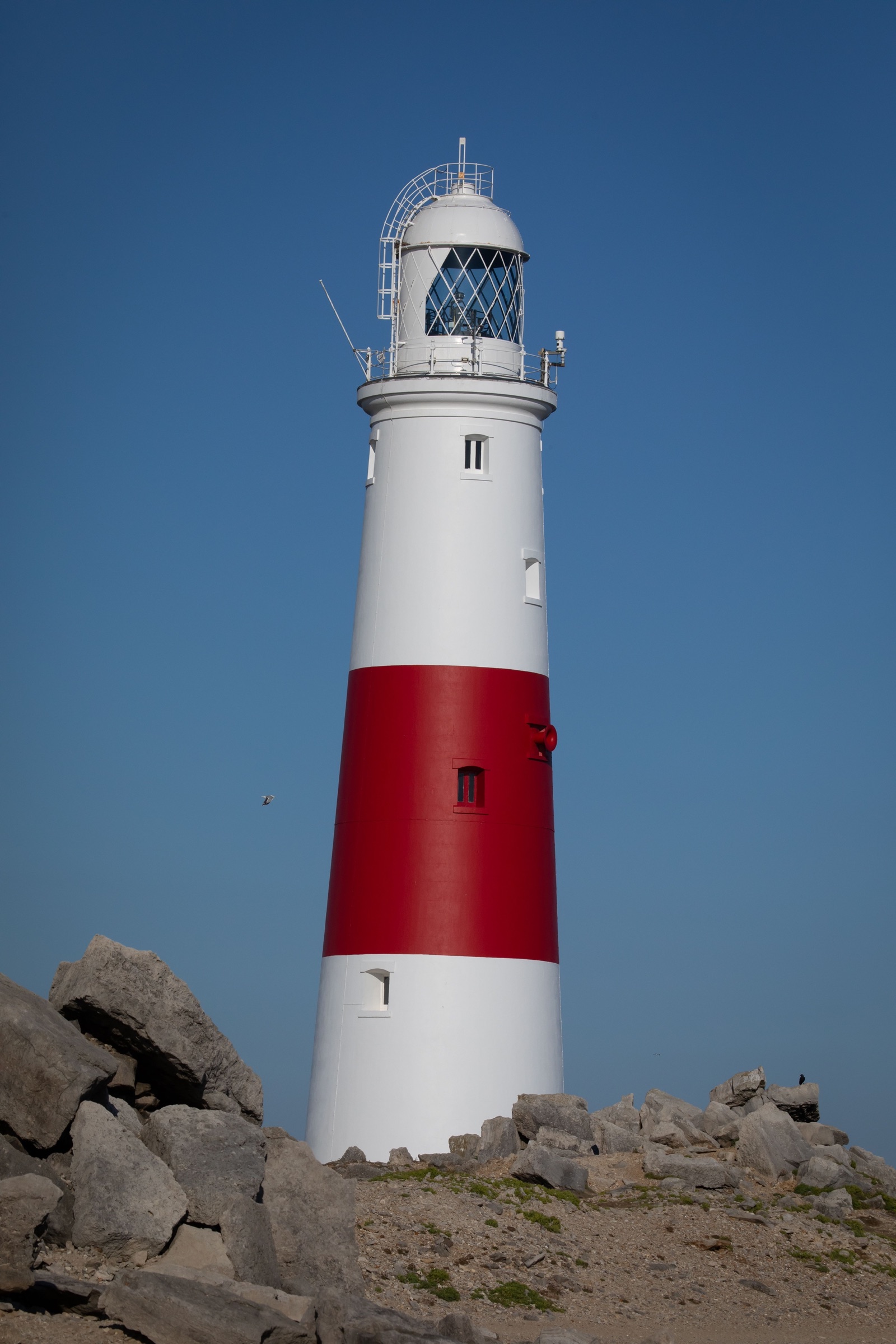
A lighthouse painted in bold red and white stripes, an accidental rock stack left over from Victorian quarrying, and the stone that built St Paul's Cathedral, all in one flat, easy walk.
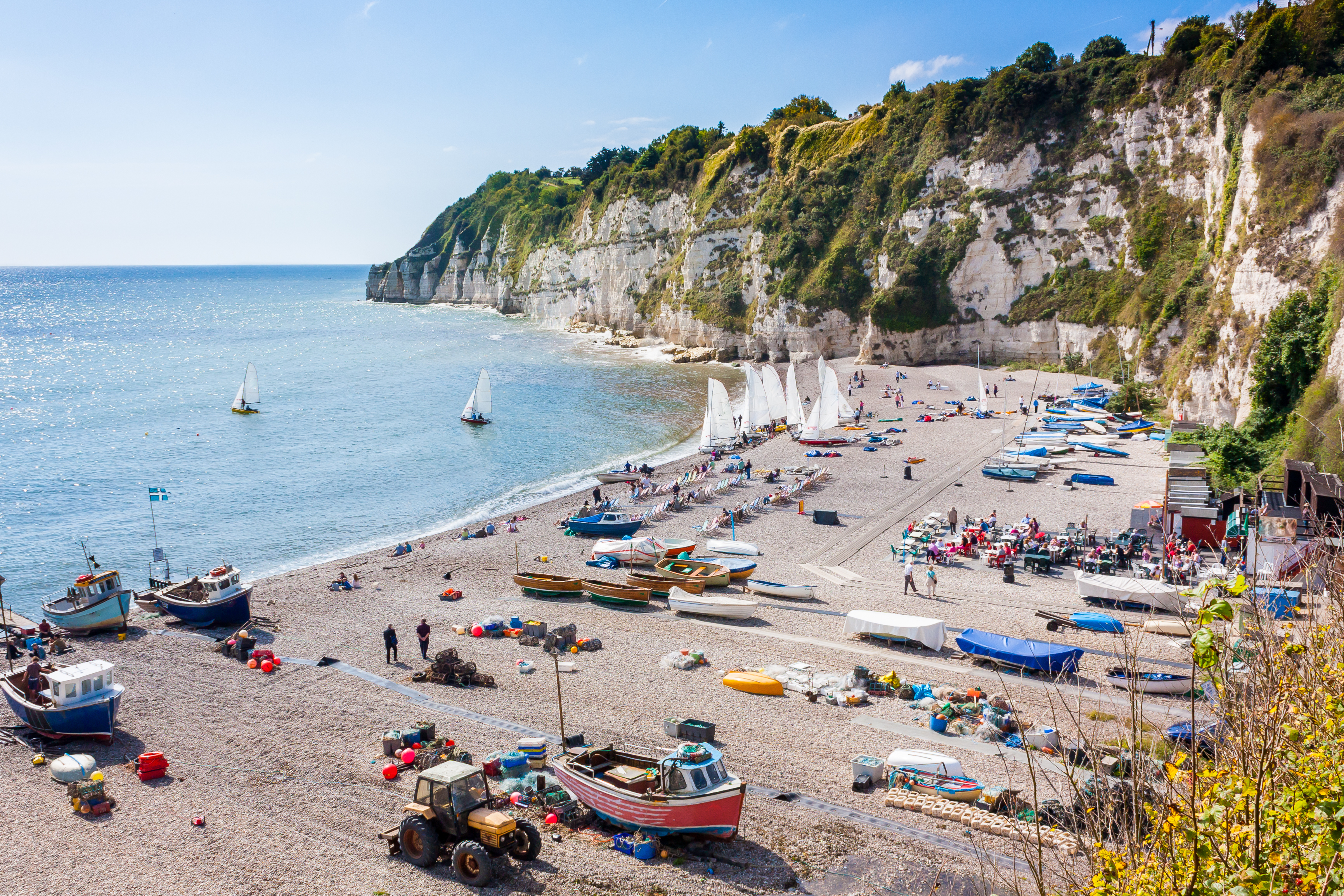
From Saunton Sands to Beer Cove: the Devon beaches that welcome dogs, north and south coast.
Fourteen handpicked attractions across Devon: gardens, castles, waterfalls and forests where your dog is welcome.
368 square miles of open moor, no waymarked routes, and livestock that outnumbers the walkers. What to know before the first visit.
A castle, a fort that gave up far too easily, and two ferries doing the job a bridge never got round to.
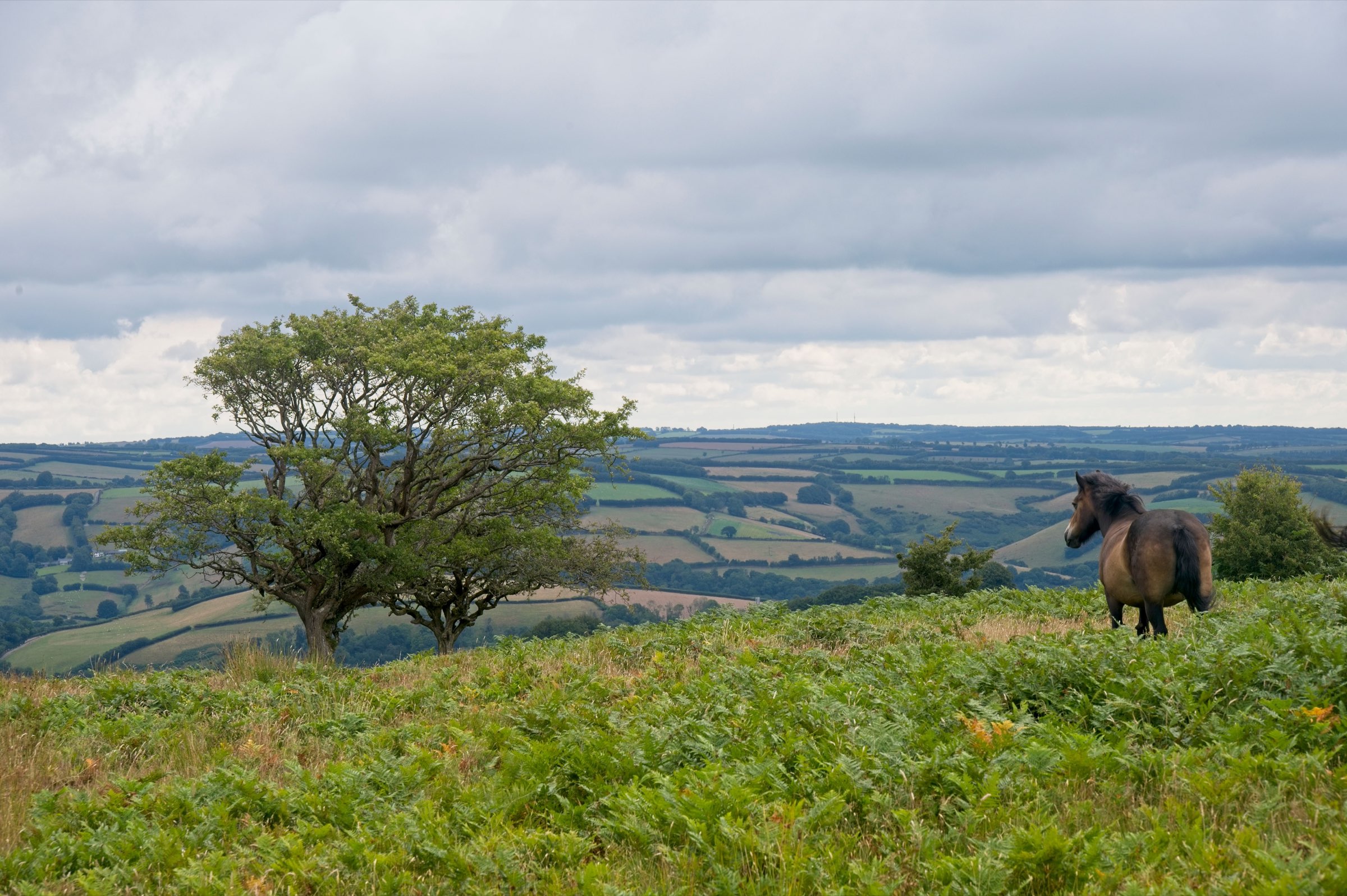
A moor that nearly lost its own ponies to extinction, a bridge the Devil is said to have built, and the highest sea cliff in England at the end of it.
A Bronze Age shipwreck, four hundred Moroccan gold coins, and a fort that held out five months in the same year and against the same siege that ended Cornwall's Pendennis Castle.
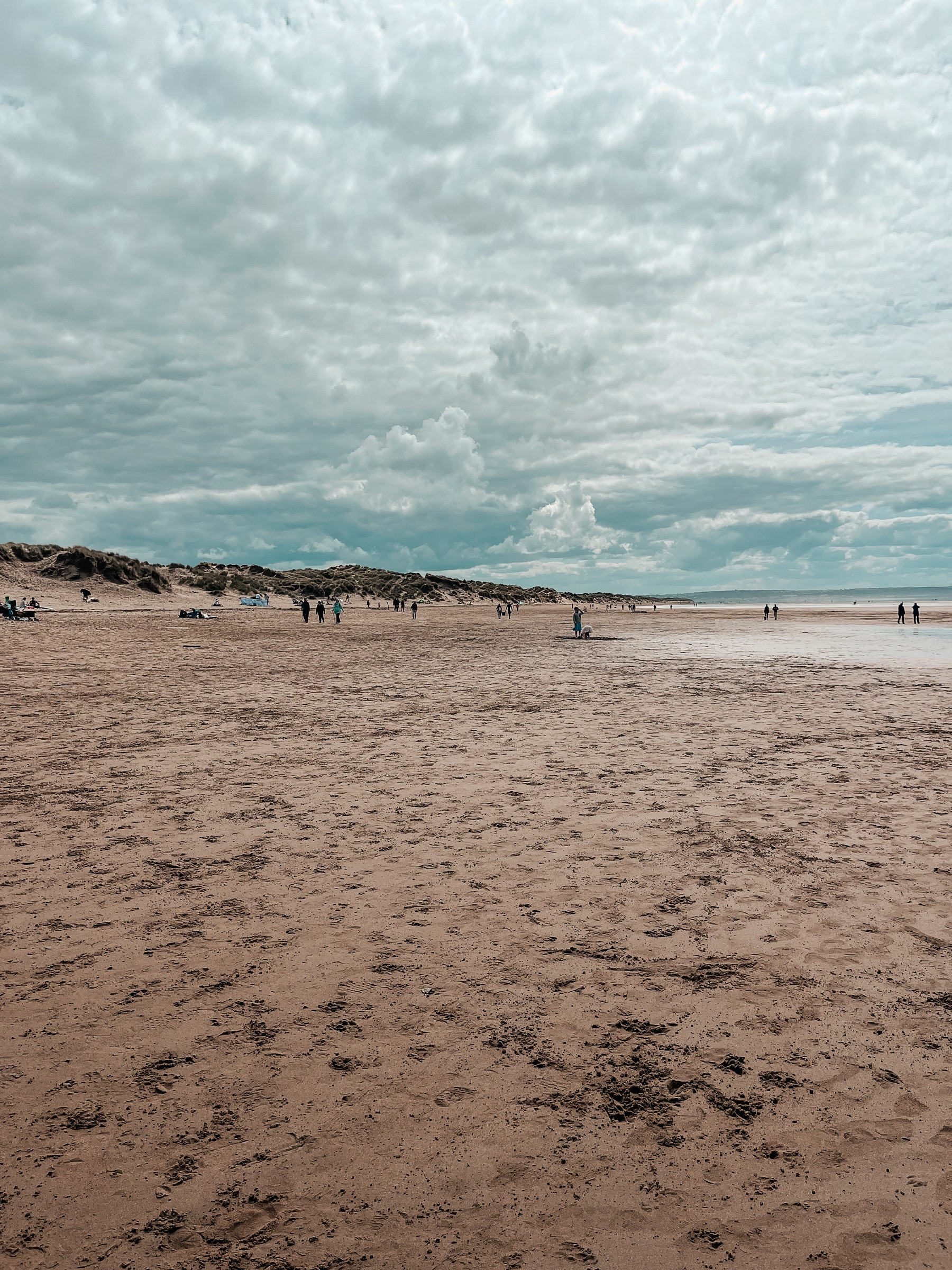
Three and a half miles of sand, dog-friendly every single day of the year, no seasonal ban, backed by England's largest dune system.
Borrowdale, Buttermere, Langdale and Derwentwater: the valley walks that suit a dog far better than the fells.
Most lists treat every dog the same. An honest sorting of Lake District walks: by the dog you are actually walking.
Mostly yes, but blue-green algae, cold water and boat traffic are worth knowing first.
A considered guide to Keswick, Windermere, Ambleside, Grasmere and the wider Cumbria: towns, walks, and what to expect.
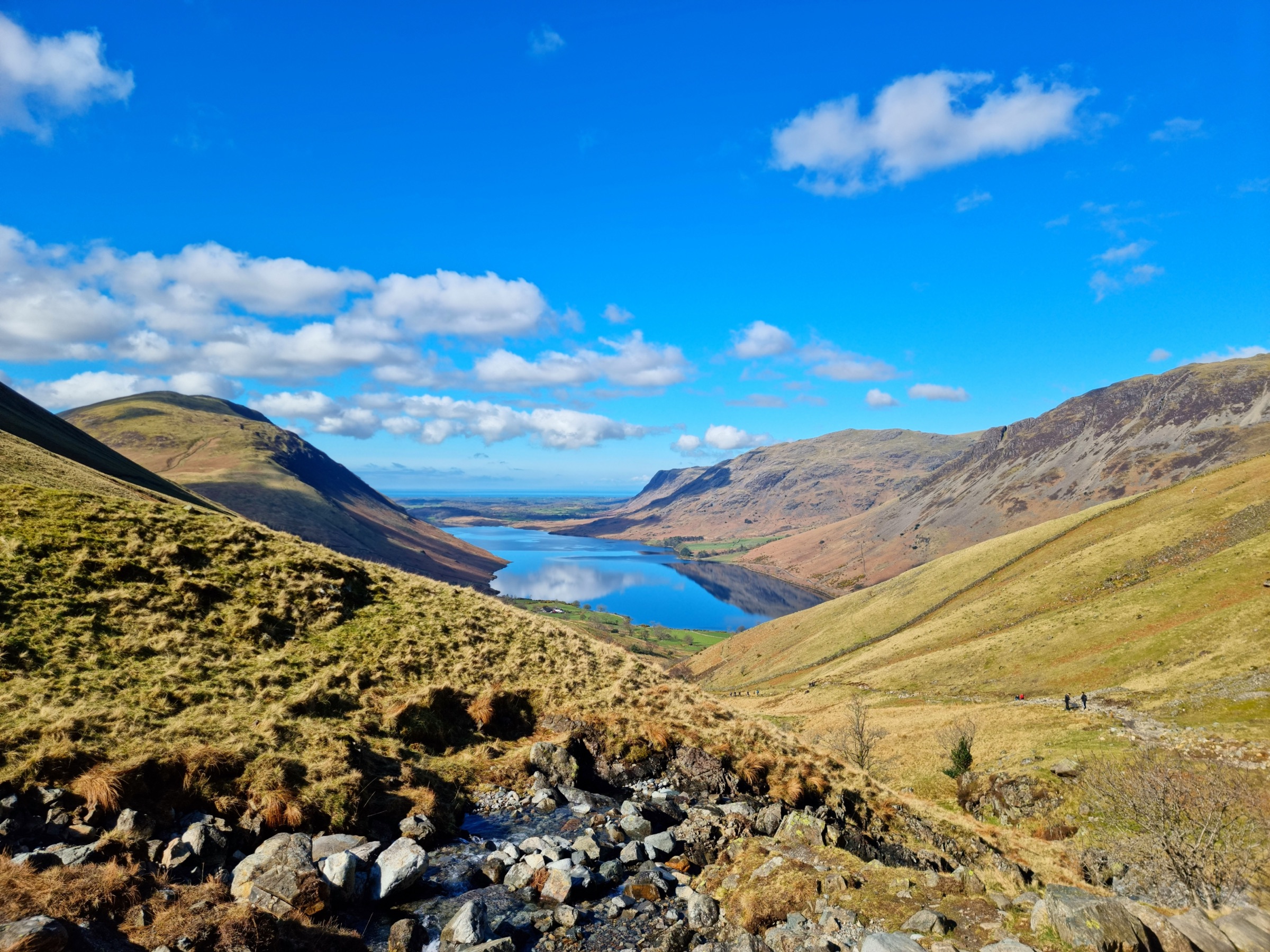
A waterfall named twice over in a language nobody's spoken here for a thousand years, a steamer that once hauled lead ore, and the walk where Wordsworth found his daffodils.
A restored Victorian steam yacht, a fell scarred with old copper workings, and two men, a critic and a speed record breaker, buried in the same small churchyard above the water.
A staged walk from Overbeck Bridge to the lake foot and back, bluebell woods, the view across to the Screes, and the pub whose 19th-century landlord inspired the World's Biggest Liar competition.
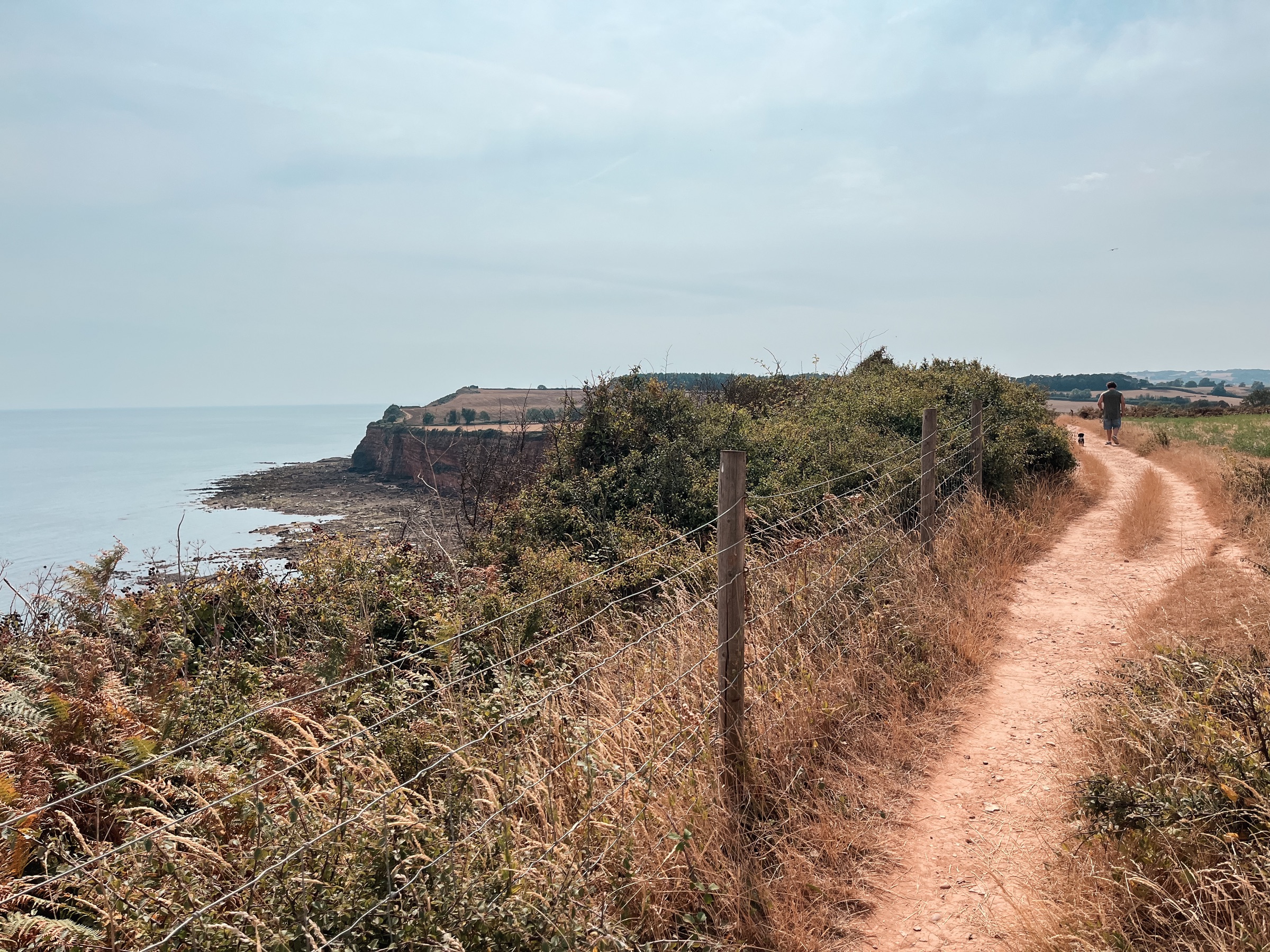
630 miles of cliff path, all of it walkable with a dog. The best sections and what to know before you go.
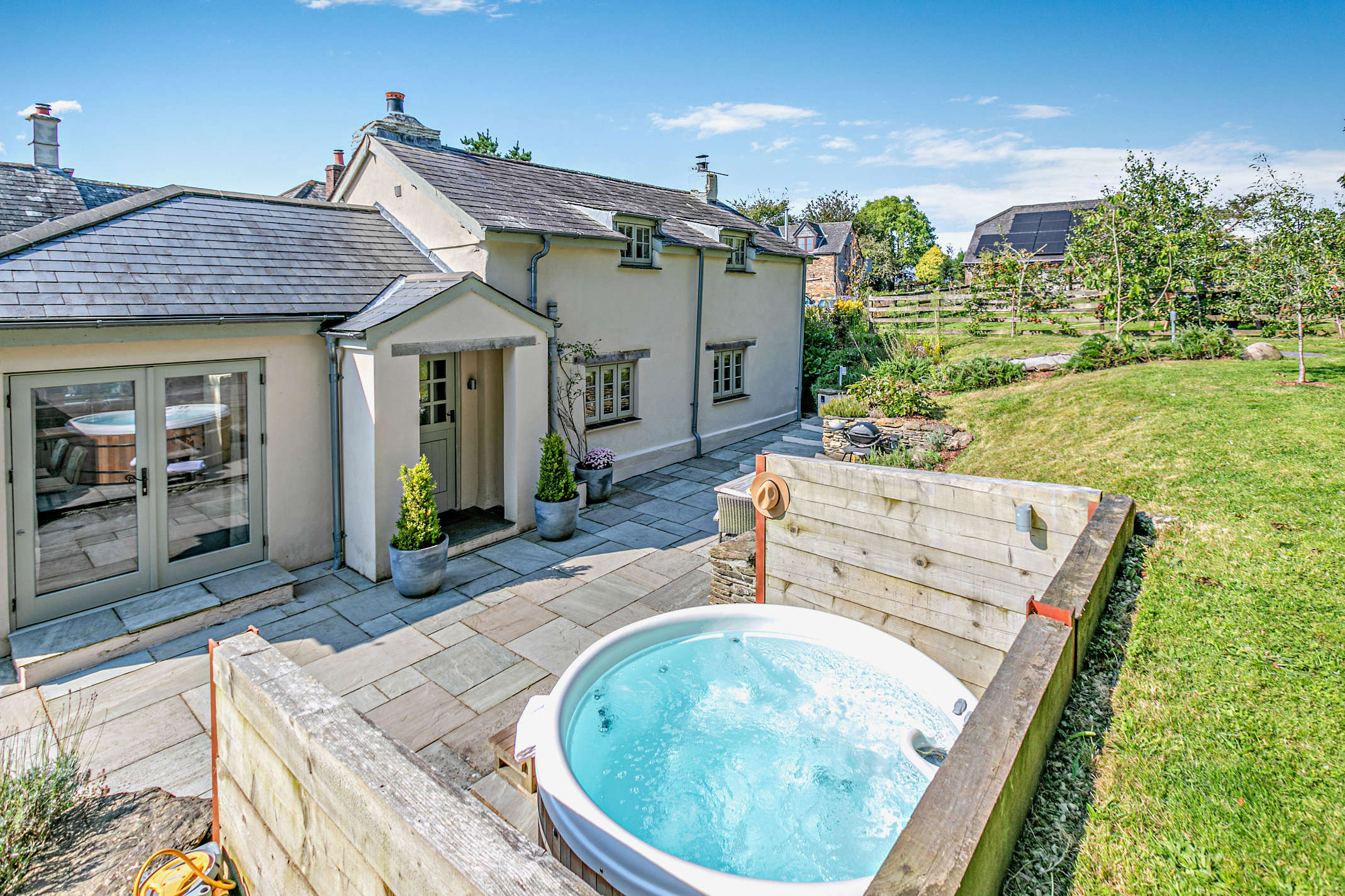
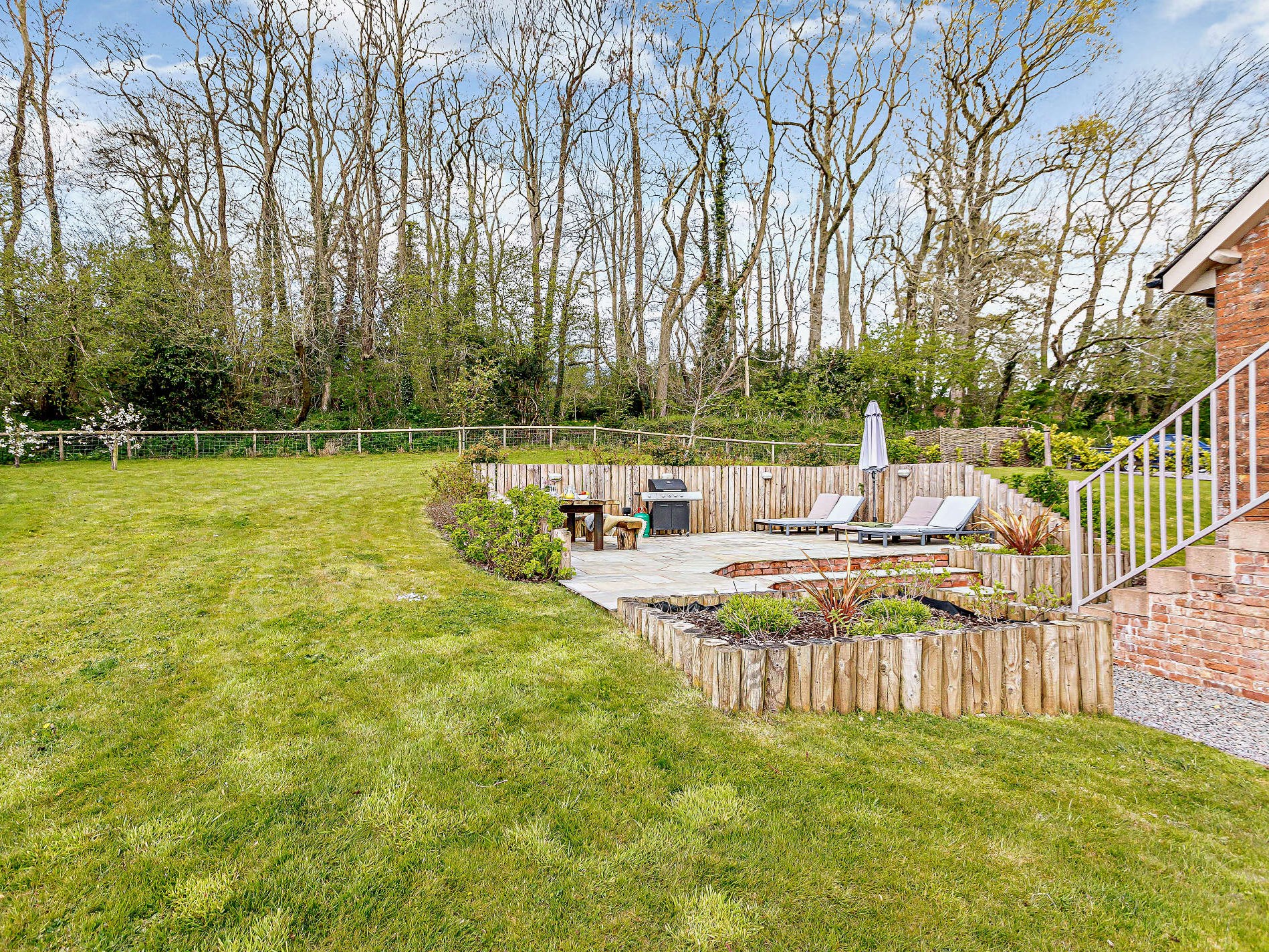
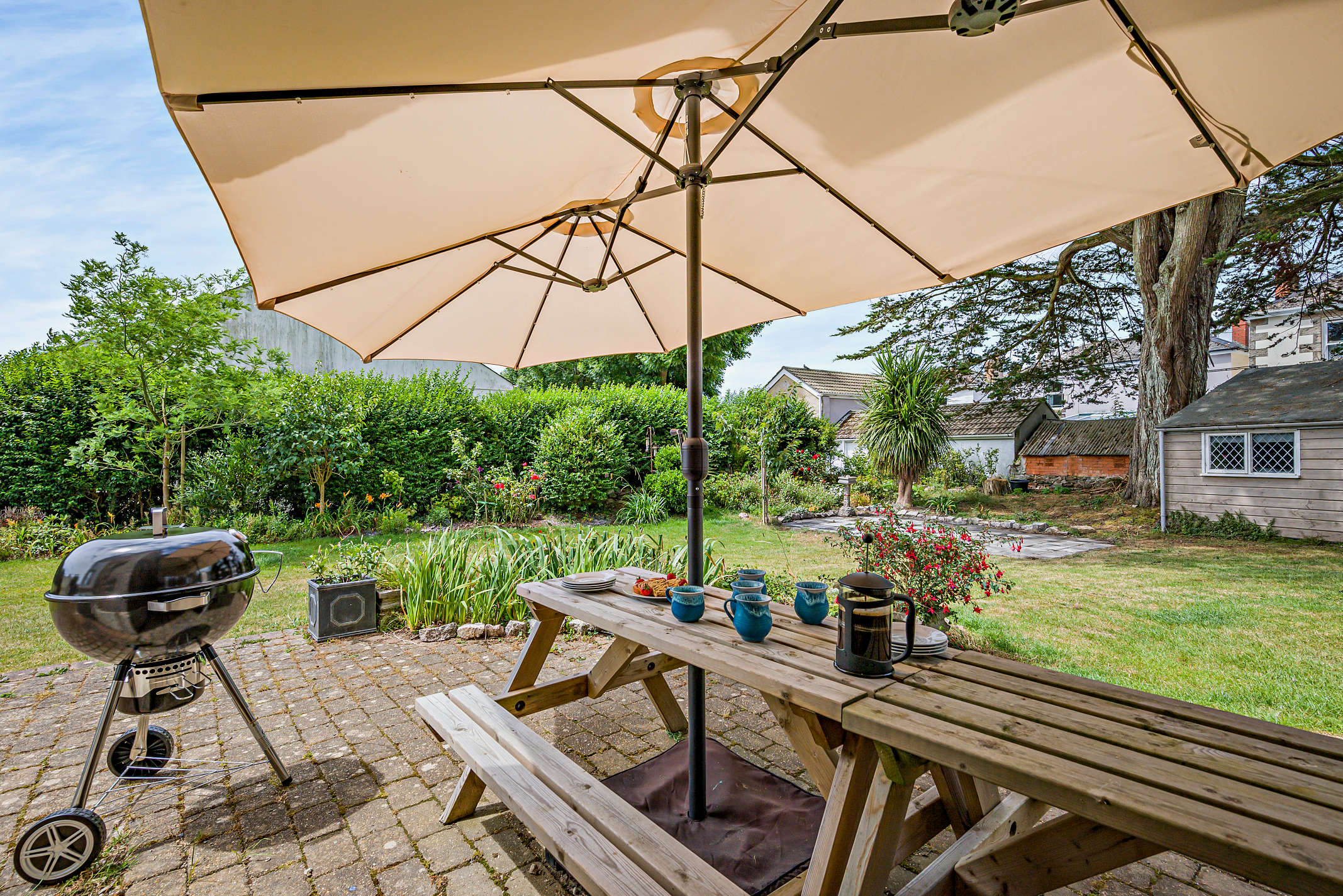
What “enclosed garden” actually means, how to check before you book, and the cottages we curate with secure outside space.
The cottage features that make a difference for a nervous dog, and the questions worth asking before you book.
Single-storey layouts, flat walks, step-free access. The features most listings ignore, and the regions that suit a slower pace.
Most people choose by picturing themselves on the beach, or by the fire. Worth asking what your dog would choose instead.
Railways, postcards, and a Victorian boarding house that locked its own guests out all day. How the dog quietly became part of the story too.
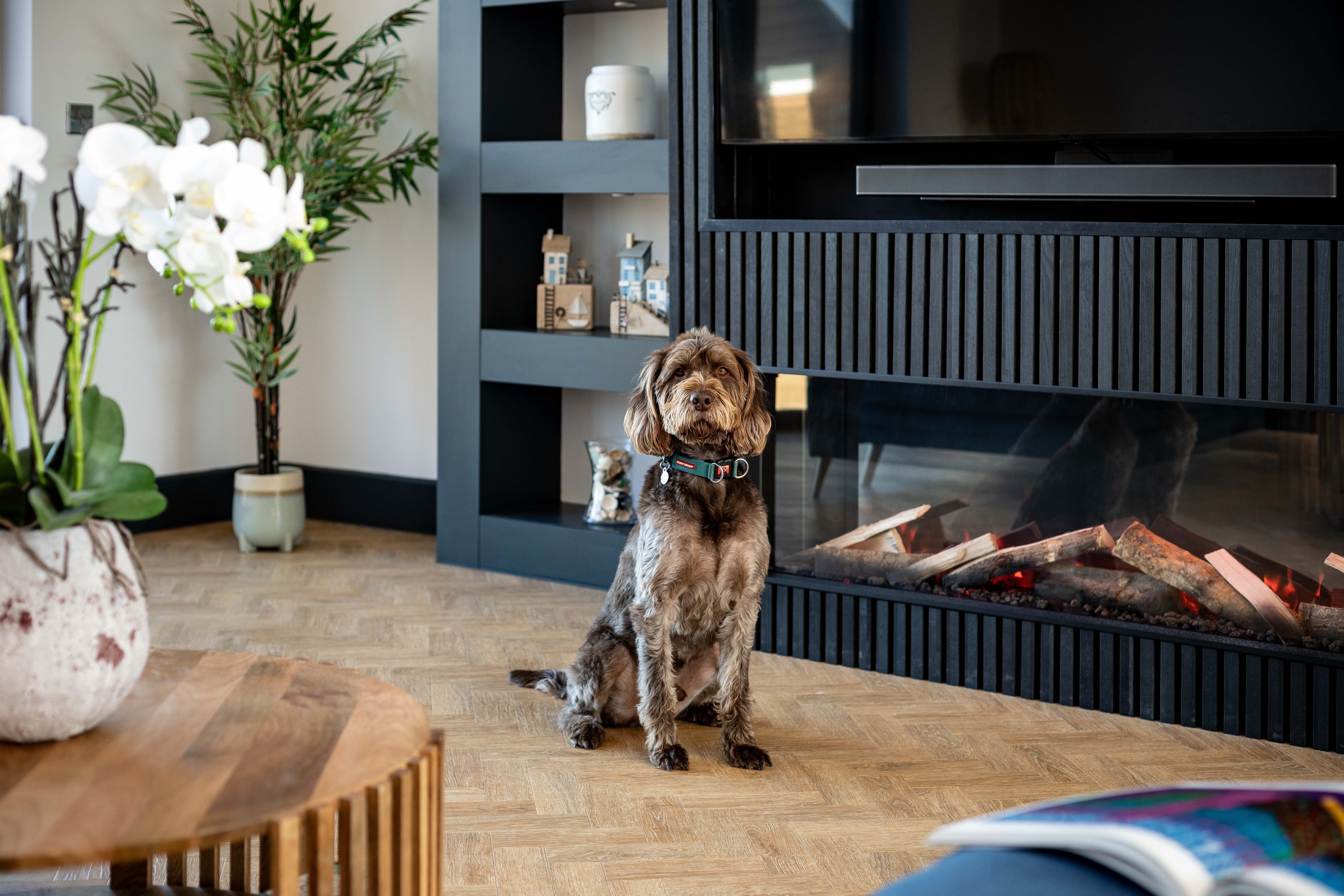
These weekends ran on working gundogs living in a kennel block, not a family dog by the fire. What's changed, and what a Together property does differently.
The National Trust's first holiday cottage opened in the Lake District in the late 1940s, to pay for the roof. Every big group cottage since is its descendant.
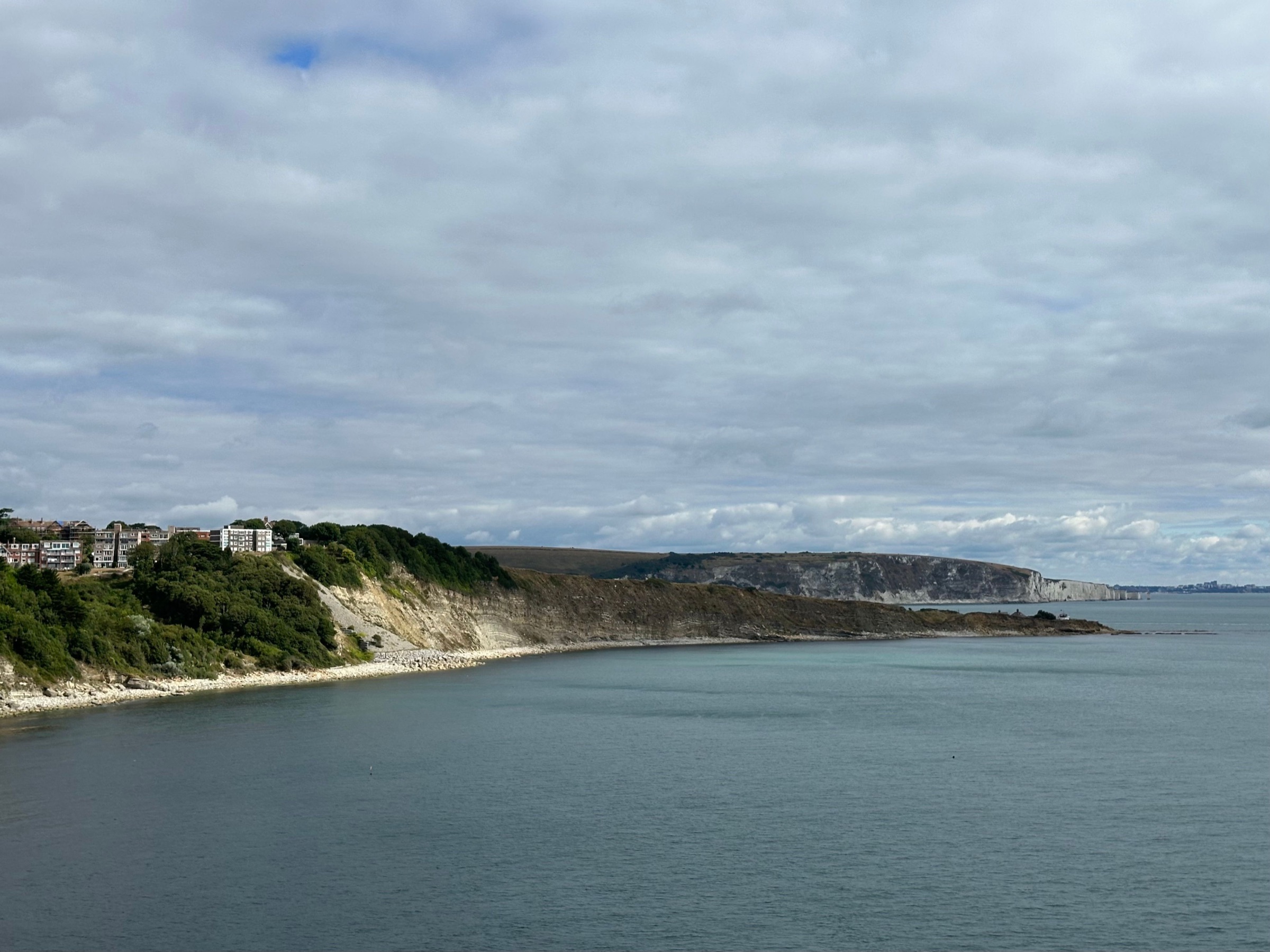
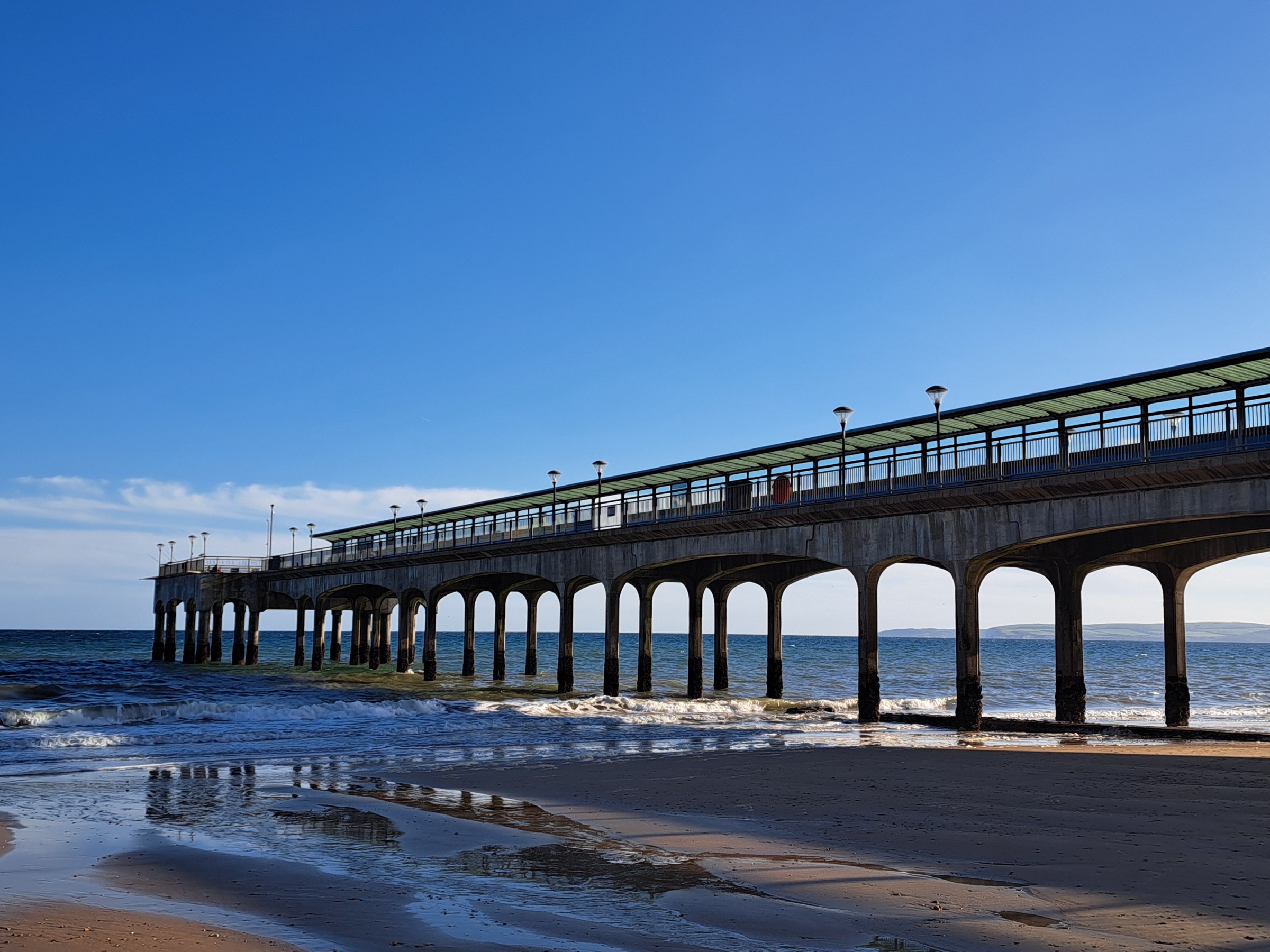
One engineer designed Brighton's, Bournemouth's and Swanage's piers. Both Dorset ones were breached in the Second World War, and both survived.
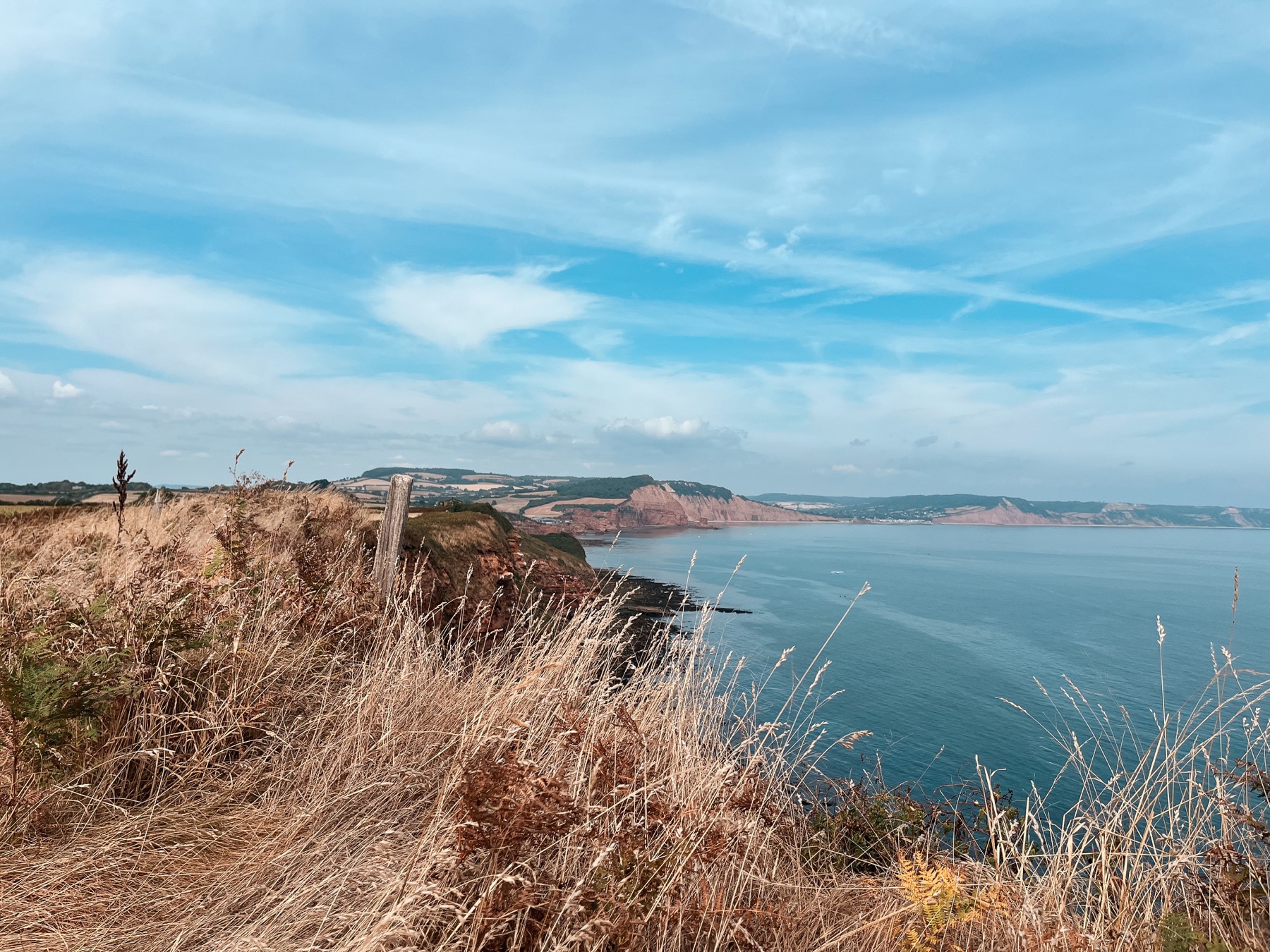
A coastguard's beat, walked to catch smugglers until 1856, Beer's own Jack Rattenbury among them. Every headland and cove it hugs is the reason a short map distance rarely means a short walk.
A Tokyo study found a daily dog walk lifts calming brain chemicals by up to 40 per cent. The real research behind why everyone's in a better mood by the second mile.