The Isle of Purbeck isn’t an island. It’s a peninsula that only ever earned the name because the rivers and the sea nearly cut it off from the rest of Dorset, and Swanage sits at the far end of it, a stone-quarrying town that spent the Victorian era reinventing itself as a seaside resort without ever quite giving up the quarrying.
The bay and the seafront
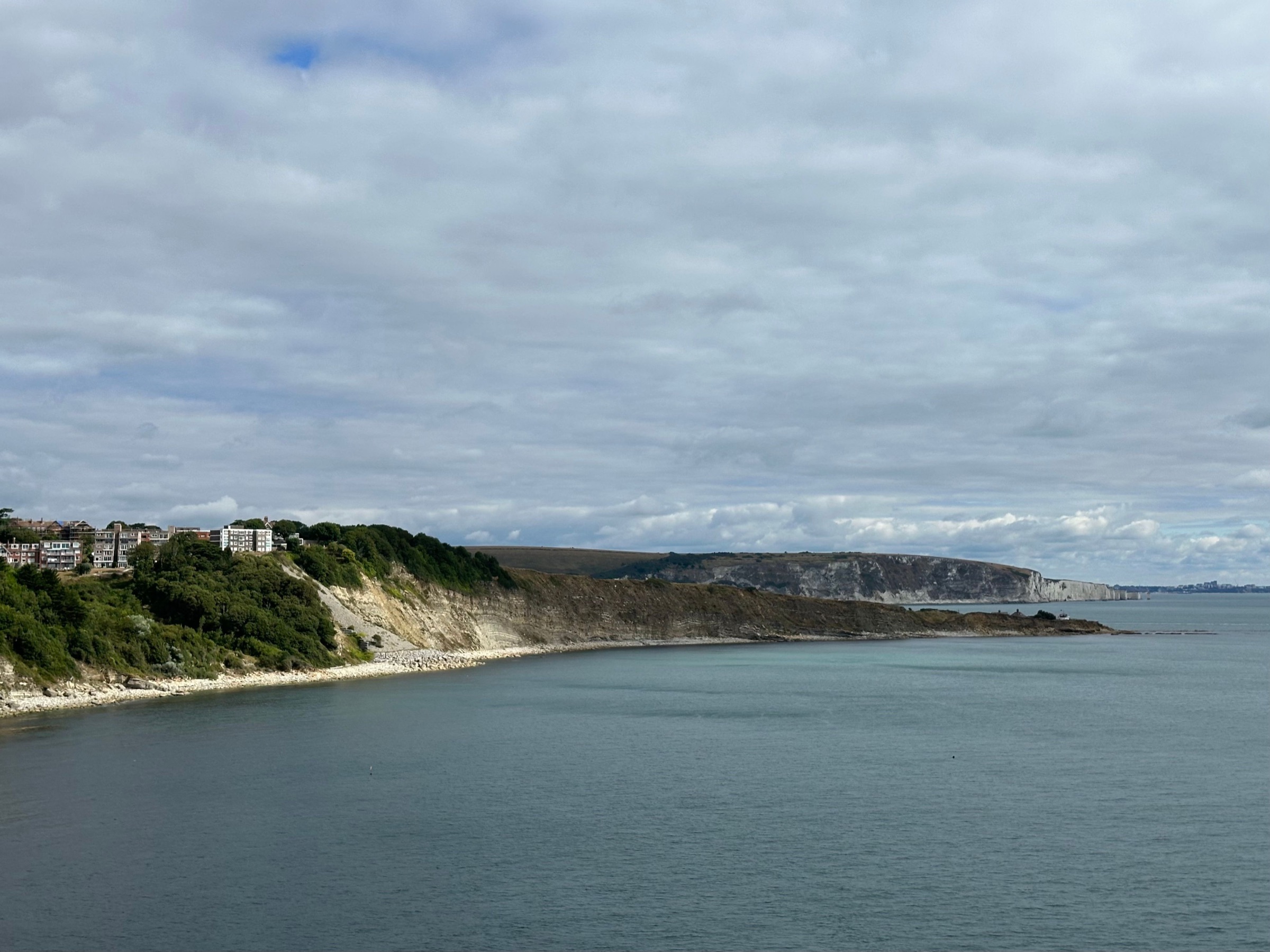
Swanage’s own station opened in 1885, and the railway did for the town what it did for dozens of others on this coast: turned a working harbour into a beach holiday destination inside a generation. The bay itself is wide, sheltered, and faces east across to the Isle of Wight, calm water by Dorset standards and a sharp contrast to the exposed coast further along toward Kimmeridge.
Stone merchants who brought London home
Two men shaped most of what the town looks like today. John Mowlem made his fortune paving London’s streets, including Fleet Street and the Strand, before returning to his home town with money and, apparently, a habit of bringing pieces of the capital back with him. His nephew, George Burt, carried on the same instinct: the Wellington clock tower now standing near Peveril Point started life in London, and the seventeenth-century stone facade of Swanage’s Town Hall, built in 1864, was originally the front of the Mercers’ Hall in Cheapside. Purbeck stone itself travelled the other way for centuries before either man was born, quarried locally and shipped out to build cathedrals and civic buildings across the country, so the exchange, London coming to Swanage for once, ran in both directions over time rather than one.
Burt’s largest transplant sits at Durlston Country Park, on the coast path above town: the Great Globe, forty tons of Portland stone in fifteen carved segments, made in Greenwich in 1887 and shipped to Swanage by boat and horse cart before being reassembled overlooking the sea. Durlston itself runs to 320 acres of nature reserve, with Tilly Whim Caves, the remains of the old quarry workings, Anvil Point Lighthouse, and enough wildlife, over two thousand recorded species, that dolphins are a regular enough sighting off the cliffs to barely raise comment locally.
The steam railway along the valley
The steam railway running inland from Swanage very nearly didn’t survive to see any of this. The original mainline closed in 1972, and it took volunteers until 1976 to start rebuilding it, running the first passenger train in 1979 and not restoring the full five and a half miles through to Norden, via Corfe Castle, until 1995. It’s a restored railway rather than a preserved one, rebuilt almost entirely from scratch by people who didn’t want to lose it.
Coast path out toward Durlston, and beyond
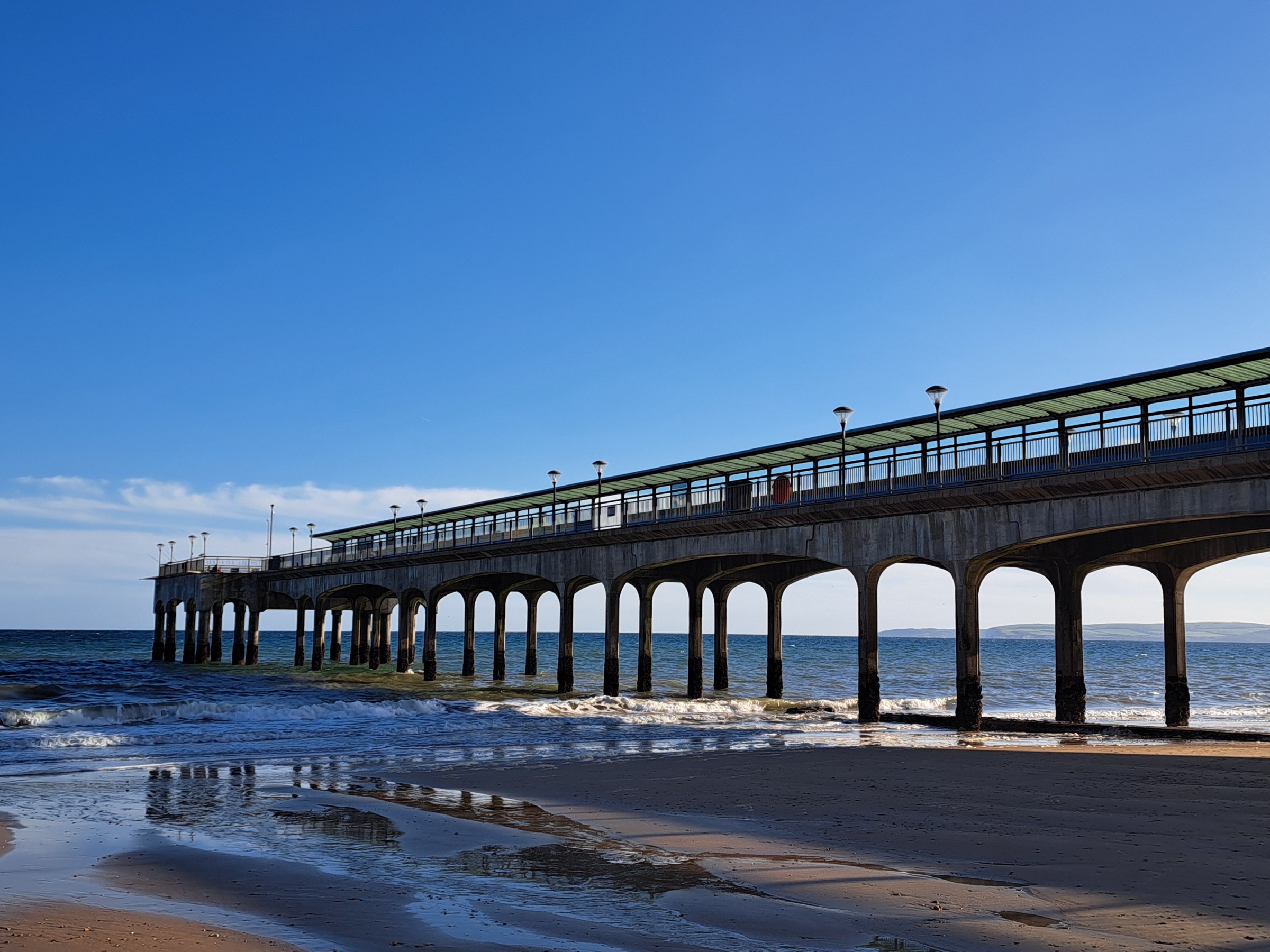
None of the coast path or the nature reserve is off-limits to a dog, though the clifftop grassland around Durlston carries ground-nesting birds through the spring and summer, worth a lead regardless of how settled a dog is elsewhere. Swanage Pier, covered in more detail elsewhere in this collection, sits right at the edge of all of it, one more Victorian survival in a town that’s kept an unusual number of them.
North out of town, the coast path runs the other direction toward Old Harry Rocks, the chalk stacks marking the eastern end of the Jurassic Coast where the same band of chalk that forms the Isle of Wight’s Needles reappears on the mainland. The walk there crosses open downland above Studland, a different landscape entirely to the stone-quarried cliffs south of Swanage, closer to Dorset’s heathland than its coast. It’s the same chalk ridge covered in more detail in our guide to walking in Dorset, which runs the full spine from Corfe Castle out to Durlston.
Where to base yourself
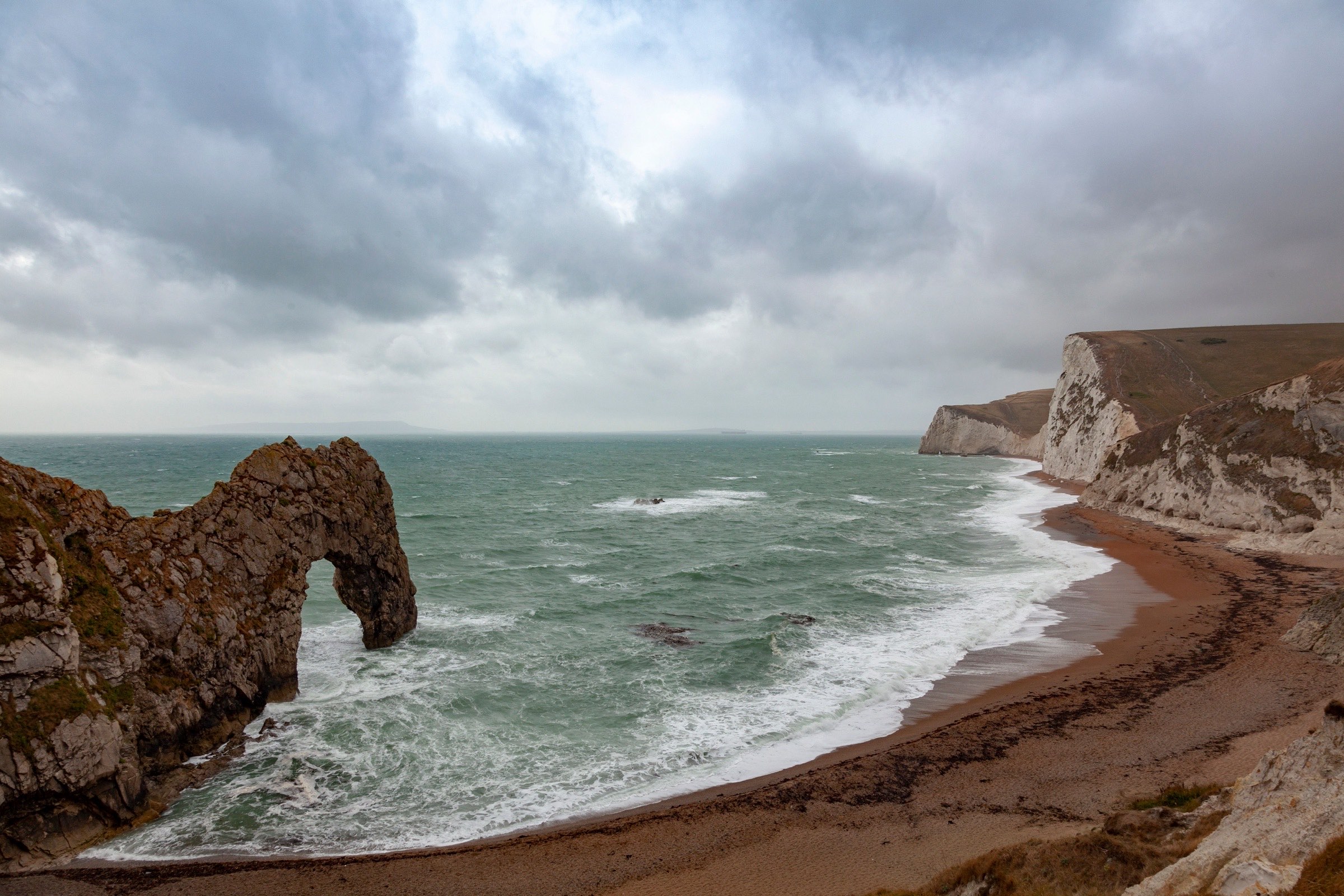
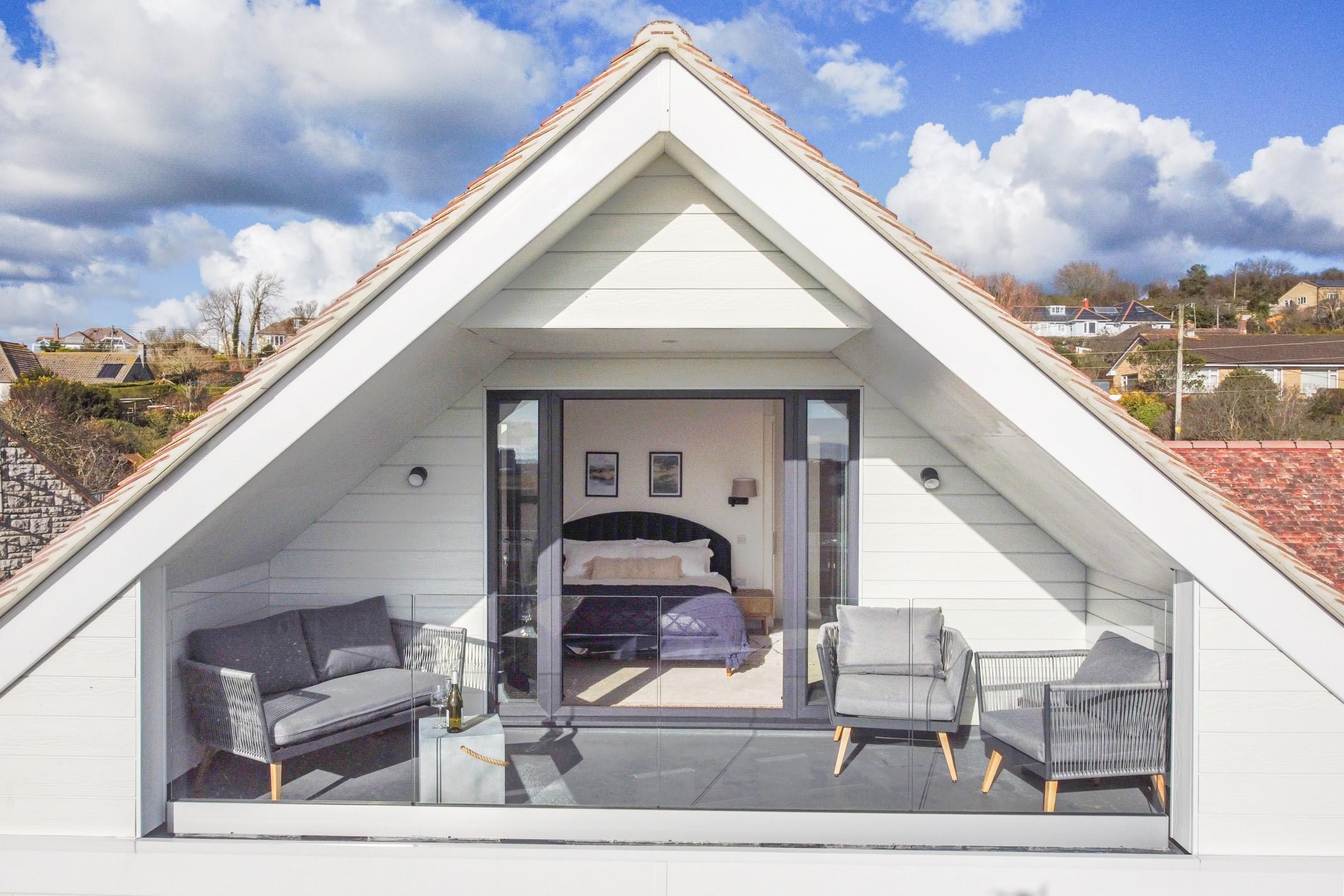
Swanage sits within reach of the wider Dorset collection we curate, close to Lulworth Cove and Durdle Door further along the same Jurassic Coast. A dog gets the quarrying town, the seaside resort it became, and the nature reserve above it, all inside the same short stretch of coast.