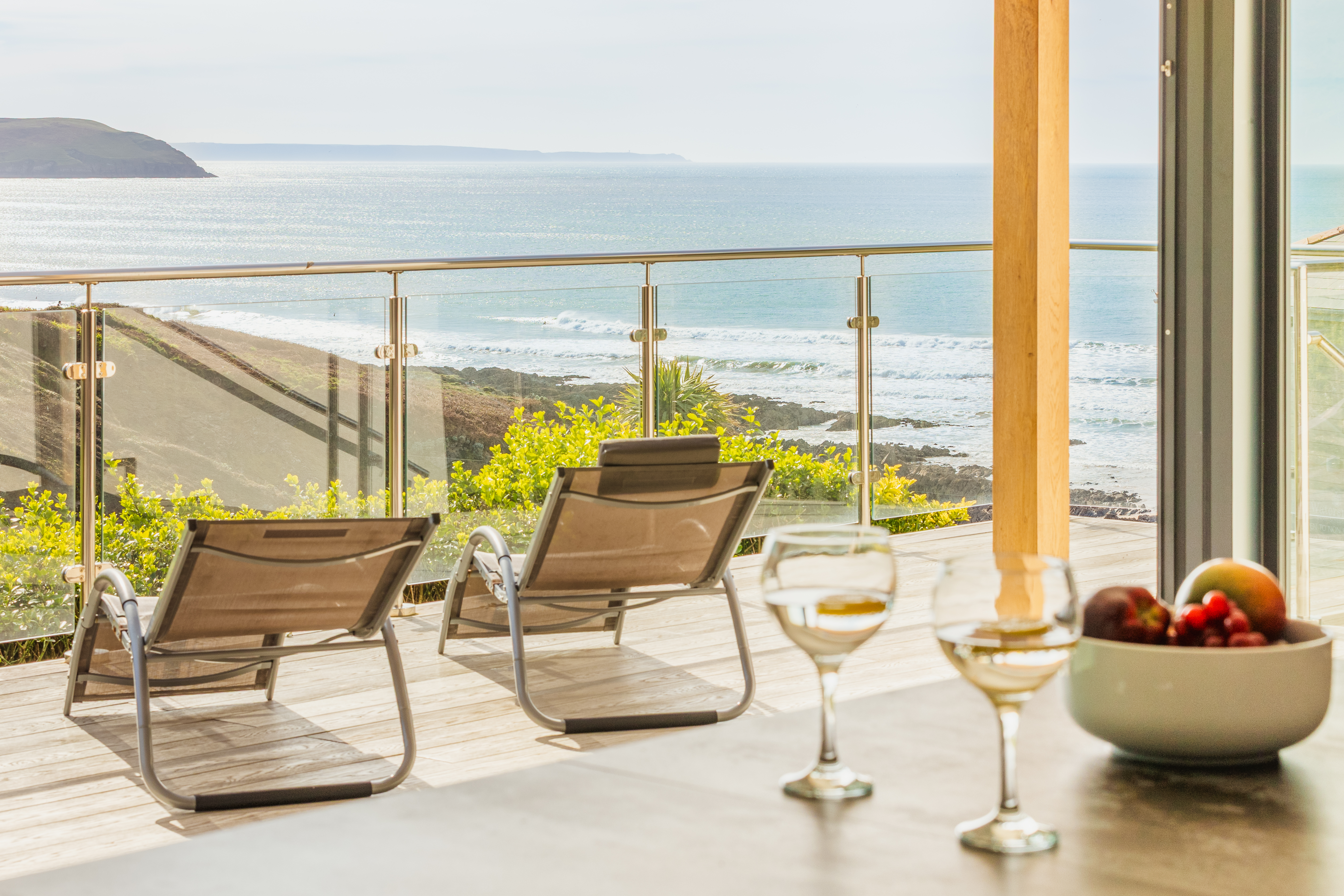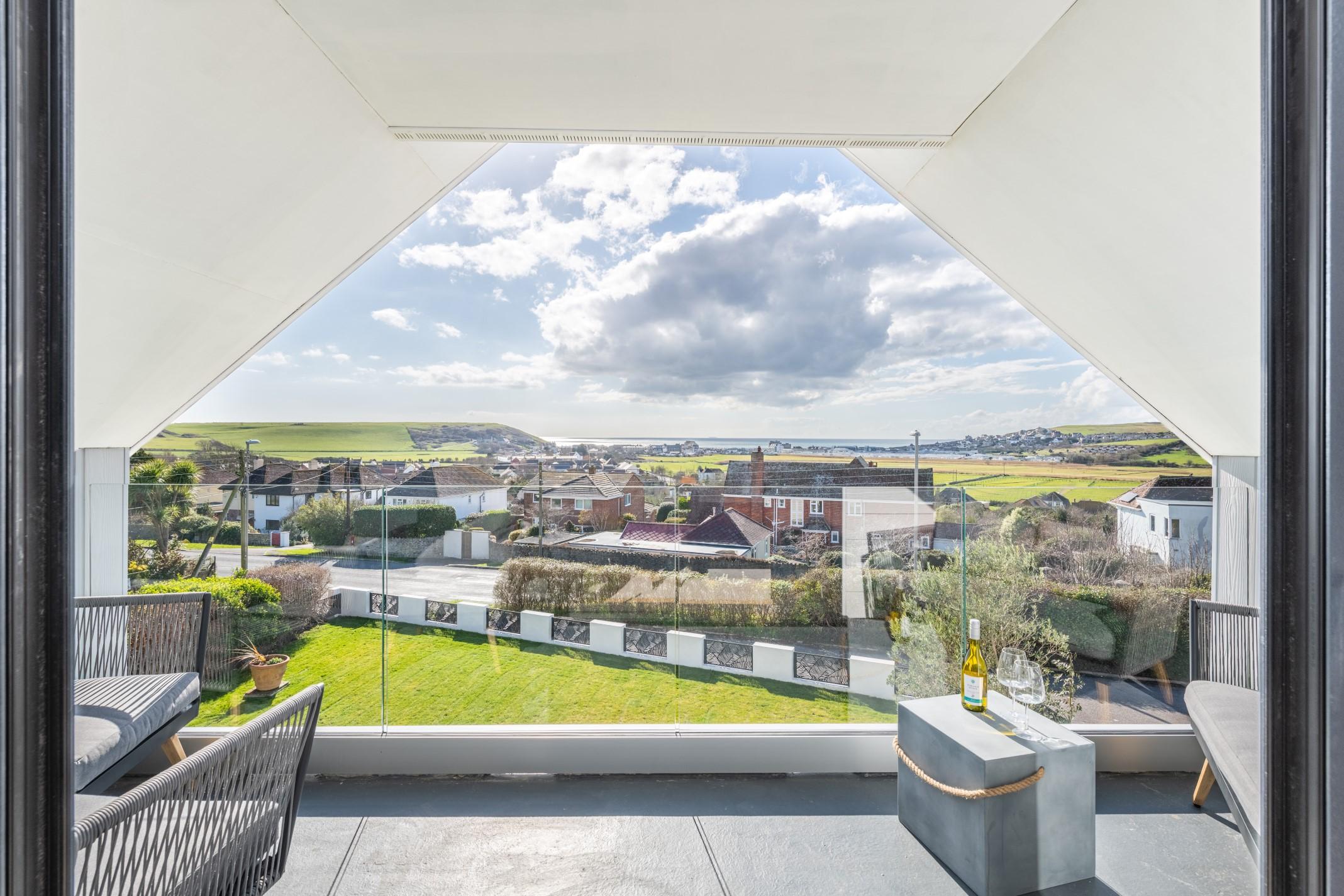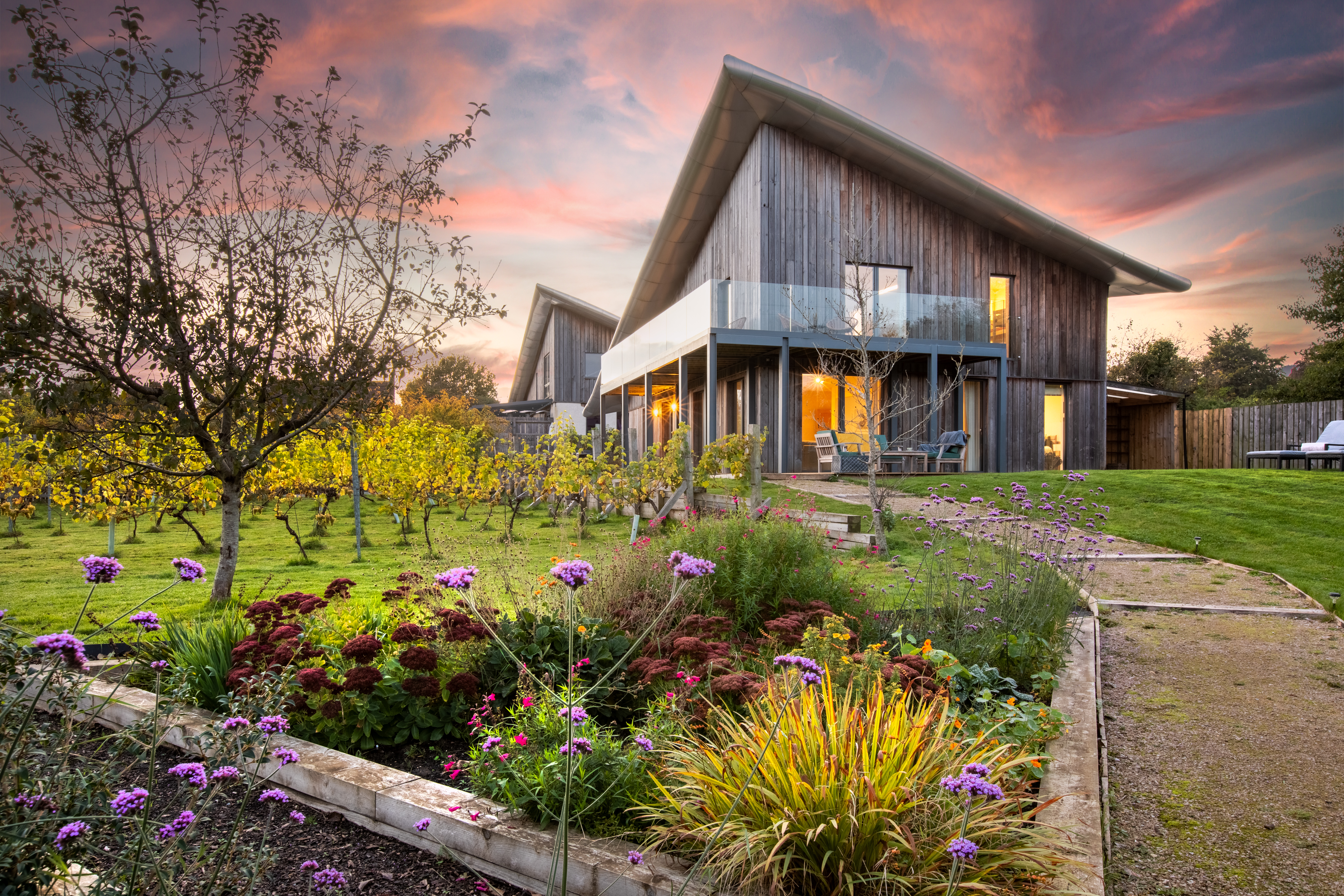
Devon's best dog beaches span both coasts. In the north, Instow and Westward Ho! are reliable year-round choices; Saunton and Croyde have seasonal restrictions on parts of the beach. In the south, Bantham, Beer and Blackpool Sands are all excellent. The rule throughout: check the signs at the car park entrance for each year's restrictions — they can shift slightly from year to year and sometimes apply only to a section of the beach rather than the whole thing.
Devon is the only county in England with two separate Heritage Coastlines — north and south. They feel like different countries. The north coast faces the Atlantic: wide surf beaches backed by dunes, dramatic cliffs, a rawness to the landscape that never quite goes away. The south coast faces the Channel: smaller, quieter coves, sheltered estuaries, water that sits calmer and is noticeably warmer in summer. For dog owners, both coasts reward the visit, though they suit different kinds of dog.
Two coasts, different characters
A dog who relishes space, wind and water will find the north Devon surf beaches — Saunton, Croyde, Woolacombe — among the most exhilarating in England. A dog who prefers exploring rock pools at low tide, walking along a quiet cove, or swimming in calm water will find the south coast better suited: Beer Cove, Blackpool Sands, Bantham. Both coast types have seasonal restrictions on their most popular beaches; both have quieter alternatives that are reliably open year-round.
North Devon: the Taw–Torridge estuary beaches
Instow
Instow is one of the most consistently dog-friendly beaches in Devon. The wide, sandy beach faces south across the Taw–Torridge estuary — sheltered, flat, and backed by the village with a handful of good places to stop for coffee or lunch. Seasonal restrictions apply to part of the beach — check the signs — but dogs are typically welcome on a significant stretch throughout the year, including sections that remain restriction-free even in summer. The estuary views across to Appledore are an unexpected pleasure: the light here in the morning is something worth getting up for.
Appledore and Westward Ho!
The estuary villages of Appledore and Instow sit either side of the Torridge mouth; Westward Ho! — that exclamation mark is official — is the Atlantic-facing beach to the north. Westward Ho! is generally among the more dog-friendly options on the north Devon coast in season, with a long pebble ridge backing a sandy beach. Check the signs for the current year's restrictions; dogs are typically permitted on sections of the beach throughout the year. The village itself is determinedly unfashionable in a way that many dog owners find a relief.
North Devon: the surf beaches
Saunton Sands
Saunton is one of England's finest beaches by any measure: three miles of south-facing sand backed by the Braunton Burrows dune system (a UNESCO Biosphere Reserve). The beach is enormous, which means that seasonal restrictions — which typically apply to sections of the beach between roughly May and September — still leave significant open space for dogs. Check the signs at the car park entrance. Outside the restricted sections and outside the main restriction period, this is an exceptional beach visit: the dune system behind is freely walkable with dogs, and the sense of scale is unlike anything on the south coast.
Croyde and Woolacombe
Croyde is a compact surf village with a beautiful beach that has seasonal restrictions on dogs in the central section. The RNLI patrol area is typically where restrictions apply; dogs are usually welcome at the ends of the beach and at the Baggy Point end of the cove. Check the signs. Croyde is busy in summer and parking is constrained — arriving before 9am is the practical answer.
Woolacombe is larger and offers more space. Barricane Beach, the small cove at the northern end of the Woolacombe bay, is generally open to dogs year-round and is one of the most beautiful small beaches in north Devon — filled with tropical shells carried by the Gulf Stream. Woolacombe main beach has seasonal restrictions; Barricane and the adjacent Combesgate beach tend to be more reliably open.
Barricane Beach at the north end of Woolacombe is sheltered, filled with tropical shells, and generally open to dogs year-round. Most visitors walk straight past it to the main beach.
North Devon: the cliff coves
Between Mortehoe and Ilfracombe, the cliff path drops to several small coves — Rockham Bay, Lee Bay, Sandy Cove — that have no formal restrictions and very few visitors. These are walk-in beaches: there's no road access and the descents are sometimes steep. For a dog owner who doesn't mind earning the beach, they're among the best options on the north Devon coast. The section from Mortehoe is covered in more detail in our South West Coast Path guide.
South Devon
Beer
Beer Cove is a small, steep-shingle beach at the western end of the Jurassic Coast. The village is extraordinarily pretty — white-painted fishermen's cottages above the beach, boats on the shingle — and seasonal restrictions tend to be lighter here than at the larger south Devon beaches. Dogs are typically more welcome at Beer than at many comparable beaches; check the signs for the current year. Beer Beach is a short walk from The Beer Cottage in our collection, which makes it one of the most convenient beach-access properties we have in Devon.
Blackpool Sands
Blackpool Sands is privately managed by the Kelland family, and the beach has seasonal restrictions on dogs that apply for part of the year — check before you visit. Outside the restricted period, it's one of the best beaches on the south coast: a south-facing pinewooded cove with exceptionally clear water and a good café. The management is attentive and the restrictions are clearly signposted.
Bantham
Bantham is a well-kept secret among Devon beaches. The village — which is a single estate — sits above the mouth of the Avon estuary; the beach below is a wide sweep of sand with views across to Burgh Island. Seasonal restrictions apply to part of the beach in summer — check the signs. The tidal estuary beside the beach is often unrestricted and is a superb place for a dog swim. The walk around the headland and along the estuary is outstanding.
Thurlestone
Thurlestone beach — named for the distinctive rock arch visible from the shore — is in the South Devon AONB and has a more relaxed atmosphere than the busier south coast beaches. Seasonal restrictions apply in the main beach area; dogs are typically more welcome on the south end and in the tidal pools. The village is quiet and the walk along the coastal path to Bolt Tail is excellent.
Cottages from our collection

The Estuary House
In Instow village, a short walk from the estuary beach. Views across to Appledore and direct access to one of north Devon's most reliable dog beaches.
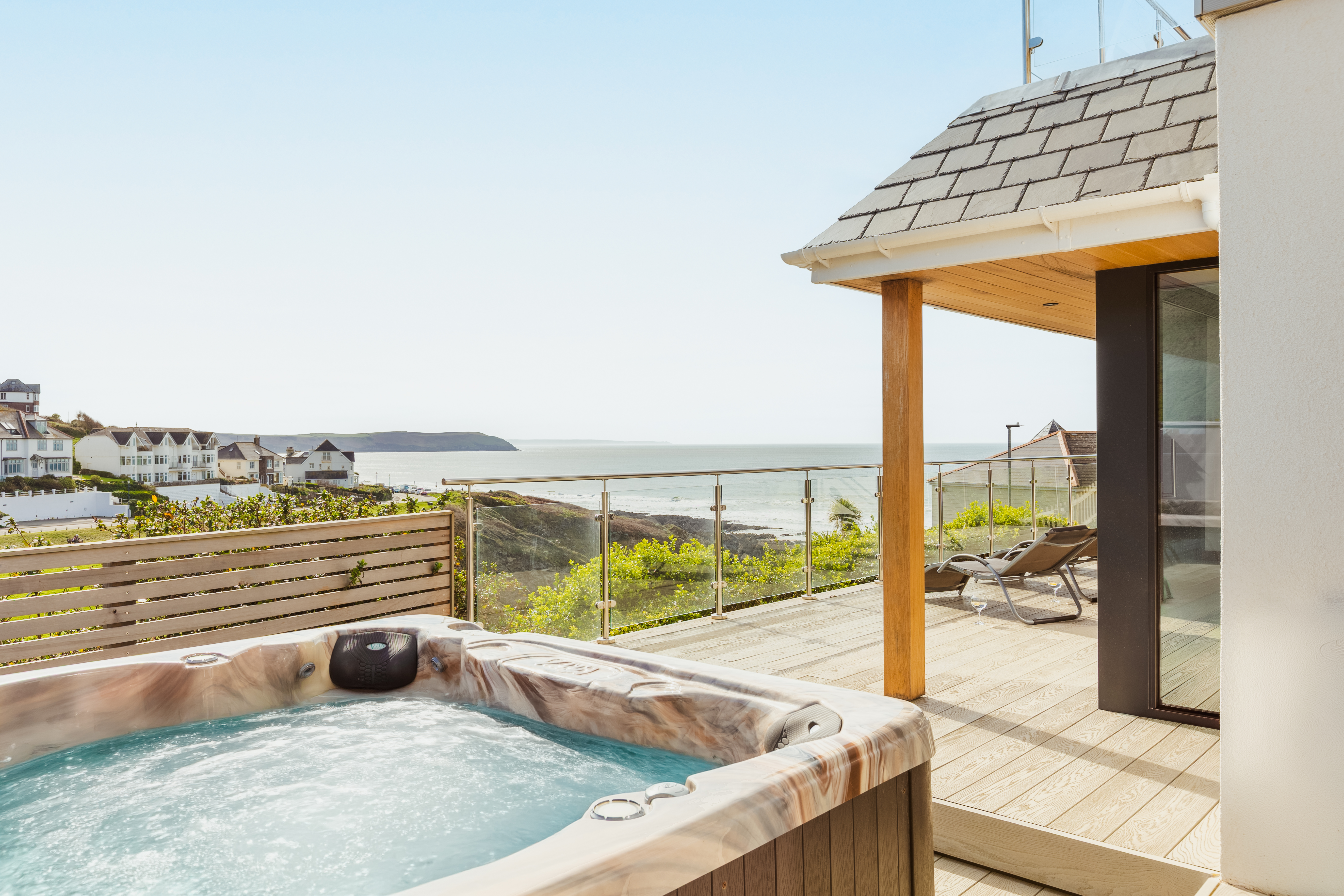
The Mortehoe Clifftop House
Clifftop position above Combesgate and Barricane beaches — the most reliably dog-friendly coves on the Woolacombe coast, a short walk down the cliff path.
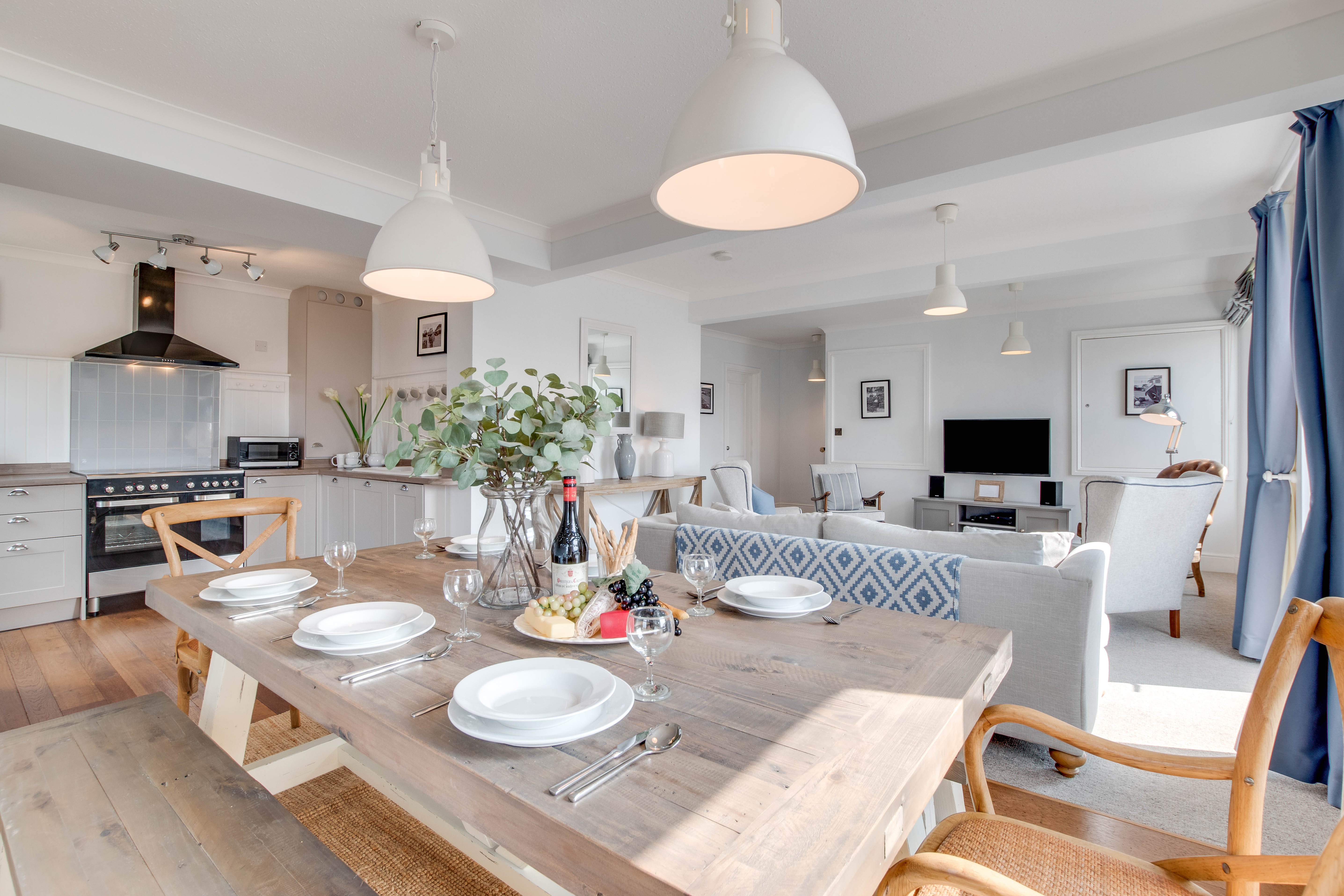
The Beer Cottage
In the village of Beer, a short walk from the cove. One of our most beach-convenient properties in South Devon.
Practical notes for a Devon beach day
North vs south in summer. The north Devon surf beaches are spectacular but can be very busy on fine July and August days. If you're visiting in peak season with a dog, the south coast's smaller coves — or the estuary beaches around Instow — tend to offer more space and a more relaxed atmosphere.
Low tide is transformational. Many Devon beaches — particularly in the south — have significant tidal ranges. At low tide, beach areas that are restricted or simply invisible at high water open up considerably. Checking tide times before you set out is worth doing.
Early mornings. The single most effective strategy for a beach visit with a dog in Devon's peak season is getting there before 9am. The beaches are largely empty, seasonal restrictions often lift during early morning hours, and the light is better. This applies on both coasts.
Check the signs each year. Seasonal beach restrictions in Devon are set by different bodies — North Devon Council, South Hams District Council, private landowners — and can vary slightly from year to year. The authoritative source is always the sign at the beach entrance for the current season.
For a broader picture of what Devon offers with a dog — walks, day trips, places to eat — our Devon guide covers the full county. For the coast path connections between Devon's best beaches, see our South West Coast Path guide. And for how the seaside dog holiday became a thing in the first place, see our short history of the British seaside holiday.