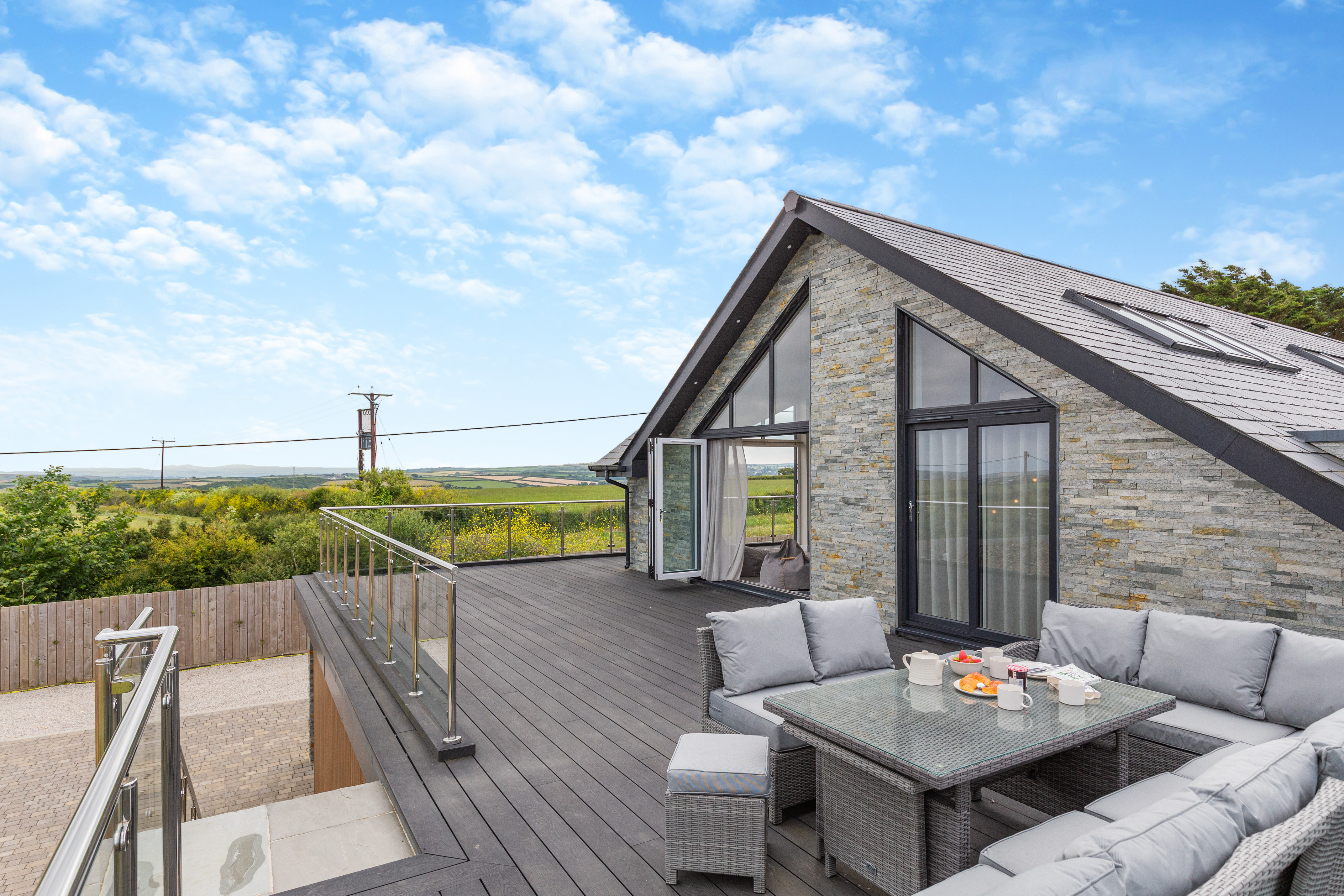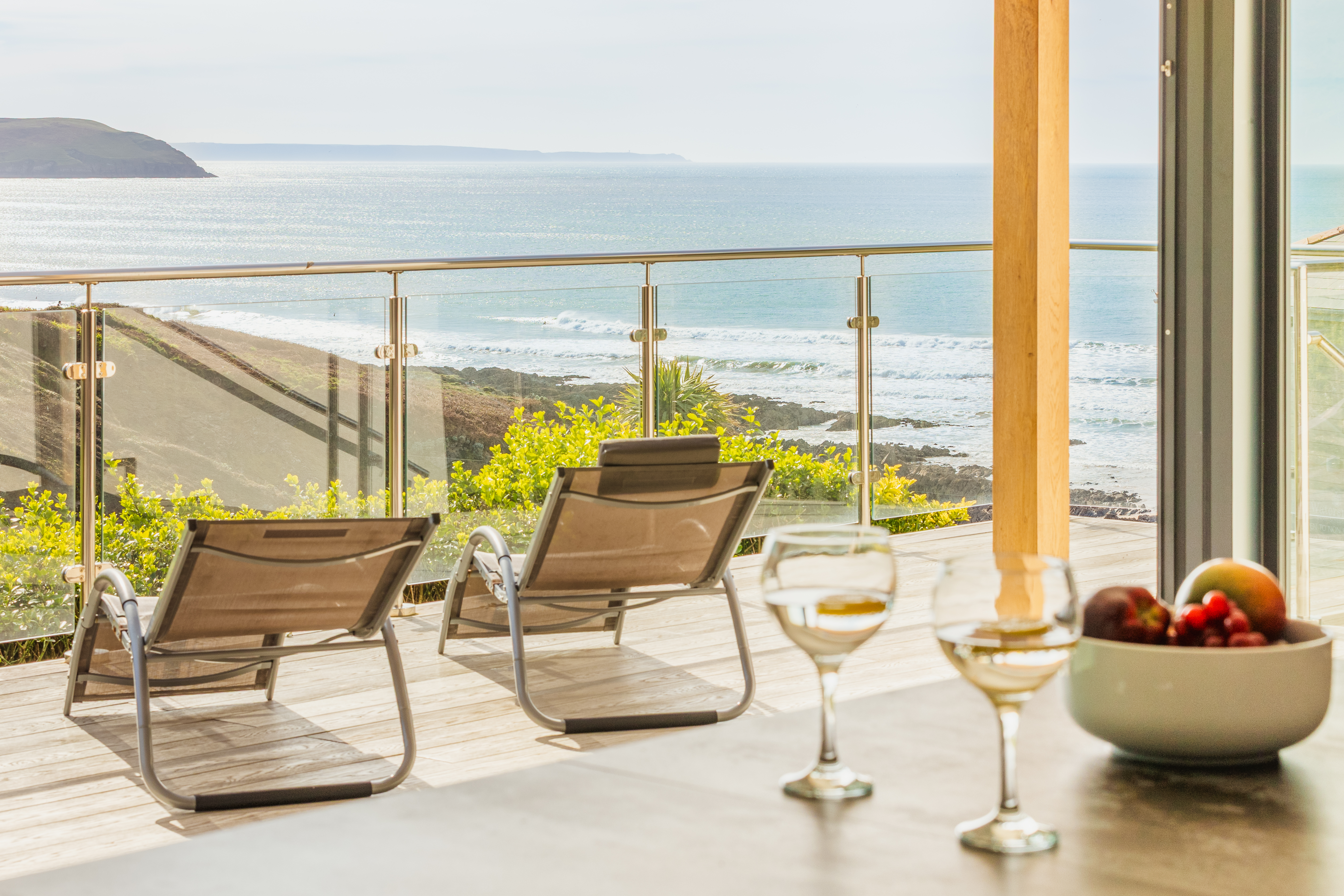
The South West Coast Path is entirely dog-friendly in principle — it's a public right of way for its full length. In practice, livestock on farmland sections mean dogs must be on leads through most grazed areas, and the terrain ranges from flat coastal track to serious cliff ascent. The path's highlights — the Lizard, the North Devon coast, Dorset's Jurassic section — are among the finest walking in England. A dog who can handle varied terrain and is reliable on a lead around sheep will thrive here.
The South West Coast Path was established as a continuous National Trail in 1978, following routes that were originally walked by coastguard officers checking for smugglers along the cliff tops, a history covered in more detail in our short history of why the coast path exists. It runs from Minehead in Somerset, around the entirety of Cornwall and Devon, and along the Dorset coast to the harbour mouth at Poole — 630 miles in total, with around 35,000 metres of ascent (roughly four times the height of Everest).
The reason this matters for dog owners is that the path is a public right of way for its entire length. There is no section where dogs are prohibited. The complications arise not from the path itself but from what it crosses — principally livestock fields, where dogs must be kept on leads, and seasonal beach access restrictions where the path descends to the shore.
The basics for dog owners
Three things shape the SWCP experience for a dog owner more than anything else: the livestock situation, the terrain, and how you plan the overnight stops.
Livestock. The path crosses a large amount of working farmland, particularly in Devon and Cornwall. Sections through grazed fields are marked and dogs must be on leads. The cliff-top sections and open headlands — which are the most dramatic parts of the path — are almost always lead-free territory. The livestock sections are usually short and clearly signposted; most experienced coast path walkers take them in their stride.
Terrain. The SWCP is significantly harder than most people expect. The cumulative ascent is enormous. A full through-walk over 6–8 weeks involves an average of around 1,000 metres of ascent per day. Section walking is more forgiving. Flat, dog-friendly coastal tracks exist (particularly in east Cornwall and north Devon), but the dramatic sections involve real climbing. If your dog struggles with sustained hill work, choose the flatter sections.
Overnight logistics. Through-walking the path with a dog requires dog-friendly accommodation at reasonable intervals — typically 12–18 miles apart. There is sufficient dog-friendly B&B and self-catering provision along the path, but this needs booking well ahead in the main walking season (April to September). Section walking from a fixed cottage base avoids this complexity entirely and is how most people do it with a dog.
Cornwall: the best sections for dogs
The Lizard Peninsula
The Lizard is one of the most distinctive landscapes on the entire path. The serpentine rock formations give the coastline a strange, greenish-black character; the headlands are dramatic and largely open; and Kynance Cove (reached by a descent from the cliff path) is one of the most beautiful coves in Cornwall. The path around the Lizard head is excellent for dogs: mostly open, few livestock sections, and the kind of views that justify making the trip to the far south-west.
North Cornwall: Padstow to Tintagel
The north Cornwall coast path between Padstow and Tintagel is some of the most photographed walking in England for a reason. The cliffs here are dramatic, the path is well-maintained, and the villages — Port Isaac, Trebarwith Strand, Boscastle — are good stops for refreshment. Our Camel Trail guide covers the inland alternative, which many people combine with a section of the coast path for a longer loop. Properties along the north Cornwall coast are covered in our Cornwall guide.
Cape Cornwall and the far west
The Land's End to St Ives section, and particularly the stretch around Cape Cornwall, combines dramatic cliff scenery with a sense of reaching somewhere genuinely remote. The path west of St Just is quieter than the main tourist areas; the coast around Sennen and the Pendeen Watch lighthouse section feels properly wild. Dogs are at home here.
Devon: north and south
North Devon: Hartland to Woolacombe
The North Devon coast path — from Hartland Point south-west of Bideford down to Woolacombe — is regularly cited as the toughest section of the entire SWCP, and also among the most spectacular. The cliffs here are among the highest on the path; the folded rock strata at Hartland are extraordinary; and the section is far less-walked than south Cornwall or the Lizard, which means the sense of solitude is remarkable. Dogs and their owners who can handle serious terrain will find this section deeply rewarding.
Hartland Quay to Bude is one of the most physically demanding day walks in England. It is also, in the right conditions, one of the finest.
Mortehoe and the section north of Woolacombe offers one of the best views on the path — the point above Morte Point looking south to Baggy Point, north to Lundy Island on clear days. The Mortehoe Clifftop House is placed directly above this section, with the coast path accessible from the door.
South Devon: Salcombe and the Dart estuary
The south Devon coast path from Salcombe to Dartmouth crosses the mouths of several river estuaries, requiring ferry crossings at Salcombe, Kingsbridge and the Dart. All ferries allow dogs. The walking between crossings is varied and beautiful — sandy coves, wooded estuary edges, open headlands. It's a more gentle version of the path than north Devon or north Cornwall, and proportionally more suitable for dogs who find sustained climbing difficult.
Dorset: the Jurassic section
The Dorset section of the SWCP covers some of the most geologically dramatic coast in England. The path runs east from the Devon border at Lyme Regis, past Charmouth, up to Golden Cap (the path's highest point at 191 metres), through West Bay and Weymouth, past Lulworth Cove and Durdle Door, around the Purbecks to Studland Bay, and ends at the chain ferry across the mouth of Poole Harbour.
Golden Cap is a landmark moment — the ascent from the west (from Seatown or Charmouth) is significant, but the views from the top reach across to Dartmoor on clear days. The Purbeck section from Kimmeridge to Old Harry Rocks is exceptional: open chalk cliff, enormous views, and very few other walkers even in summer. This is covered in more detail in our Dorset walks guide.
Livestock on the path: what to expect
Livestock is the main practical consideration for dog owners on the SWCP. The general principle: if the path crosses a field with livestock in it, your dog goes on the lead. This is both a legal requirement under the Wildlife and Countryside Act and straightforward common sense.
The rules that matter on the coast path
-
Lead through all grazed fields Even if the field appears empty, livestock may be present or the land may be managed for them. The signs are usually clear.
-
Cows with calves require extra care This is the situation that causes the most incidents on the SWCP. If a herd with calves is blocking the path, a wide detour is the right choice.
-
If cattle charge, let the lead go This is the guidance from all countryside organisations. Your dog can run faster than you. Release the lead and step aside.
-
Open cliff sections: leads your choice The open headland sections away from farmland are at your discretion. Most people let their dogs run free here.
Planning a dog-friendly SWCP trip
The most practical approach for a dog owner who isn't through-walking is to choose a section, book a cottage within reasonable driving distance of both ends, and walk the section over two or three days with a car shuttle. This removes the accommodation complexity of through-walking and allows you to choose sections that suit your dog's fitness level.
Shuttle logistics. Two cars and two people is the cleanest approach: one car at each end. Alternatively, many sections have bus connections (the coast path is specifically served by a number of summer bus services) that allow you to walk one way and return by road.
Section length. A reasonable day on the SWCP with a dog is around 10–14 miles, depending on the terrain. The north Devon and north Cornwall sections involve more ascent per mile and should be planned shorter; the flatter sections of east Cornwall and the Dorset coast can be stretched further.
Water. The open headland sections have limited water sources. Carry water for your dog, particularly on the drier sections in east Cornwall and Dorset.
Cottages along the path
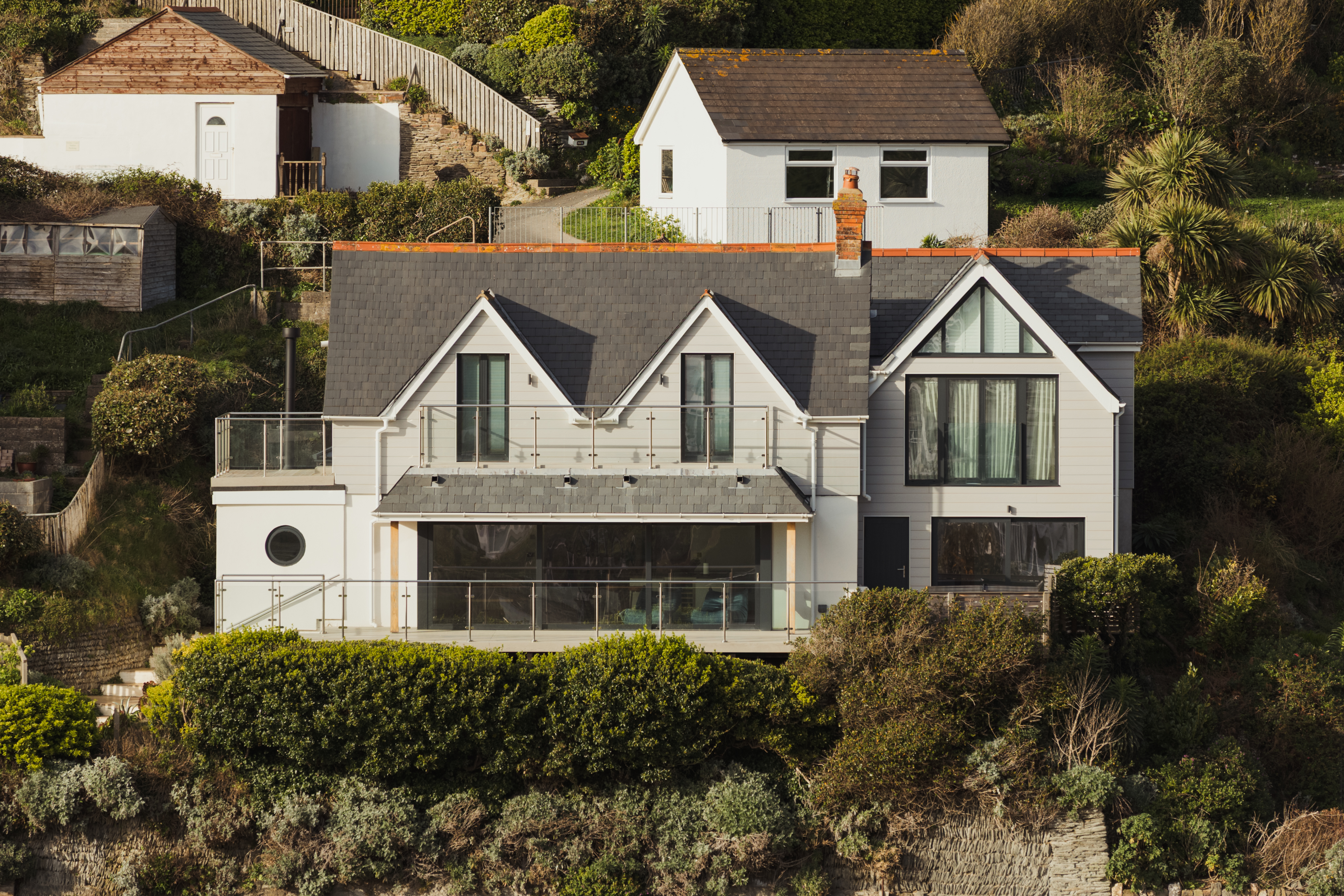
The Mortehoe Clifftop House
Coast path access directly from the property. One of the finest positions on the entire North Devon SWCP section.

The Bridport House
Clifftop position above West Bay, a short walk from the coast path. Within range of Golden Cap and the western Jurassic Coast section.
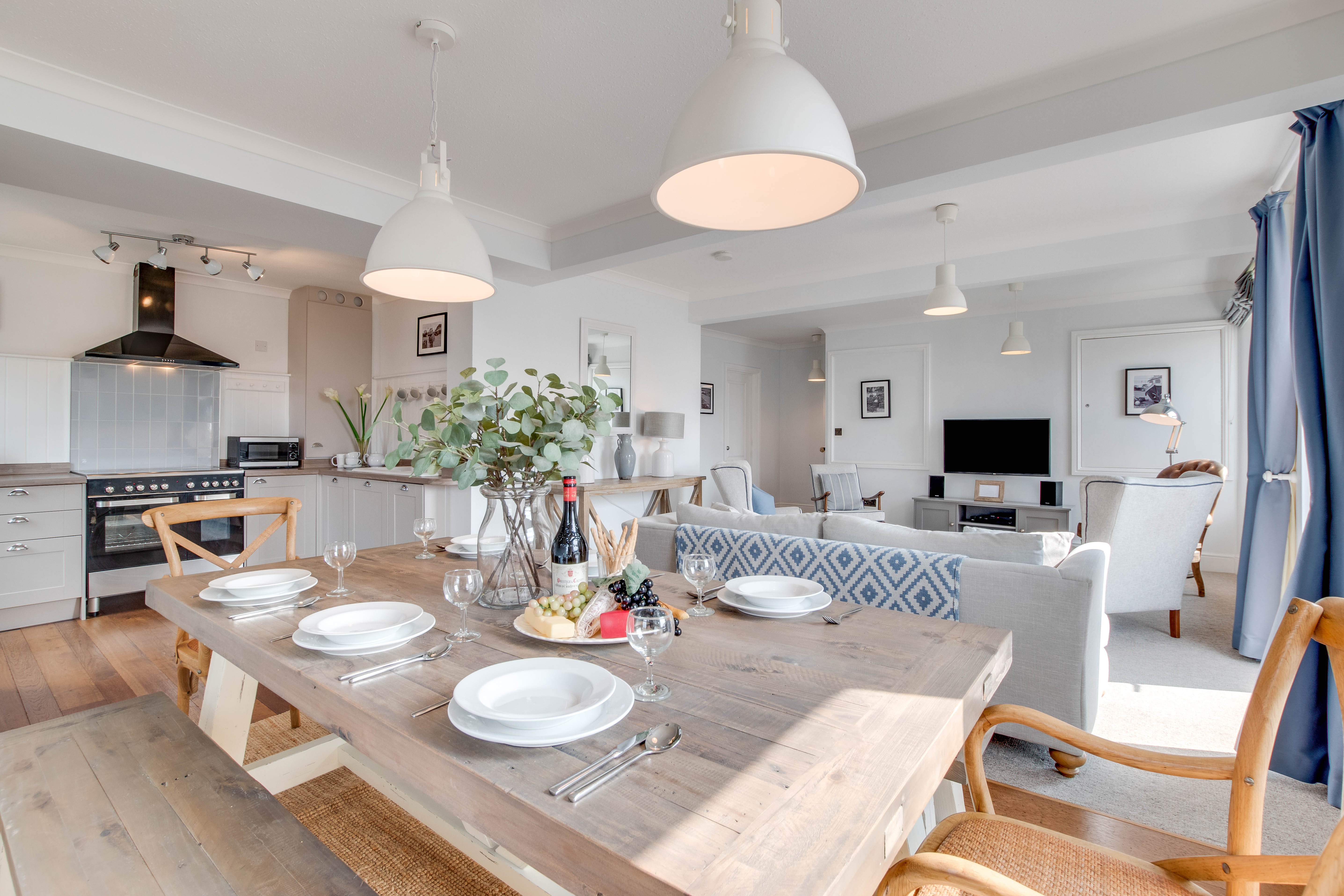
The Beer Cottage
In the village of Beer on the south Devon coast, close to the SWCP section between Seaton and Sidmouth — a less-walked stretch worth discovering.
Section walking vs through-walking: which suits a dog?
Through-walking the South West Coast Path — the whole 630 miles in a continuous journey — takes most walkers six to eight weeks. It's physically demanding, logistically complex, and requires serious fitness from both walker and dog. For a dog over seven years old, or for any dog with joint issues, the sustained daily mileage of a through-walk is likely too much.
Section walking is the answer for most dog owners: choose a stretch of 30–60 miles, spend a week walking it from a fixed cottage base with shuttle support, and return in subsequent years for other sections. The SWCP in sections over several years gives you everything a through-walk gives you, at a pace that works for a dog who is a real participant rather than a passenger.
Our Cornwall, Devon and Dorset guides cover the wider regions around each section of the path, with notes on dog-friendly bases and what to do on rest days.