The trouble with most lists of Lakeland dog walks is that they treat every dog as the same dog. They are not. A three-year-old spaniel and a twelve-year-old terrier want entirely different days out, and the fell that delights one will defeat the other. So rather than another ranking of the same ten routes, here is a sorting of them — by the dog you are actually walking.
A word first on what makes a Lakeland walk hard for a dog, because it is rarely the thing people expect. It is seldom the distance. It is the obstacles: ladder stiles a big dog cannot climb and a small one cannot be lifted over easily; loose scree and sharp rock that wears paws raw over a long day; sustained steep descents that punish older joints; and exposed tops with no water and no shade. Read a route for those, not just the mileage, and you will choose well.
For the older or shorter-legged dog
The walks that suit a dog past its athletic prime are the level, well-surfaced, stile-free ones — and the Lakes has more of them than its mountainous reputation suggests. Tarn Hows is the obvious one: a two-mile loop on a wide, smooth, near-flat path around a postcard tarn, with parking at the start and no obstacle worth the name. Buttermere goes one better — its four-and-a-half-mile lake circuit includes a Miles Without Stiles section, the National Park’s designation for routes navigable without climbing anything, which matters as much for a stiff old dog as it does for a wheelchair. The Derwentwater and Grasmere shore paths are cut from the same easy cloth.
For the dog who lives to swim
If your dog measures a walk by how much water it contains, point yourself at the tarns rather than the summits. Easedale Tarn, reached by a steady climb from Grasmere past the Sour Milk Gill falls, is a fine swimming tarn at the top of an honest walk. Rydal Water, just outside Ambleside, pairs lake swimming with the small adventure of Rydal Cave, and stays low and gentle throughout. The lake shores — Derwentwater especially — give a dog water on one side and an easy path on the other for as long as you both want it.
For the fit dog and the willing owner
A dog in its prime, with an owner to match, can take on the smaller fells without much trouble — the trick is choosing ones with good paths rather than scree. Loughrigg Fell, above Ambleside, is the model: a proper summit with a panorama over Windermere and the Langdales, reached on decent paths with several routes up, none of them brutal. Orrest Head delivers an outsized view for twenty minutes’ effort on a made path — the walk that famously started Wainwright off. Both are real hills with real rewards, and neither will leave a sound dog footsore.
The walks to think twice about
Some celebrated routes are simply not good dog walks, and it is worth saying so. The high, rocky scrambles — the kind that involve hands as well as feet — are no place for a dog: the rock shreds pads, the drops are real, and a dog cannot be talked through an awkward step. Long ridge days with no water are miserable for a dog in warm weather. And anything with a string of ladder stiles will have you hauling a reluctant animal over rung after rung. None of this means staying low forever; it means matching the route to the dog in front of you, which is the whole point.
Where this leaves you
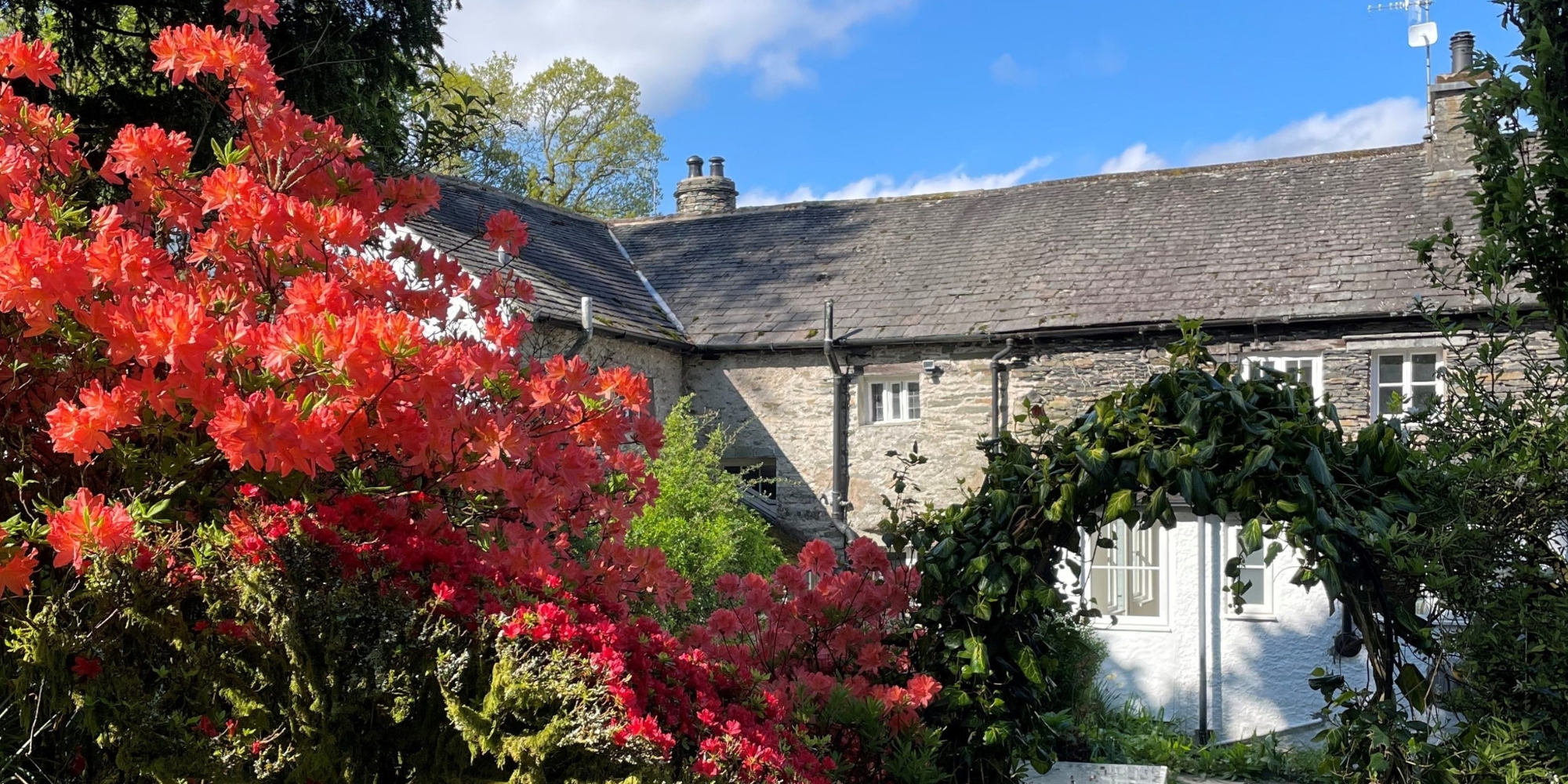
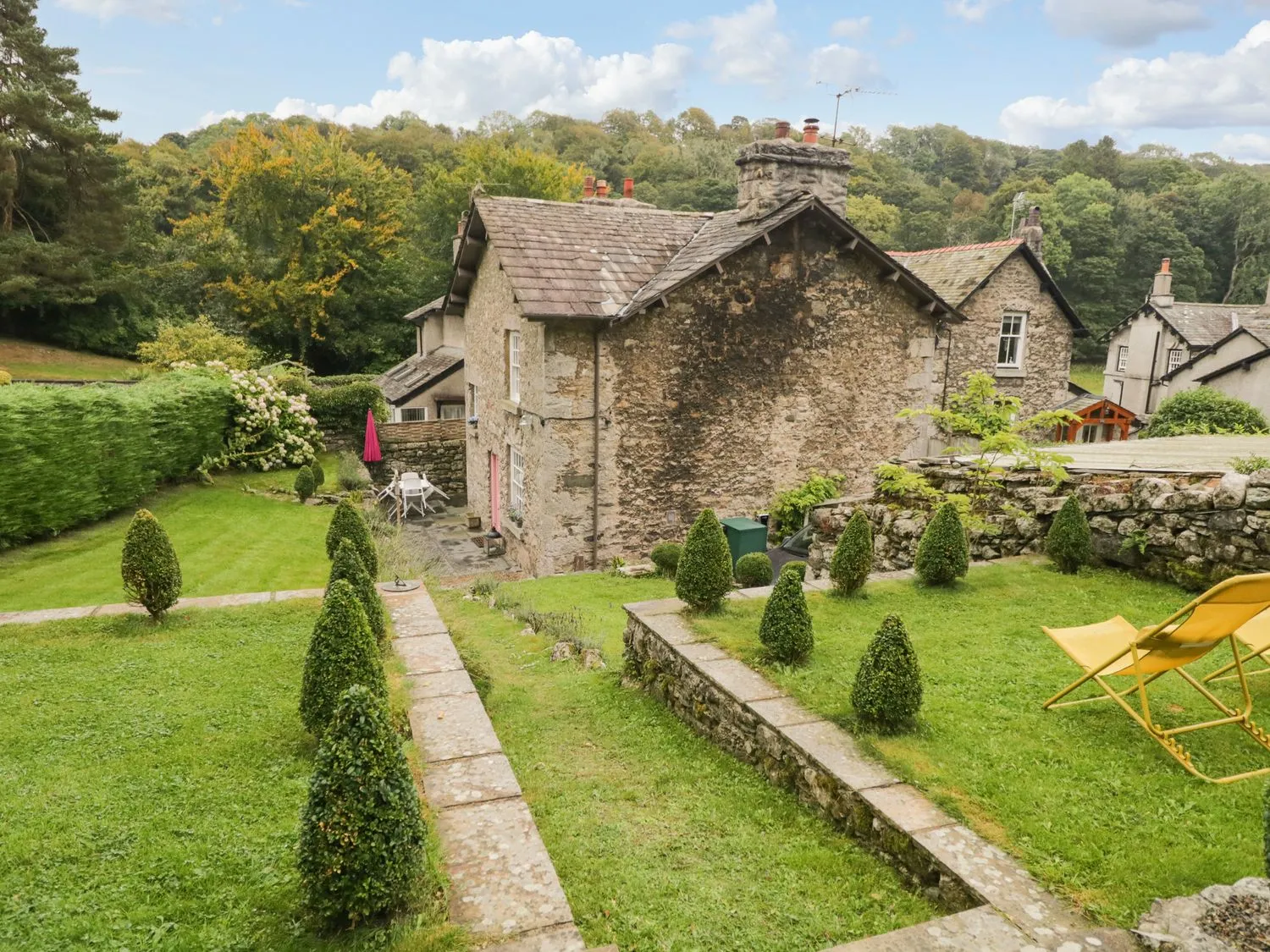
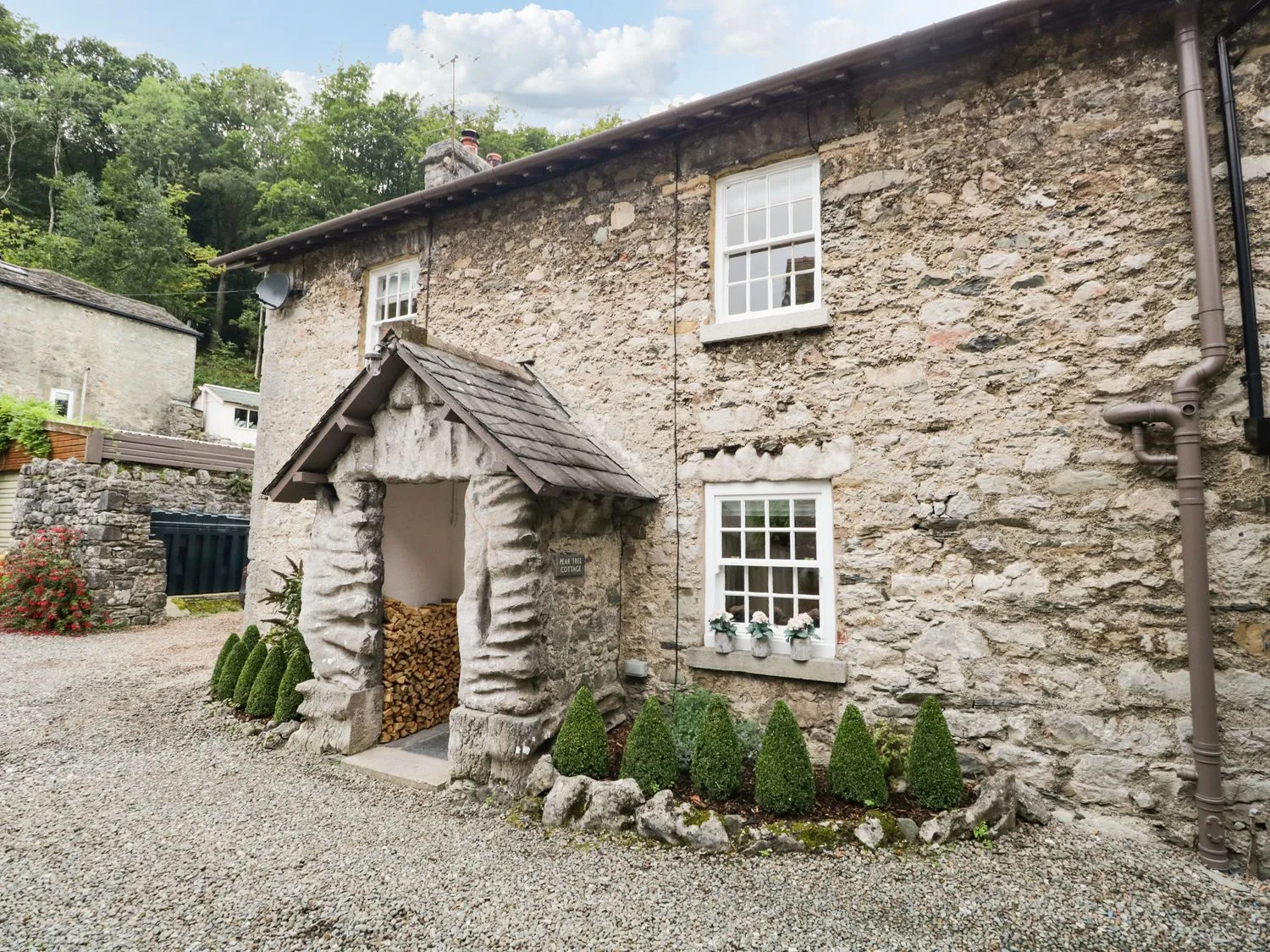
Our two places in the Lakes sit at the two ends of this. The Cartmel Cottage, on the gentler southern edge near Grange-over-Sands, is well placed for the level limestone-and-estuary walks that suit an older dog — the softer side of the national park. Skelwith Fold, near Ambleside, puts the central fells — Loughrigg, Rydal, the Langdale approaches — within easy reach for a dog with more in the tank.
For both, and a short guide to the area, see our dog-friendly Lake District collection. And if your dog is a keen swimmer, our guide to whether dogs can swim in the lakes is worth reading before you go.