People plan a Cornwall dog holiday around a postcard — a particular beach, a town they have heard of — and only realise once they arrive that they have picked the wrong coast for their dog. It is the most common, and most avoidable, misstep. Cornwall has two coastlines, they behave nothing alike, and the right one depends entirely on the dog standing next to you.
It helps to understand why the two coasts are so different. The north and west coast faces the open Atlantic, which means surf, swell, big tidal beaches and dramatic weather rolling in off three thousand miles of ocean. The south coast, sheltered from those prevailing winds, is gentler — calmer water, wooded creeks, smaller coves, and a softer, slower feel. Neither is better. They simply suit different dogs, and knowing which is yours before you book is the difference between a relaxed week and a fraught one.
The wild north — for the dog who wants to run
If your dog is young, high-energy and happiest at full tilt, the north coast is made for them. The beaches here are enormous — vast tidal flats at places like Hayle and Daymer Bay where a dog can sprint flat-out and still be a long way from anything — backed by dunes made for snuffling and exploring. The scenery is the dramatic Cornwall of the imagination: cliffs, rollers, sunsets over the water.
But the same Atlantic that makes the north spectacular also makes it the coast to respect. Many north-coast beaches have strong rip currents and are not safe for swimming, particularly at low tide; some, like Loe Bar near Porthleven, carry an outright no-swimming warning because of how dangerous the water is. If your dog is a committed sea-swimmer who will launch in regardless, the north is not the easy choice it looks — a dog caught in a rip is in as much trouble as a person. The north suits a dog who wants to run on sand more than one who wants to swim in surf.
A couple of north-coast specifics worth knowing: adders live in the dunes of some north-coast beaches and are active from roughly April to September, so it is worth keeping a dog out of the long marram grass in the warmer months; and the big tides here come in fast, so check a tide table and give yourself room.
The sheltered south — for the swimmer, the older dog, the nervous one
The south coast is the gentler proposition, and for a lot of dogs it is the better one. The water is calmer and more sheltered, which makes it far better for a dog who loves to swim — the still coves around the Roseland and the Helford, or the sheltered sands near Falmouth, let a dog paddle and swim without fighting surf. The coves are smaller and more contained, which suits an older dog who no longer wants a route march, or a nervous or reactive dog who settles more easily somewhere enclosed and quiet than on a vast, busy, open beach.
The south is not entirely without hazard — a few spots, like parts of the Lizard coast around Porthleven, have currents that are simply too dangerous for swimming, and some river-mouth beaches have strong estuary currents — but in general it is the more forgiving water. It is also, as a rule, quieter than the famous north-coast honeypots, which matters more than people expect when you are travelling with a dog who finds crowds stressful.
A quick way to decide
Strip it back and it comes down to your dog. A young, bouncy dog who lives to run: the north, for the big open sands. A keen swimmer: the south, for the calmer water — or a sheltered north-coast estuary like Daymer Bay, which gives the space of the north with gentler water. An older dog, or a nervous or reactive one: the south, for the smaller, quieter, more contained coves. A dog who wants a bit of everything: base yourself near St Ives, which sits on the north coast but enjoys unusually sheltered, swimmable water — one of the genuine exceptions to the rule.
And a note that cuts across both coasts: whichever you choose, the summer dog bans on the busier beaches lift from October to Easter, so an off-season trip opens up beaches on both coasts that are restricted in high summer. The quietest, most dog-friendly Cornwall is the one most people never see.
Where to stay on each coast
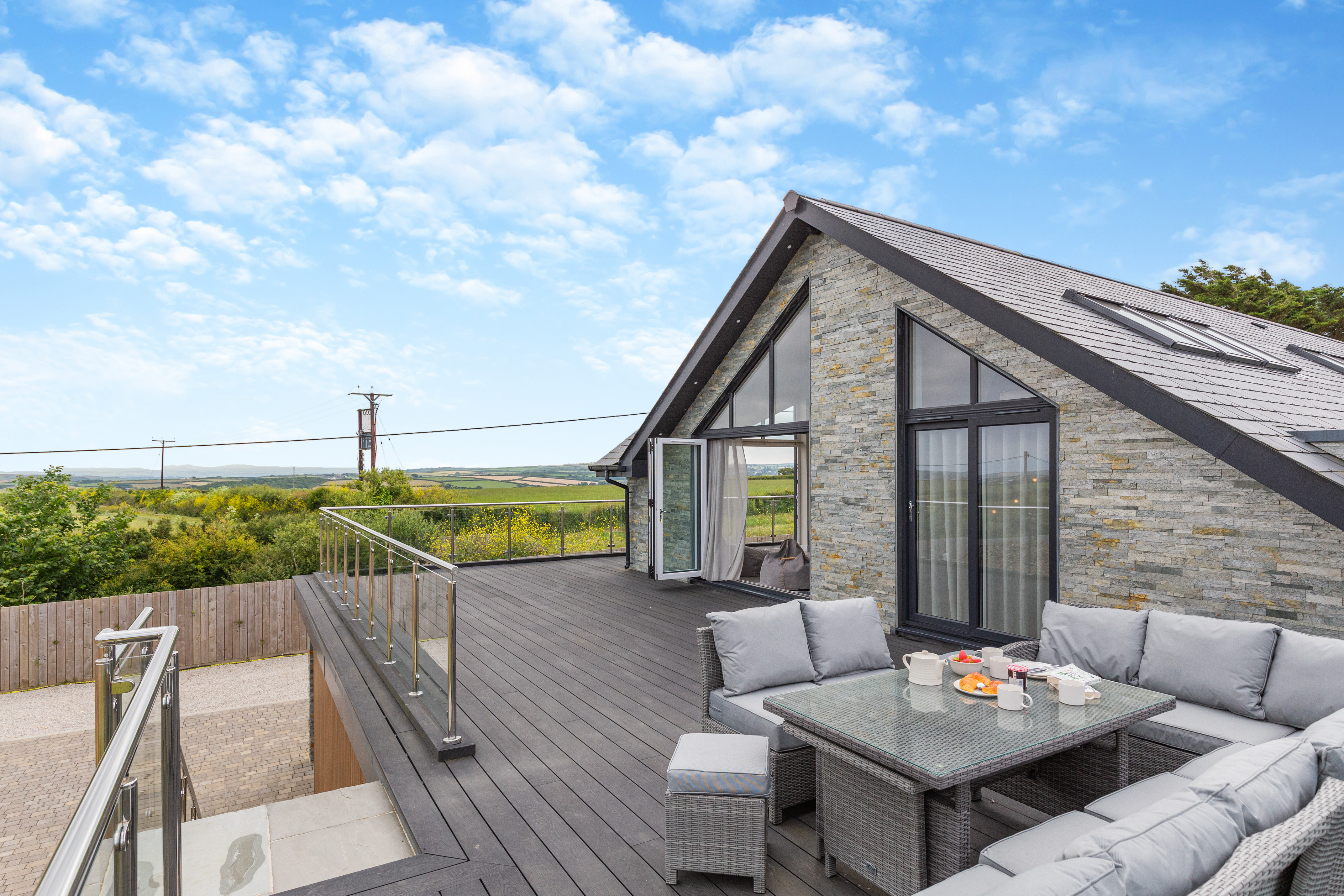
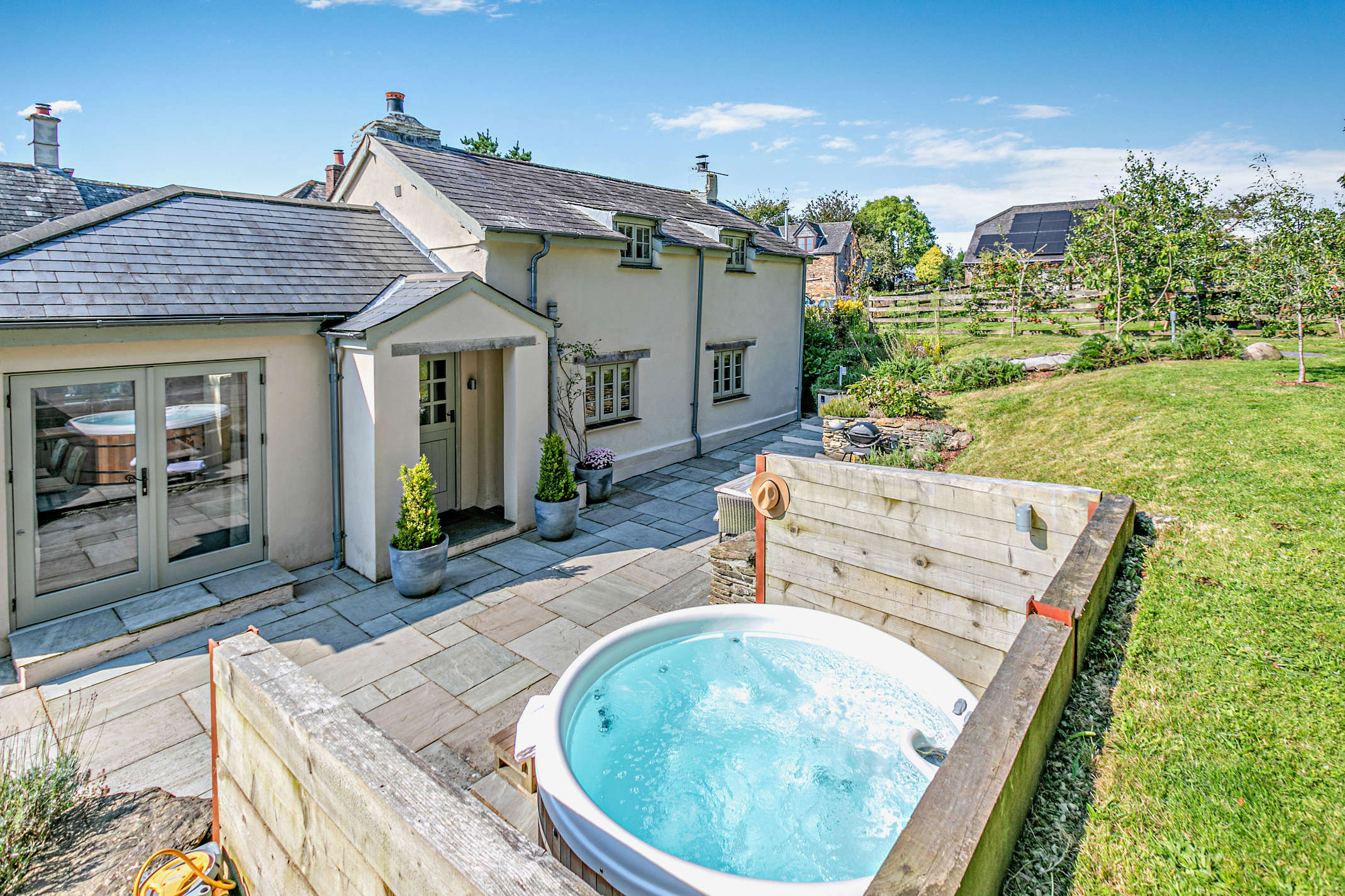
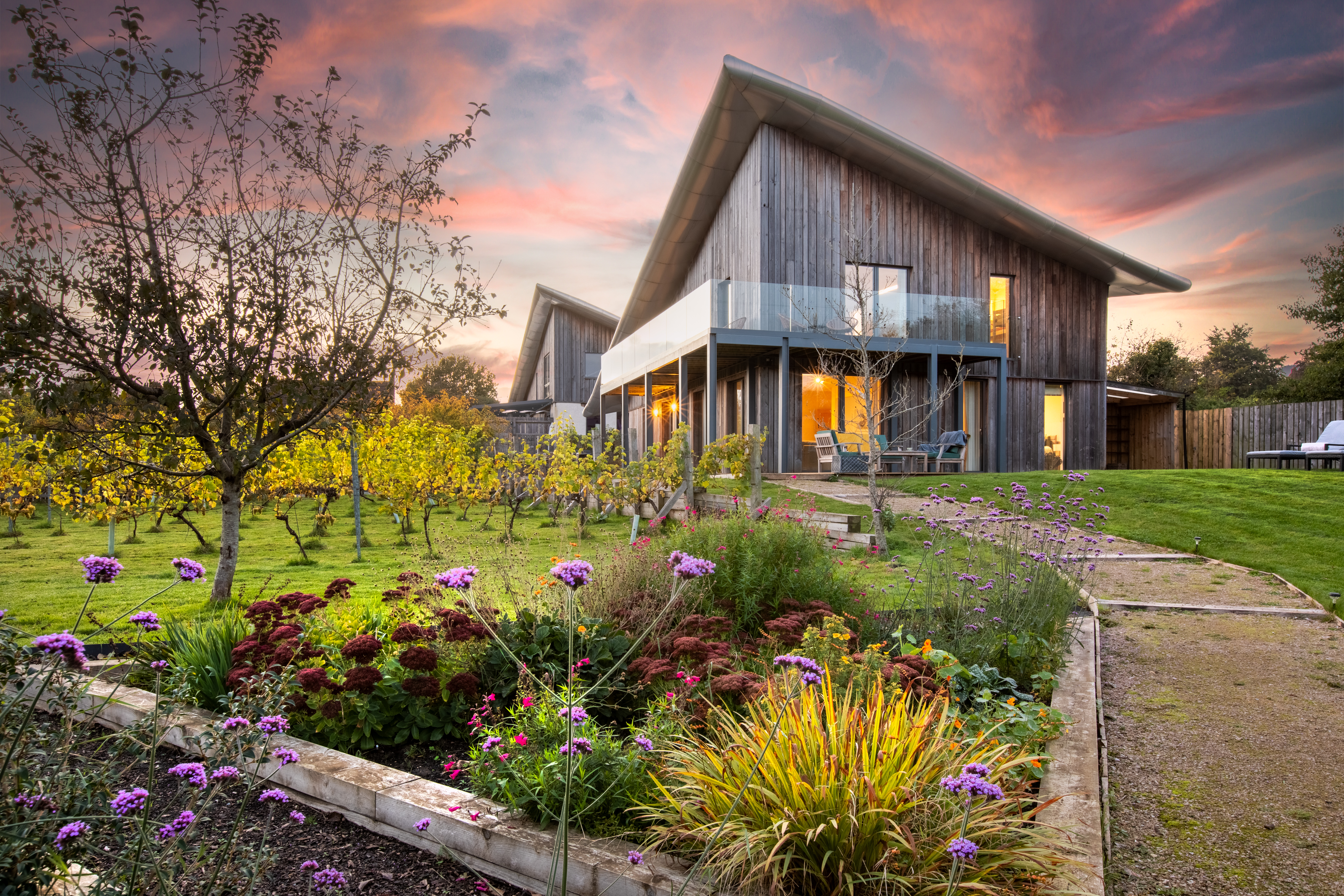
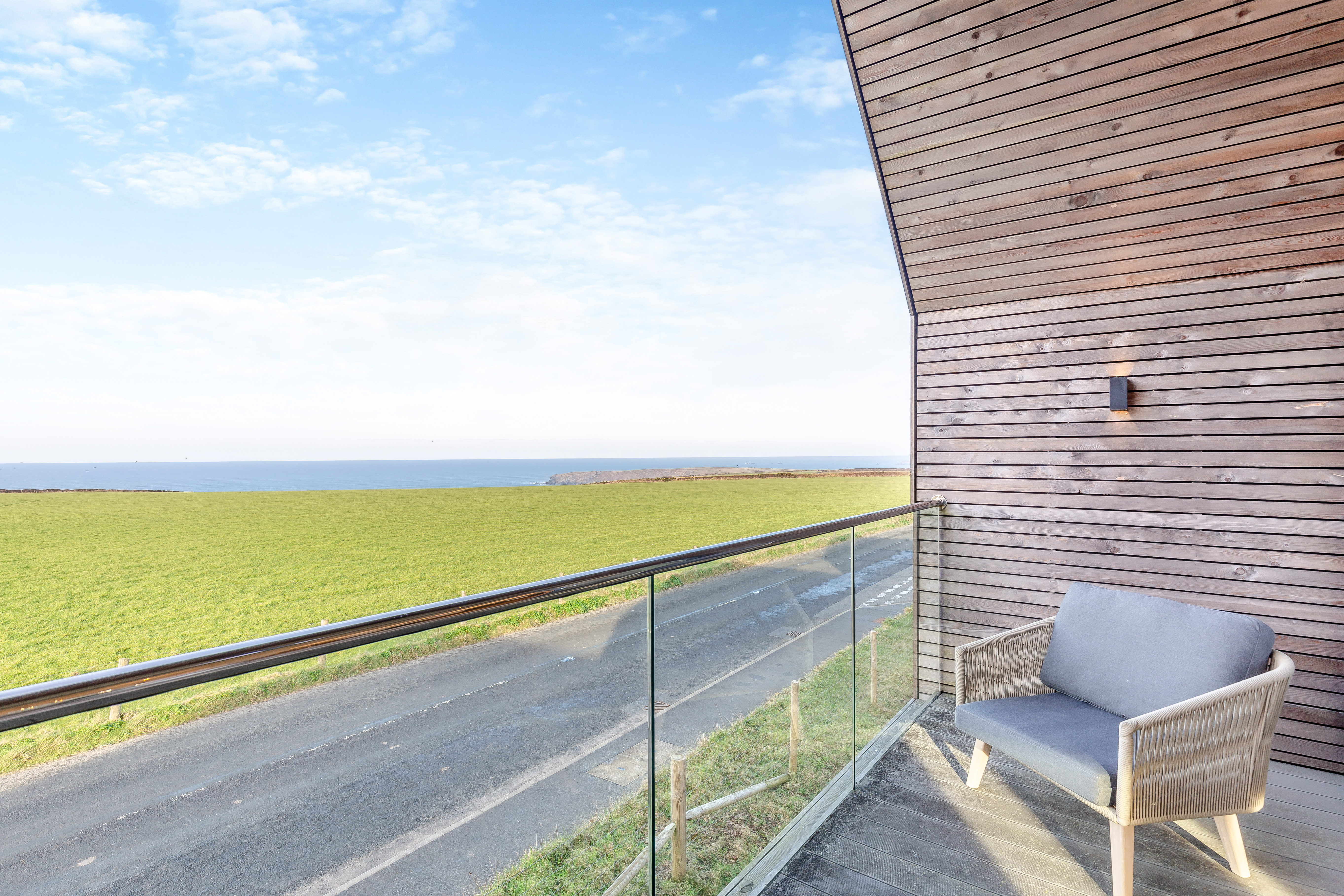
The Poochouse Cornwall collection is spread deliberately across both coasts, so you can match the cottage to the coast that suits your dog. On the wild north, The Padstow House, The Mawgan Porth House and The Hayle Cottage put you on the big surf-and-sand beaches. On the gentler south, The Falmouth Garden House and The Looe Cottage sit among the sheltered creeks and quieter coves.
And for the best time to come, read why the off-season is the dog owner’s secret — when the beach bans lift on both coasts.
For the full picture — every cottage on both coasts, mapped, with a short guide to Cornwall’s beaches and walks — see our dog-friendly Cornwall collection. If you would rather we simply matched you to the right coast and cottage, tell us about your dog and we will do exactly that.