Here is the thing almost nobody tells you about a Cornwall dog holiday: the best time to take it is precisely when most people don’t. Outside the summer season, Cornwall quietly becomes the place every dog owner wishes it was in August — empty, unhurried, and almost entirely yours.
The single biggest reason is the beaches. Through the summer, many of Cornwall’s most popular beaches enforce a dog ban on their main stretches — broadly Easter or May through to the end of September. It is the great frustration of a high-season dog holiday: you arrive at a glorious sweep of sand and find a sign turning you away. But the moment those bans lift, usually from the start of October, the whole coast reopens. Beaches that were off-limits all summer become, overnight, miles of open sand where a dog can run the full length without meeting a soul. The same beach that turned you away in August is yours alone in November.
And it is warmer than you think. Cornwall sits in the path of the Gulf Stream, which keeps it a few degrees milder than the rest of the country and means the temperature rarely drops below freezing. The sea, having been warmed all summer, holds its heat well into autumn — September and October water is often more swimmable than June. Off-season here does not mean bitter; it means bracing, which is a different and far more pleasant thing with a dog at your side.
What the off-season actually offers
Empty beaches are only the start of it. The crowds that clog the lanes and fill the car parks in summer simply are not there, so the whole rhythm of a trip relaxes — you can park at the popular spots, walk into the honeypot villages, and get a table at the pub without booking weeks ahead. The South West Coast Path, shoulder-to-shoulder in August, is yours to walk in either direction with nothing but seabirds and far-reaching views for company.
Then there is storm-watching, which is Cornwall’s great winter spectacle. When the Atlantic throws its weight at the coast, the sight of monster waves breaking over the harbour walls is properly thrilling — best watched from a safe headland or, better still, from the window of a dog-friendly pub with a fire going. Porthleven, Sennen Cove and St Agnes are among the classic spots; just keep well back from exposed sea walls and slipways, where waves can come over without warning, and keep the dog on a lead near the water.
Autumn also brings the grey seals to the Cornish coast to pup, roughly September to November — a wonderful thing to witness from the cliffs, and one that comes with real responsibility. If you are walking a beach where seals haul out, keep your dog on a lead and well back: pupping seals are easily disturbed, and a dog getting too close can do genuine harm as well as risk a nasty bite. Admire them from a distance and the moment stays a good one for everyone.
St Ives, and the art of the warm-up
Half the pleasure of an off-season dog walk is the contrast of coming in from it. Cornwall does this better than almost anywhere, because its dog-friendly pubs lean into winter: roaring fires, hearty food, local ales, and a settled acceptance of muddy paws and windswept hair. St Ives is a particular joy out of season — parking is easy, the golden town beaches that are restricted all summer reopen to dogs at any hour, and the winding streets are full of cosy, dog-welcoming spots to thaw out in afterwards. A blustery beach walk followed by a hot chocolate by a log burner is, we would argue, a better day than anything August offers.
What to pack
An off-season Cornwall trip rewards a little preparation. For the dog: a drying coat or a decent towel for the inevitable wet, sandy returns, and some paw balm for salt and cold. For you: proper waterproofs, wellies for the beach and walking boots for the muddier coast-path stretches, and layers, because Cornish weather turns on a sixpence. A flask for the long walks, and not much else — the whole point of the off-season is that you need less.
Where to come home to
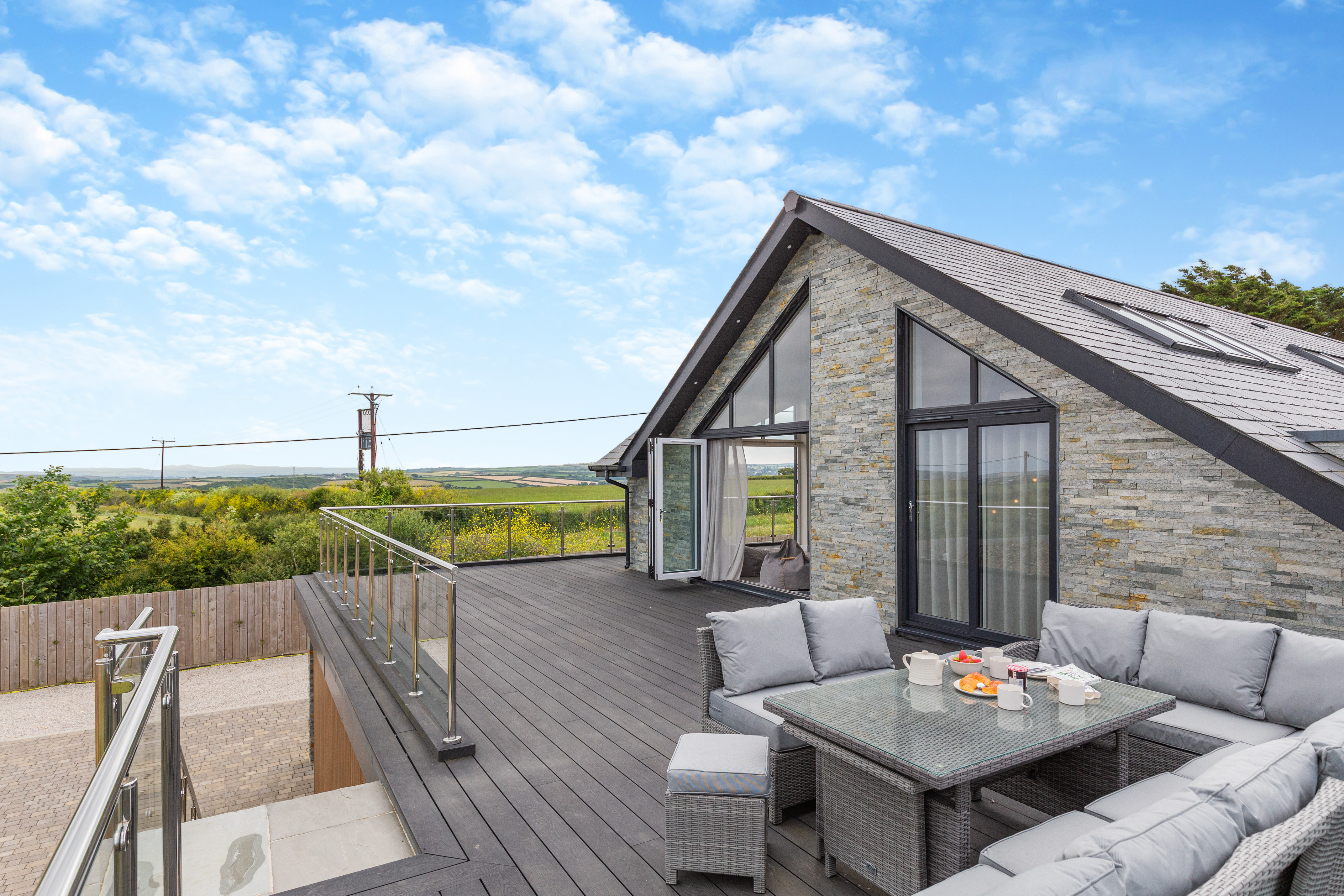
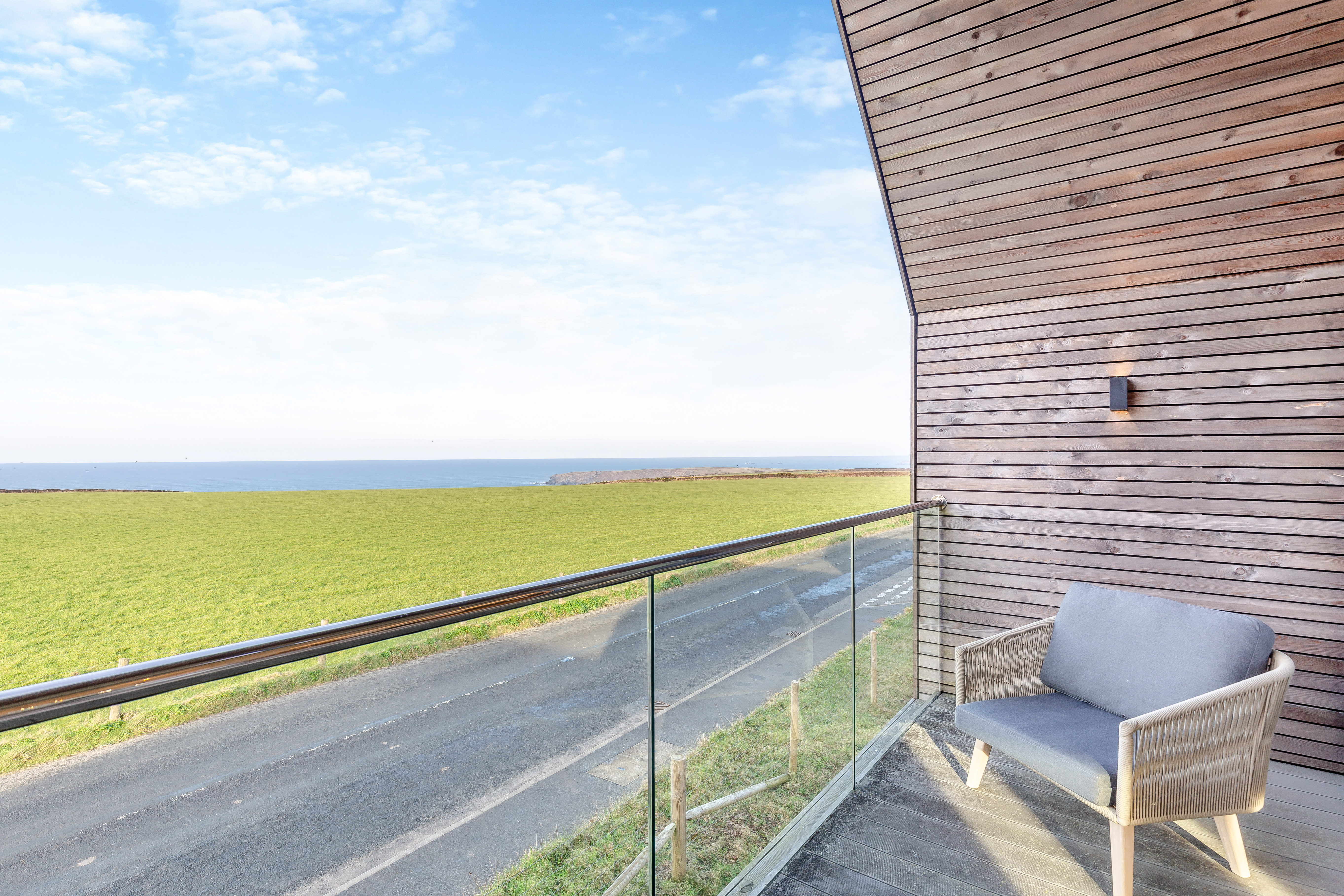
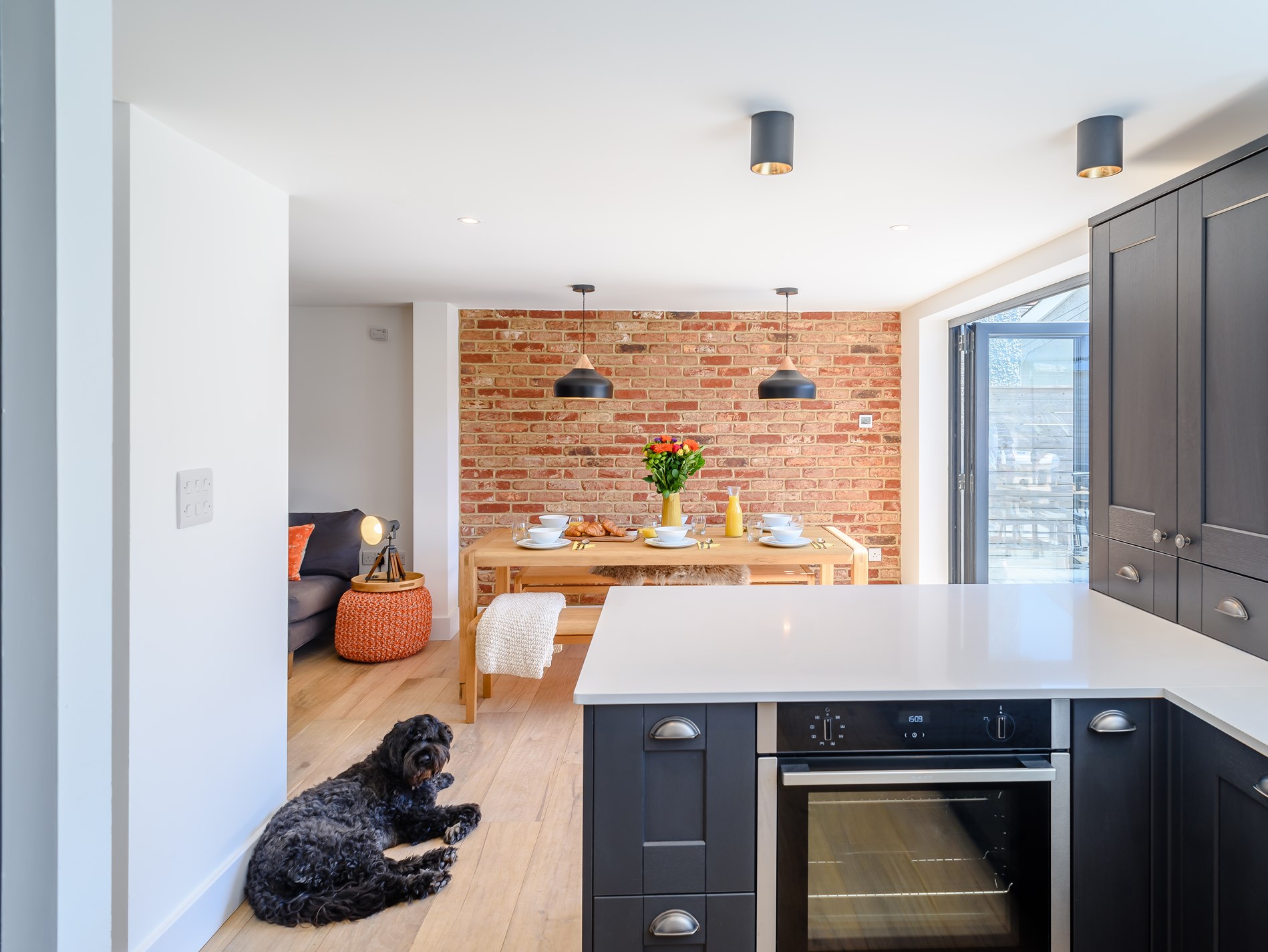
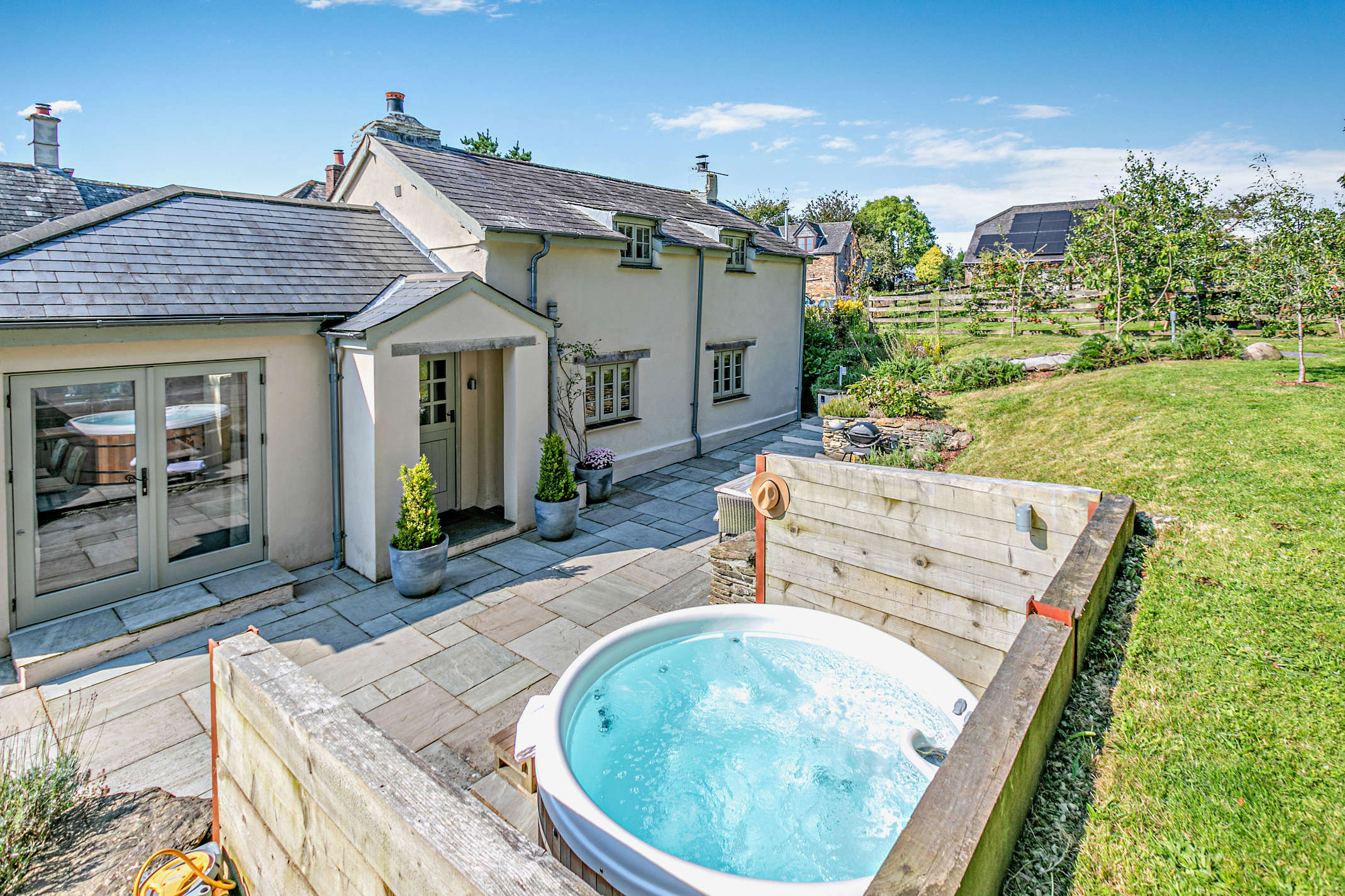
The off-season is, more than anything, a case for the right cottage — because when the walk is over, where you return to is half the holiday. This is where the Poochouse collection comes into its own: the quiet, private, woodburner-and-hot-tub cottages that feel indulgent in summer feel essential in winter. The Looe Cottage is the romantic off-season bolt-hole — a wood burner, a hot tub under dark skies, and a tucked-away corner of the south coast. The Tehidy House has a hot tub and an enclosed garden away from the bustle, and The Falmouth Garden House brings a secluded woodburner-warmed farmhouse on the sheltered south.
For the wider picture — every cottage on both coasts, mapped, with a short guide to Cornwall’s beaches and walks — see our dog-friendly Cornwall collection. And if you are weighing up which coast suits your dog, our guide to choosing north or south Cornwall is the place to start.