A cottage listed as having an "enclosed garden" can mean anything from a fully walled courtyard to a garden enclosed on three sides by a knee-height hedge. For a dog who needs real security — an escape artist, a nervous dog, an off-lead-only dog — the difference is enormous. The only way to know is to look at photographs of the boundary, ask the owner directly, and trust your instincts about whether the answer is specific or vague.
There's a particular kind of dog-owner anxiety that attaches itself to the garden question. You find a cottage that looks right in every other way. The listing says "enclosed garden." You spend twenty minutes trying to zoom in on the garden in the photographs. You look at the satellite view. You still can't tell. You've been here before, and the last time the "enclosed garden" turned out to have a swinging gate onto the lane.
This is not a niche problem. A secure outside space is the single feature that most dog owners with a complicated dog — a dog who bolts, a rescue dog, an anxious dog, a dog with a history of escaping — rate higher than any other. And it's the feature that holiday cottage listings do the worst job of describing.
The listing problem
"Enclosed garden" is used as a term of art in holiday letting that essentially means: there is a garden and it has some form of boundary. Whether that boundary is a 6-foot stone wall, a post-and-rail fence with gaps at the bottom, or a privet hedge through which any determined dog could push in thirty seconds — listing sites rarely distinguish between these.
A "fully enclosed" garden is not the same as a "secure" garden. The fully can mean the enclosure is complete; it says nothing about the height, the material, or the gaps.
There are a handful of specific listing terms that are more reliable: "walled garden," "courtyard garden," and "secure enclosed garden" all carry more information than "enclosed garden" alone. But even these should be verified. A walled garden with a wooden gate that swings open in the wind is still a potential escape route.
What to actually look for in photographs
Listing photographs are almost always taken to show the garden in its best light — wide angle, usually from a low-ish perspective that makes the space look inviting. This is rarely the angle that tells you about the boundary. Look for:
Photographs that show the boundary clearly. If no photograph shows all four edges of the garden, that's worth noting. A good owner with a genuinely secure garden tends to be proud of it and shows it explicitly.
Gate hardware. If there's a gate visible in any photograph, zoom in on the latch mechanism. A bolt or a latch that requires hands to operate is significantly more secure than a sprung gate or a simple loop-and-post. A gate with a step over the threshold (common in stone courtyard gardens) is better still.
The material of the boundary. Stone walls and close-board fencing are the most secure. Post-and-rail with wire infill is good if the wire extends to ground level. Post-and-rail without wire is not secure for a small or medium dog. Hedging is rarely fully secure.
Height at all corners. Photographs sometimes show high walls at one end and hedging or post-and-rail at the other. Look at all four sides, not just the one facing the camera.
Questions to ask before you book
The five questions that matter
-
What is the garden enclosed with on all four sides? A specific answer (stone wall, 6-foot close-board fence) is good. A vague answer ("it's fully enclosed") is a signal to ask again.
-
What is the gate latch mechanism? Can it be opened by a dog? Does it swing closed automatically? Is there a step or threshold?
-
What is the approximate height of the boundary? For most dogs, 4 feet is sufficient. For a dog who jumps, 5–6 feet is needed. For a dog who digs, the material at ground level matters more than height.
-
Are there any gaps at ground level? Even a small gap matters for small dogs and dogs who investigate thoroughly.
-
Can you share a photo of the garden boundary? Good owners answer this without hesitation. The ones who push back or give vague answers are telling you something.
Cottages from our collection with secure outside space
We check the garden security for all properties in our collection that list an enclosed garden. Below are three we'd confidently recommend for a dog who needs properly secure outside space.
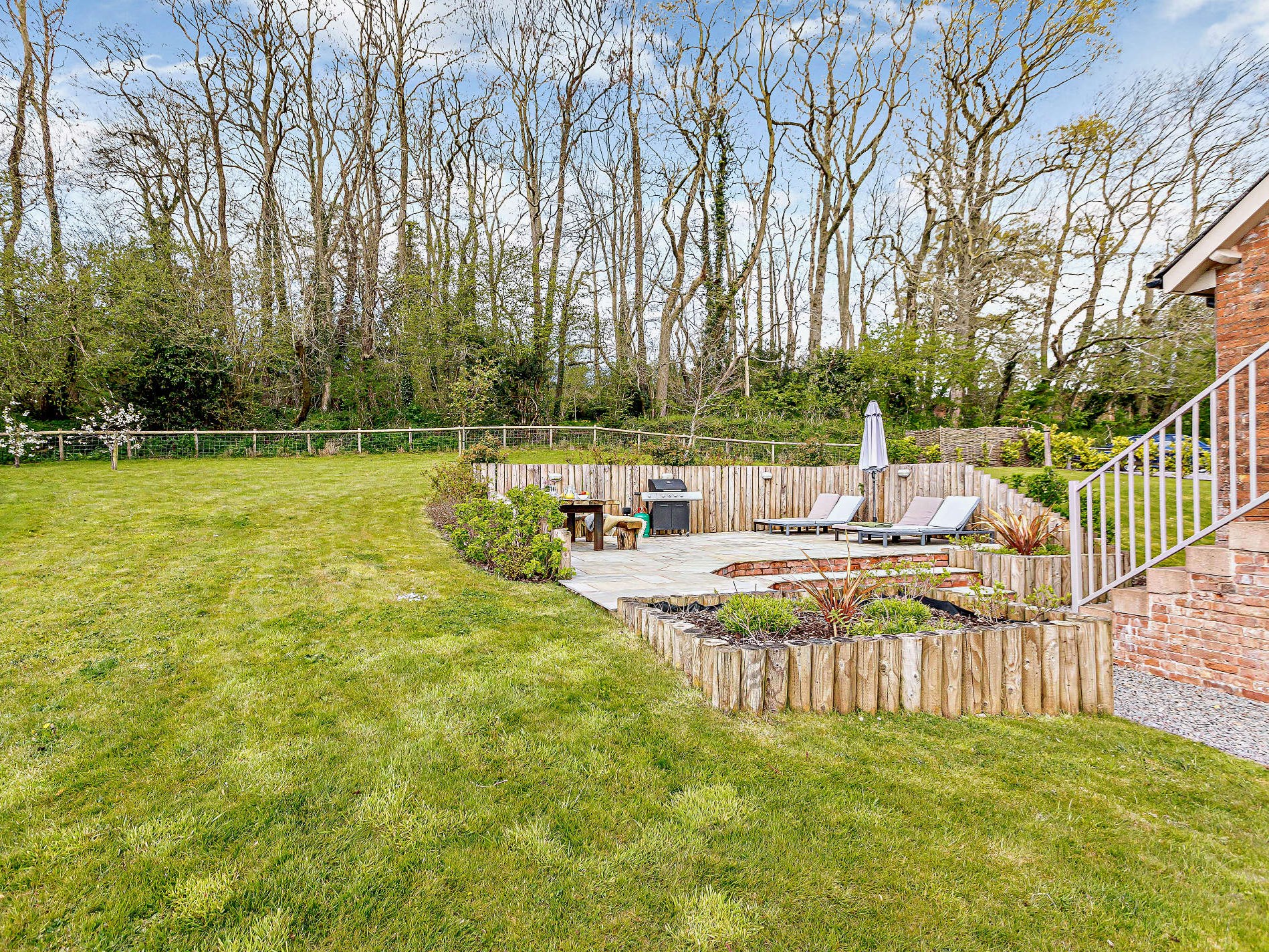
The Payhembury Farmhouse
Walled courtyard garden — stone walls on all four sides, a latched wooden gate. A genuinely secure space for any dog. Quiet lane location with no through traffic.
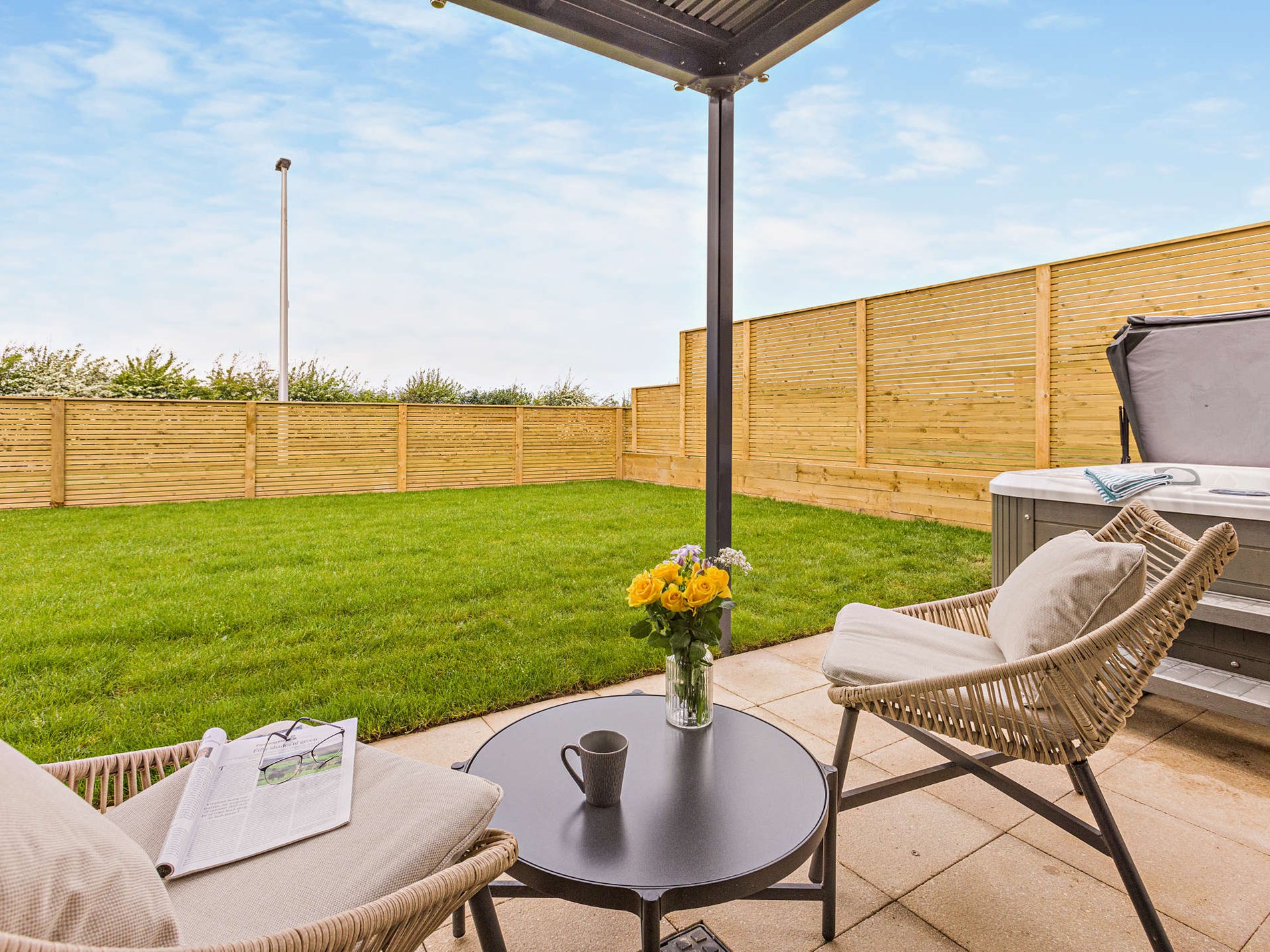
The Appledore Townhouse
Walled garden in the centre of Appledore village. Securely enclosed with no through access. A good base for dogs who need outside space in a coastal village setting.
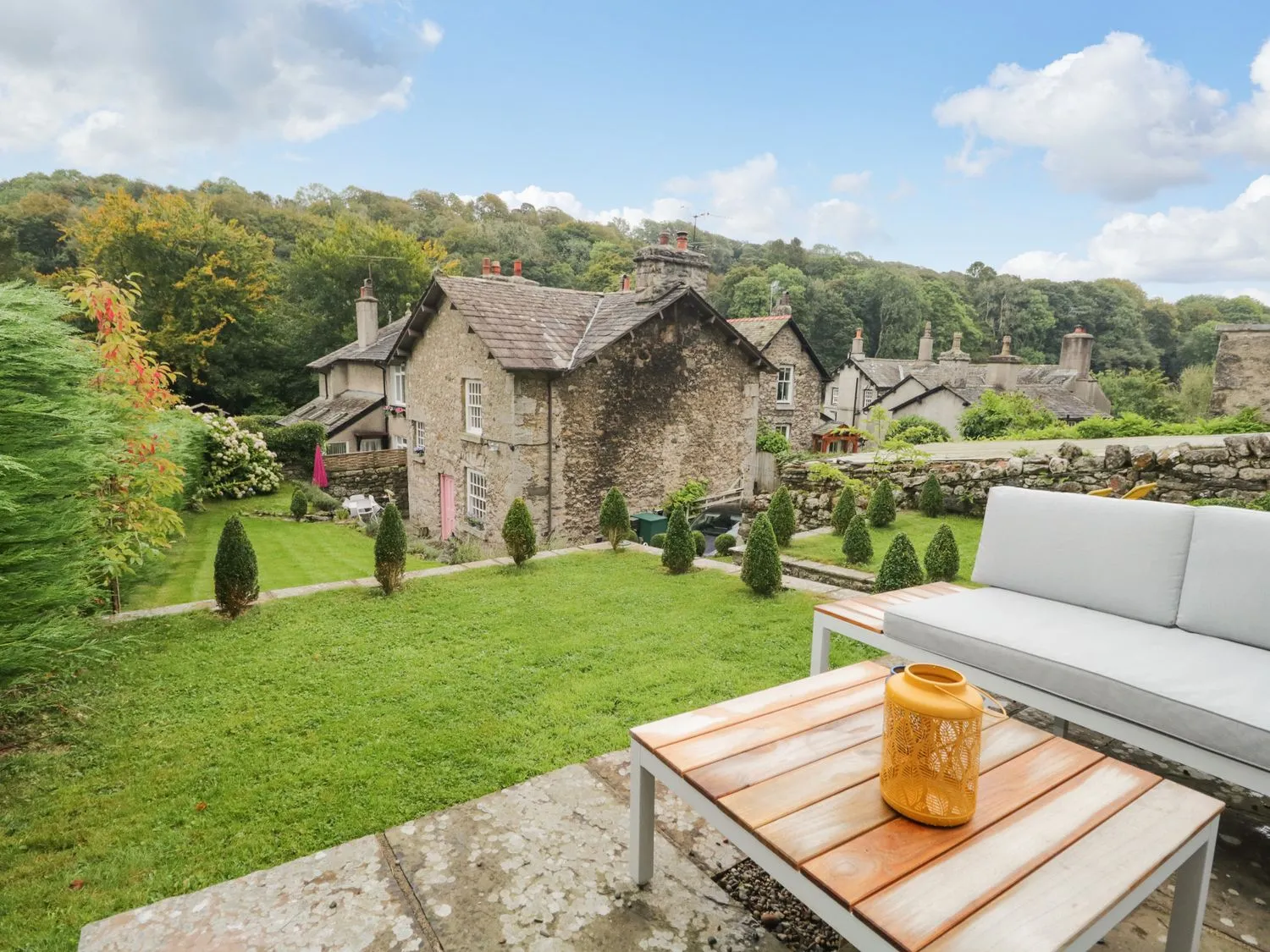
The Cartmel Cottage
A properly enclosed garden in Cartmel village. Secure boundary throughout, with a clearly latched gate. A calm, contained space for a dog who needs to decompress.
For nervous dogs in particular
An enclosed garden matters most for the dogs who need it most: the anxious dog, the rescue dog, the escape artist. For these dogs, a properly secure outside space isn't a luxury — it's the thing that makes the holiday possible at all. The ability to let your dog out into the garden at 6am without a lead, without a headcount, without standing at the gate watching — that's what changes a break from stressful to restoring.
Our guide to holidays with an anxious dog covers the broader picture of what to look for in a property for a nervous dog. The enclosed garden is the starting point; it's rarely the only consideration.
If you tell us your dog's specific situation when you enquire, we'll match the property to the requirement rather than just to the "enclosed garden" checkbox. The difference in what that produces is significant.