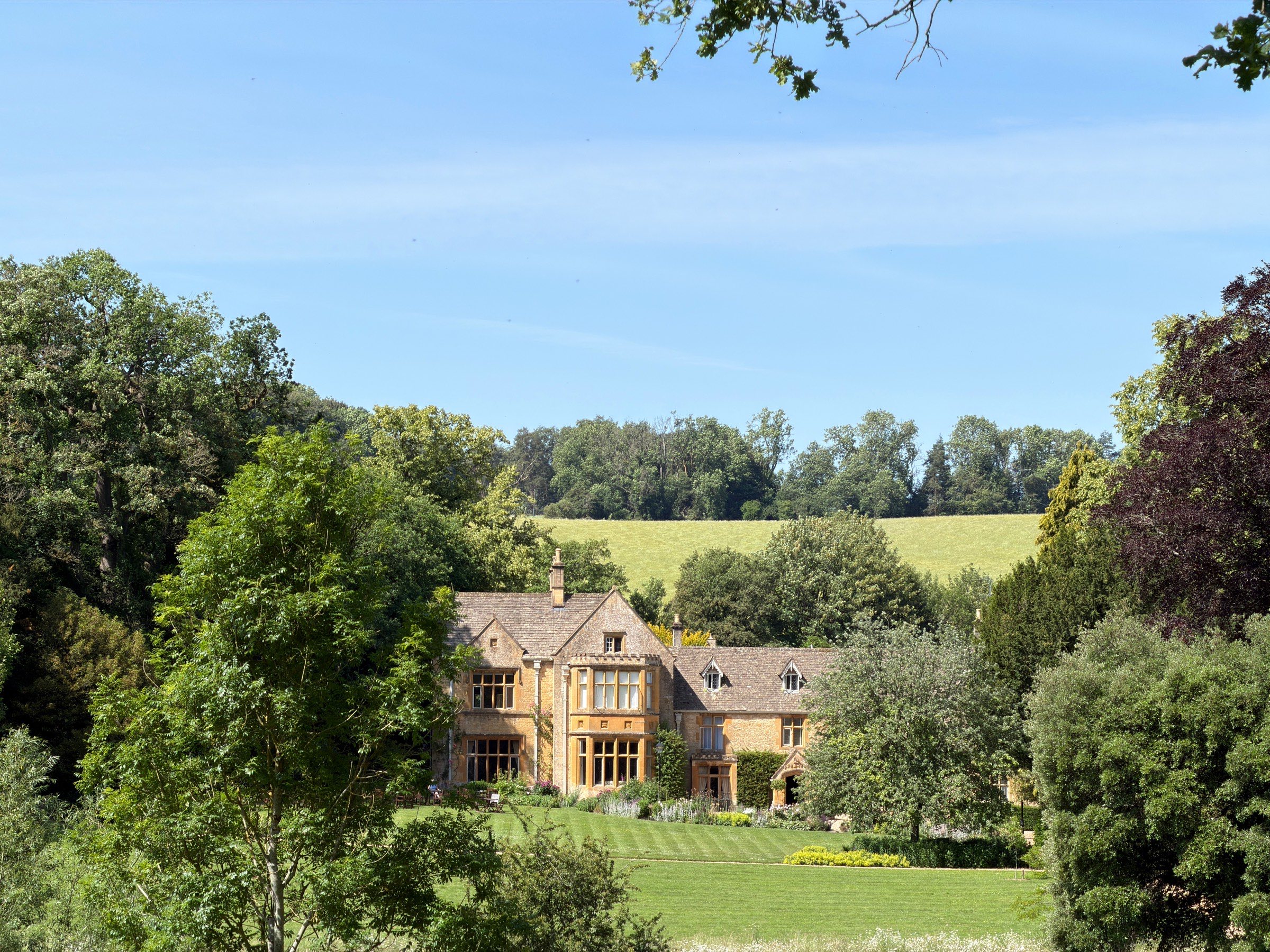
The country house didn’t just decline after the Edwardian era ended, part of it found a second life as something closer to what this collection does today: a large historic house, let out by the week, with room enough for everyone.
From private house to a charity’s problem
The same forces that emptied out the great Saturday-to-Monday house parties, covered elsewhere in this collection, left the National Trust holding buildings neither the families who’d owned them nor the state particularly wanted the bill for. Founded in 1895 to preserve places of historic interest, the Trust spent the first half of the twentieth century taking on country houses that had become financially impossible for anyone to keep running as a private home.
The Lake District cottage that started it
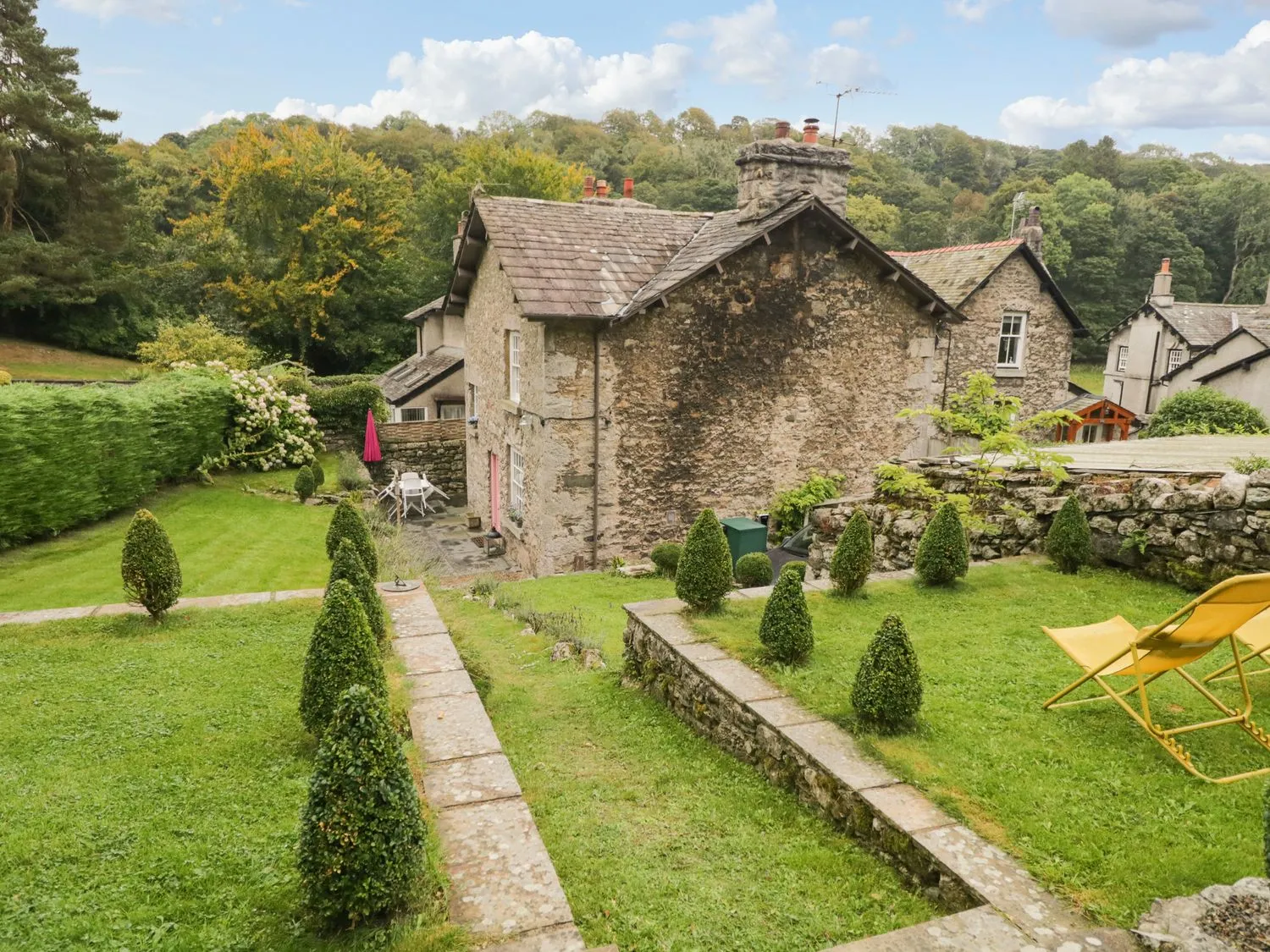
Preserving an empty building costs money it doesn’t earn. Letting it, it turns out, can pay for its own upkeep. The National Trust opened its first holiday cottage in the late 1940s, in the Lake District, and the basic idea has barely changed since: put a historic property to work housing paying guests instead of leaving it shut up and decaying, and use what it earns to keep the roof on.
The Landmark Trust and Lundy Island
A second charity took the same idea further. Sir John and Lady Smith founded the Landmark Trust in 1965, specifically for the smaller, odder buildings the National Trust had no interest in, after watching a Thomas Telford-designed cottage get lost to demolition and deciding somebody needed to start catching the ones nobody else would. Their first rescue was modest: a caretaker’s cottage in a Welsh village called Llandygwydd, saved and eventually let out to the public. By 1967 the Trust had six properties available to rent. Today it has around two hundred, including twenty-three buildings on Lundy Island, off the North Devon coast, leased from the National Trust since 1969 and let out as some of the most remote holiday properties in the country.
From two cottages to a whole industry
What started as one cottage in the Lake District and one caretaker’s cottage in Wales has grown into several hundred restored properties between the two charities alone, castles, follies, farmhouses and manor houses across England, Wales and Northern Ireland, all let out specifically because renting them turned out to be the thing that kept them standing. One of the Landmark Trust’s restorations, Astley Castle in Warwickshire, a medieval ruin rebuilt around a modern interior, won the RIBA Stirling Prize in 2013, the same award the restored Hastings Pier would go on to win four years later, covered elsewhere in this collection. The wider private holiday-letting industry grew up alongside this same shift: grand houses that a single family could no longer justify keeping to themselves became, over the following decades, exactly what a group could take on together instead.
Where dogs fit into this now
Dogs are a comparatively recent addition to all of this. The National Trust alone currently lists close to three hundred dog-friendly cottages among its holiday properties, a figure that will have moved by the time anyone reads this, and it’s worth checking current numbers rather than trusting this one. The appeal underneath it hasn’t changed from the version that existed before any of it was dog-friendly at all: a big historic house, several families under one roof, and a week that only works if there’s room enough for everyone in the party, dogs included.
That’s the same basic promise a Together-tagged property in this collection is built around, minus the National Trust’s charitable mission and minus the wait for a specific historic building to become available. The house party never ended. It just changed who could book one.