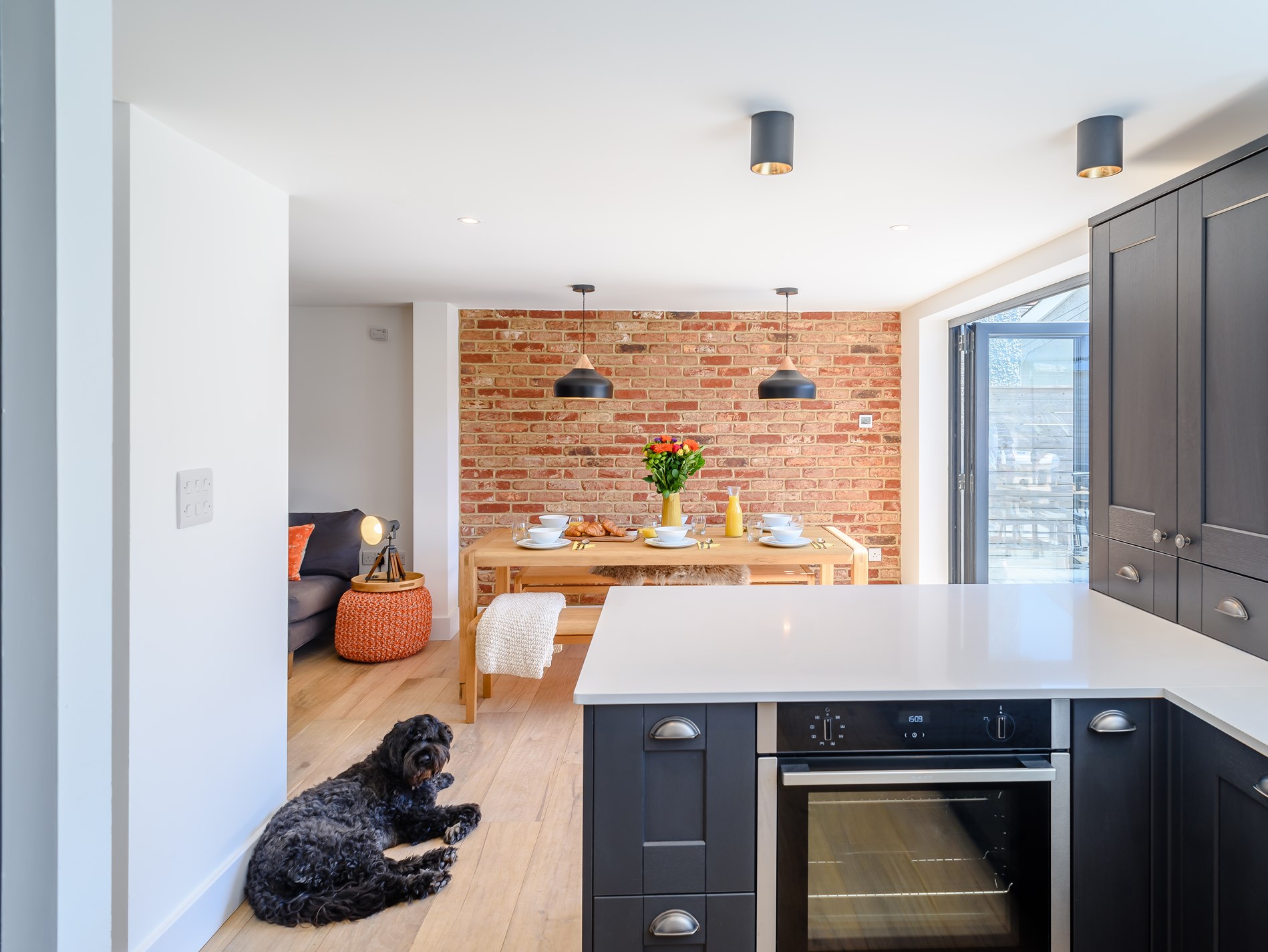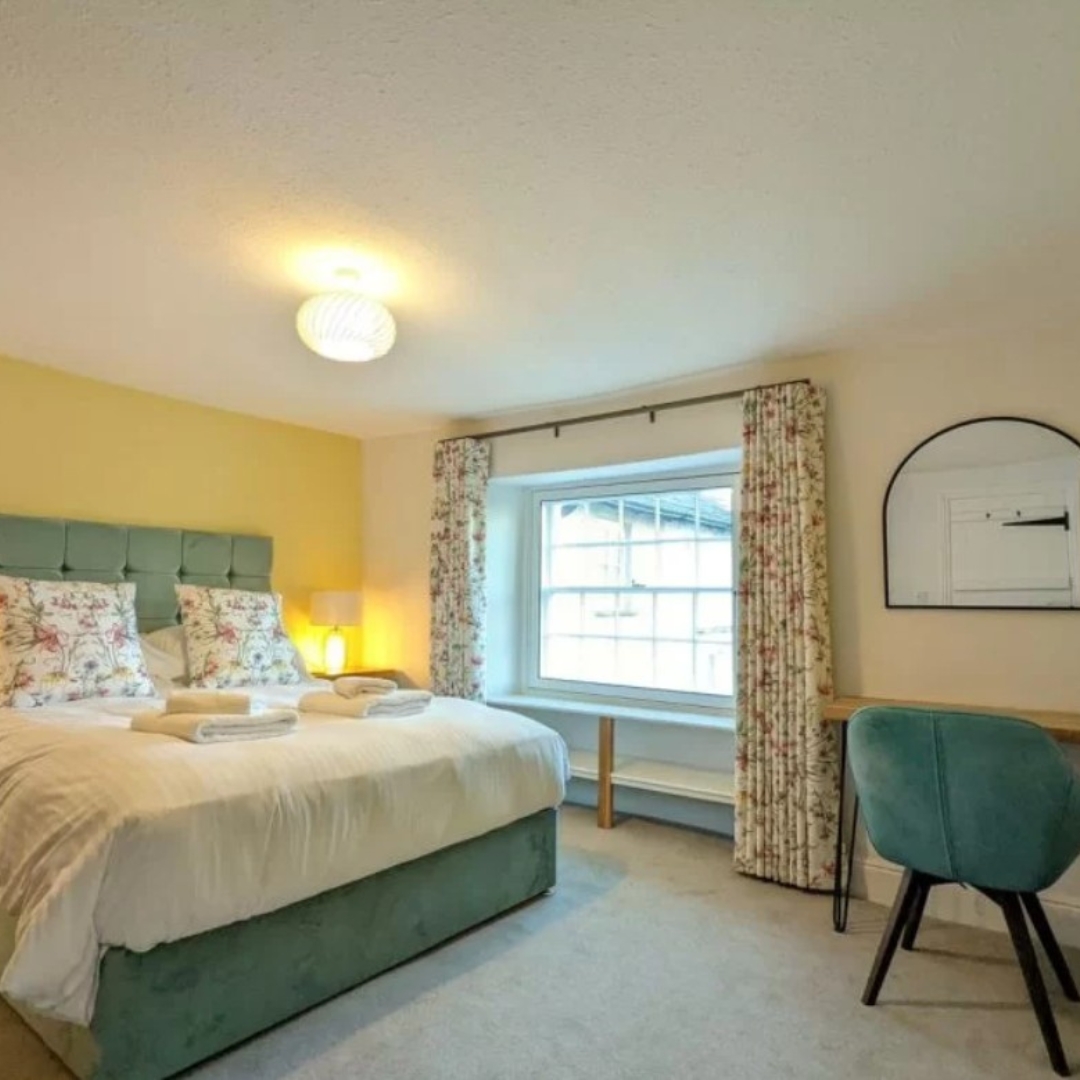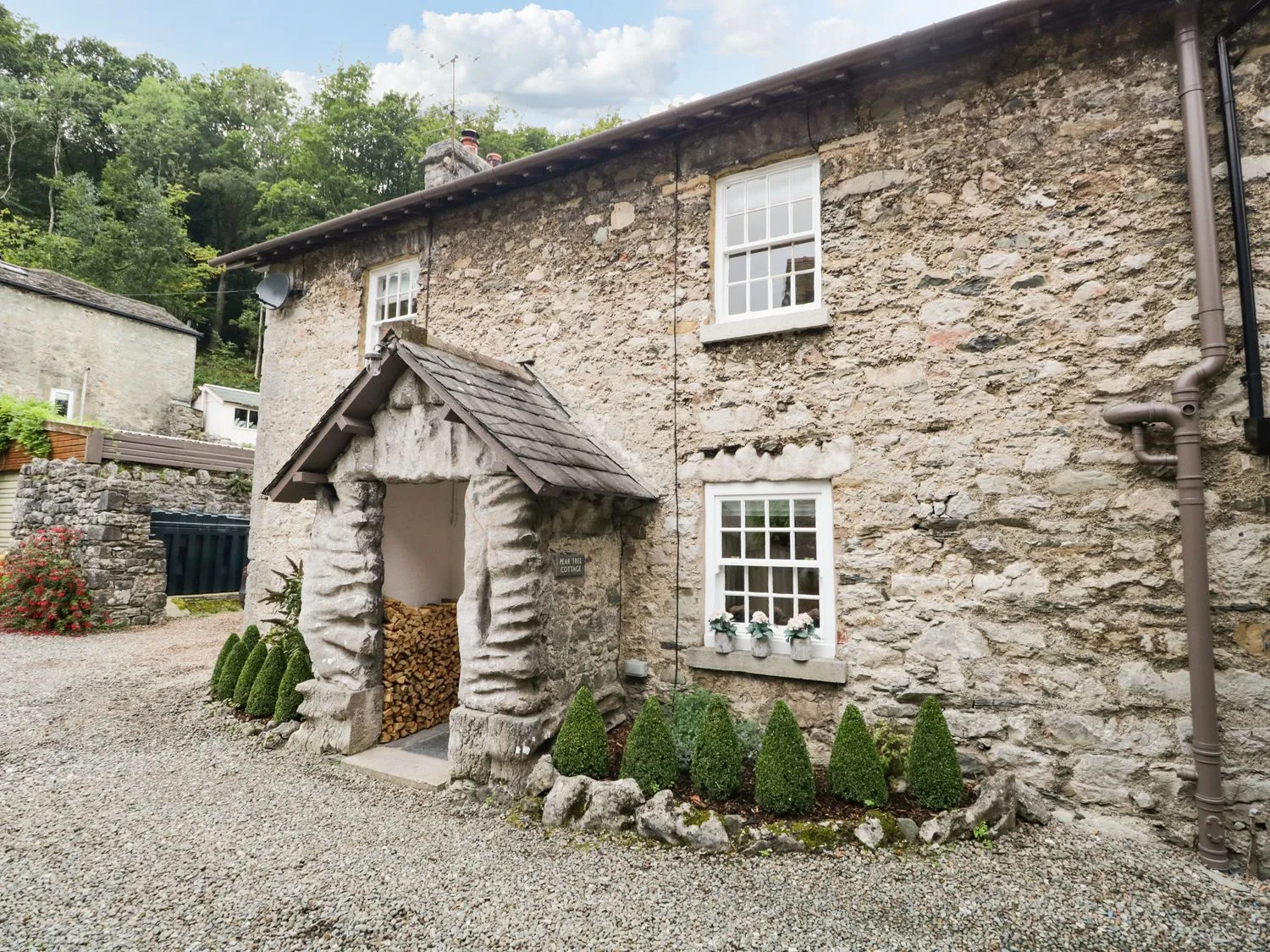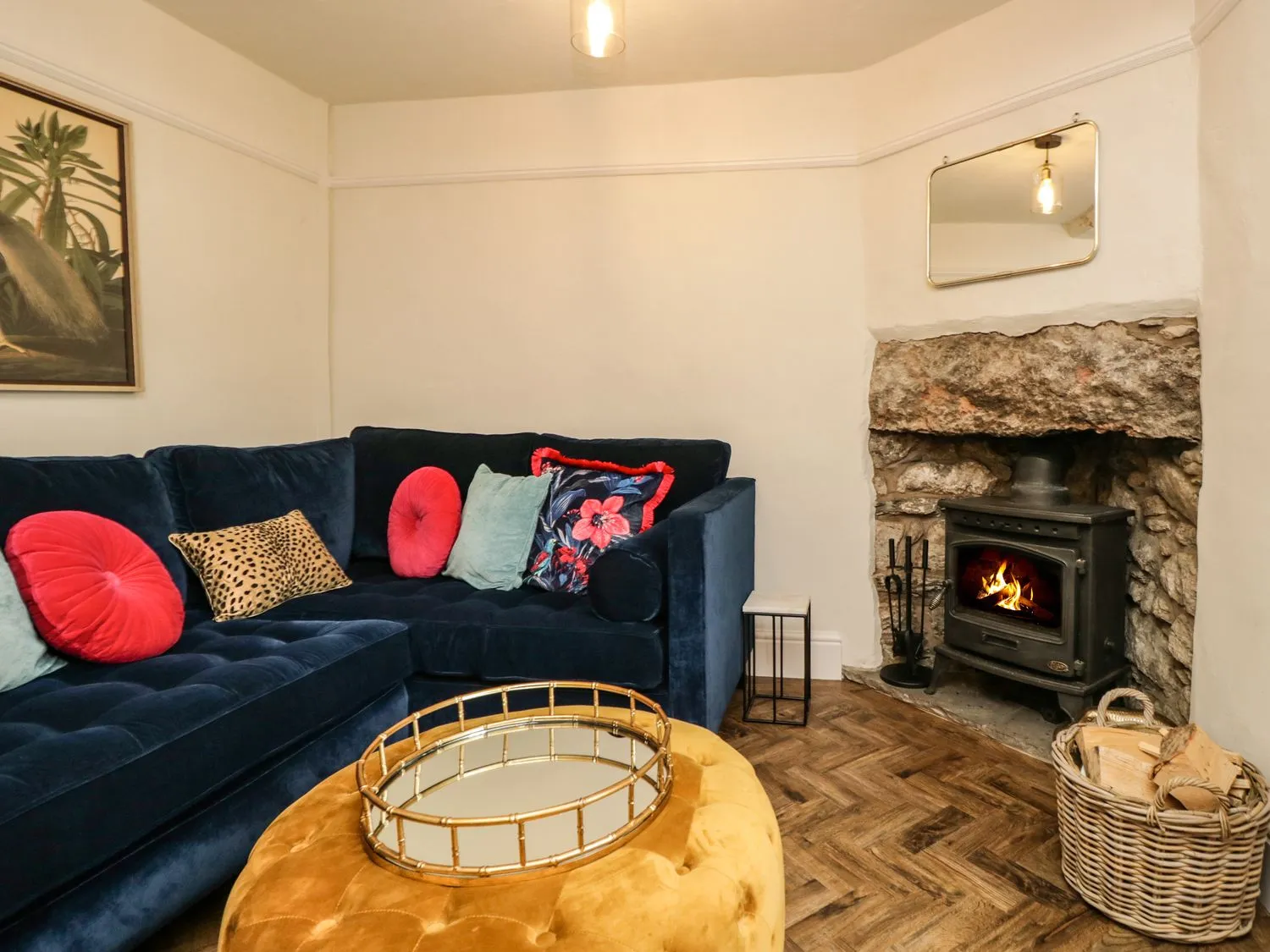
Ask most people which collection they’d choose and they’ll describe themselves: the empty beach, or the fire already lit. Ask what their dog would choose, and it isn’t always the same answer.
The case for Wild
Wild is coastal, and the ground is real work: shingle that shifts under a paw, cliff path with a genuine drop, a beach long enough that a dog can get flat out at a dead run and still have three-quarters of it left in front of him. It suits dogs that come back tired, not dogs that come back happy. Those aren’t always the same dog. A young dog who’s pacing at the door by eight in the morning. A dog who swims. A dog who doesn’t flinch at a drop he can’t see the bottom of.
It’s a harder week for an anxious dog, or an old one. The cliff edge a spaniel won’t even glance at is the exact reason a nervous dog stops dead and won’t take another step. Wild rewards nerve. It doesn’t ask a dog to have it. It just doesn’t make allowances if he hasn’t.
The case for Cosy
Cosy is a shorter walk and a longer evening: woodland instead of coast path, a fire lit before you’ve got your boots off. The walk back doesn’t need daylight. It suits a dog whose favourite hour of the day is the one spent flat out in front of something warm, not worked into the ground beforehand.
Older dogs do better here. Arthritis and cold stone floors don’t mix, and a mile at eleven years old isn’t the same mile it was at two. They’re not built for the same dog. That’s the actual choice on the table, not which collection is nicer.
Which one is your dog, really?
Watch him on an ordinary walk, not a big one, and the answer shows itself. A dog who’s still pulling at the end, who wants five more minutes at the door before you’ve even got your coat off: that’s Wild, whatever his age. A dog who slows down on the way back without being asked, who’s asleep before you’ve sat down yourself: that’s Cosy, whatever his breed. A twelve-year-old collie can out-walk a two-year-old spaniel who’d rather be on the sofa. Age and breed tell you less than the ordinary Tuesday walk does.
What doesn’t change either way
Both collections are held to the same standard before we recommend them. A listing that says the garden is enclosed has to actually be enclosed. A beach listed as a short walk has to actually be a short walk. That standard doesn’t change whichever collection you’re looking at. It’s the difference between the cottages we curate and a filtered list of ones that simply allow dogs.
When it isn’t obvious
Your dog probably wants both: the run and the fire afterwards. The honest answer is to go with whichever need is louder for this trip, not to treat the collection as a permanent label. Two things settle it fast. If your dog is anxious or newly rehomed, think about the cottage before you think about the walk. The four walls matter more than the view when a dog is still working out whether this place is safe. We’ve written about that separately, in choosing a holiday cottage for an anxious or rescue dog. And for an older dog, it’s stairs and distance to flat ground that decide it, not the view. We go into that in choosing a UK holiday cottage for an older dog.
If it’s still not obvious, Find your cottage does the sorting for you: a few questions about the dog you’re actually bringing, matched against the cottages we curate rather than the dog on a brochure.