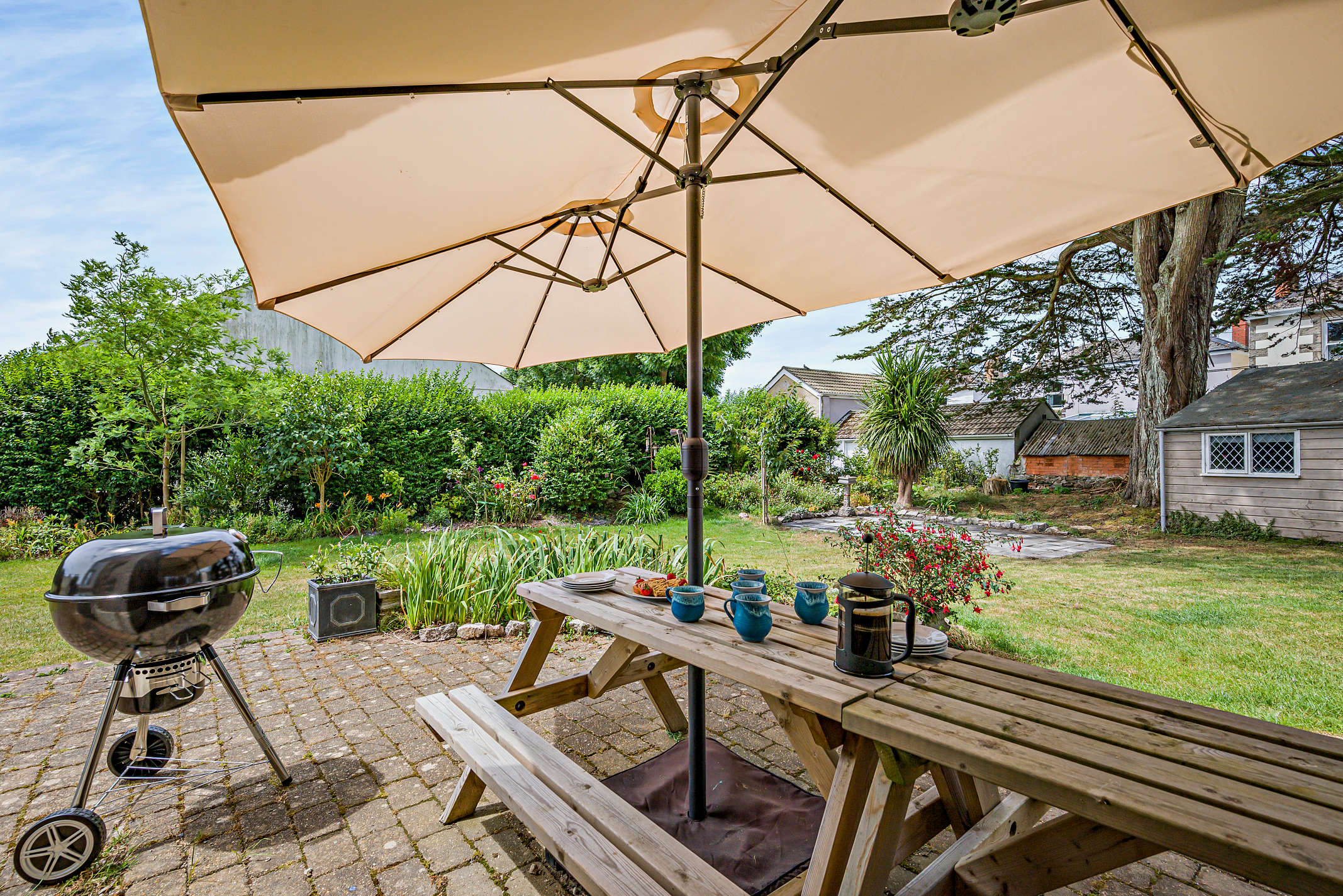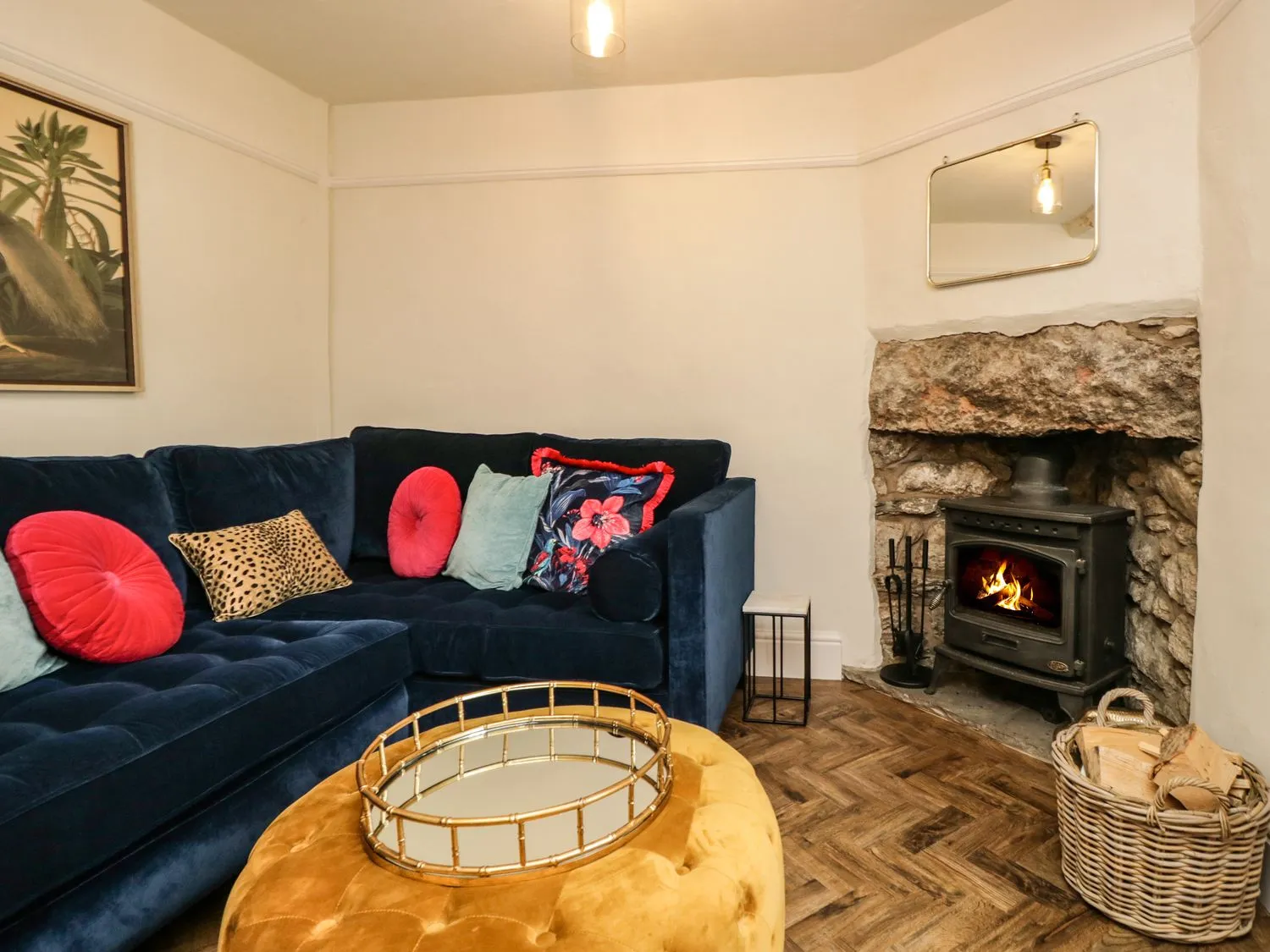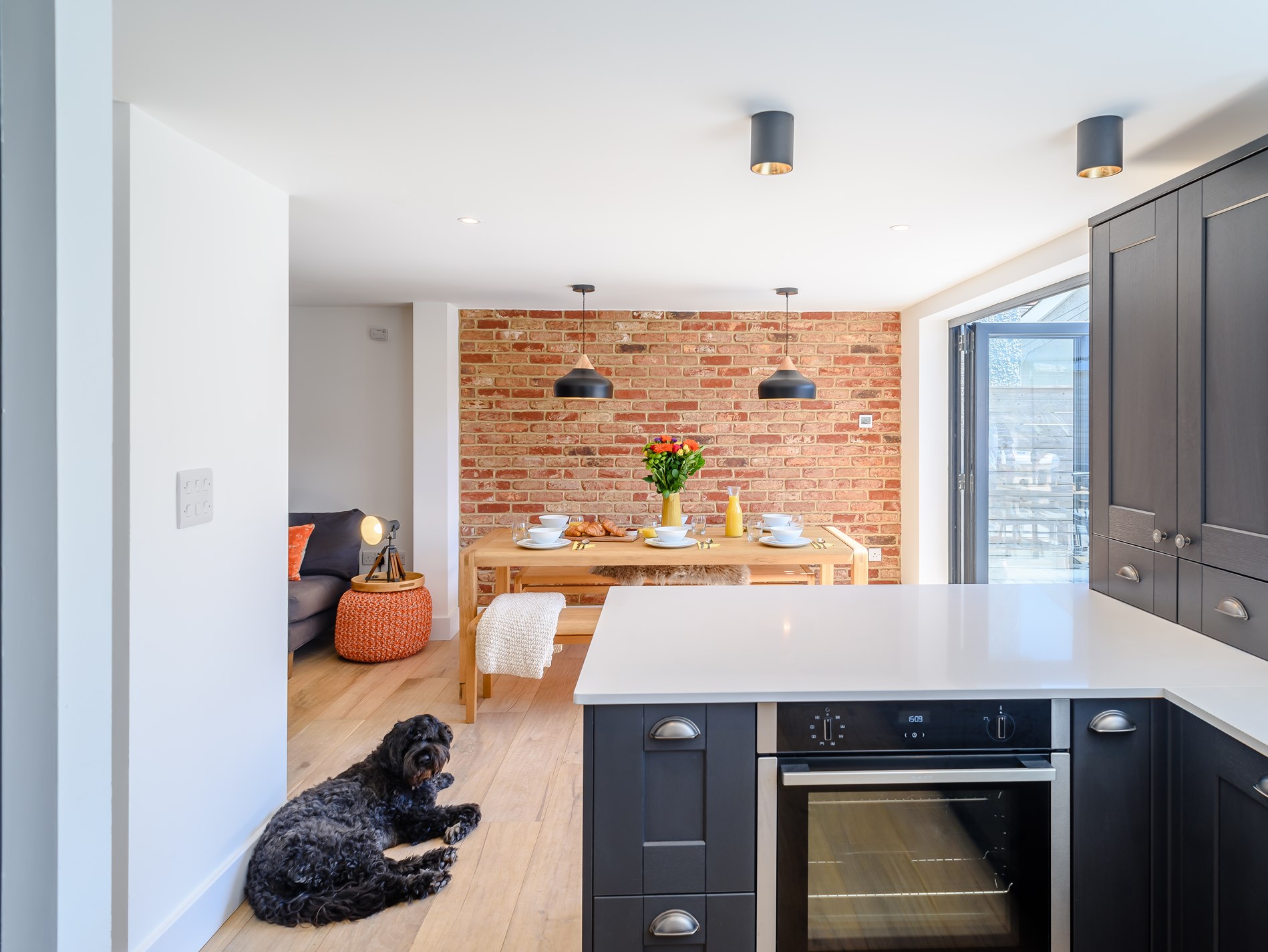
There's a reason a family walk always seems to go better once the dog's along for it. Everyone's talking to the dog instead of at each other, the phones stay in pockets, and somehow the whole group ends up in a better mood by the second mile than they were in the car park. It turns out there's actual research behind that feeling, not just a nice coincidence.
The chemistry of a dog walk
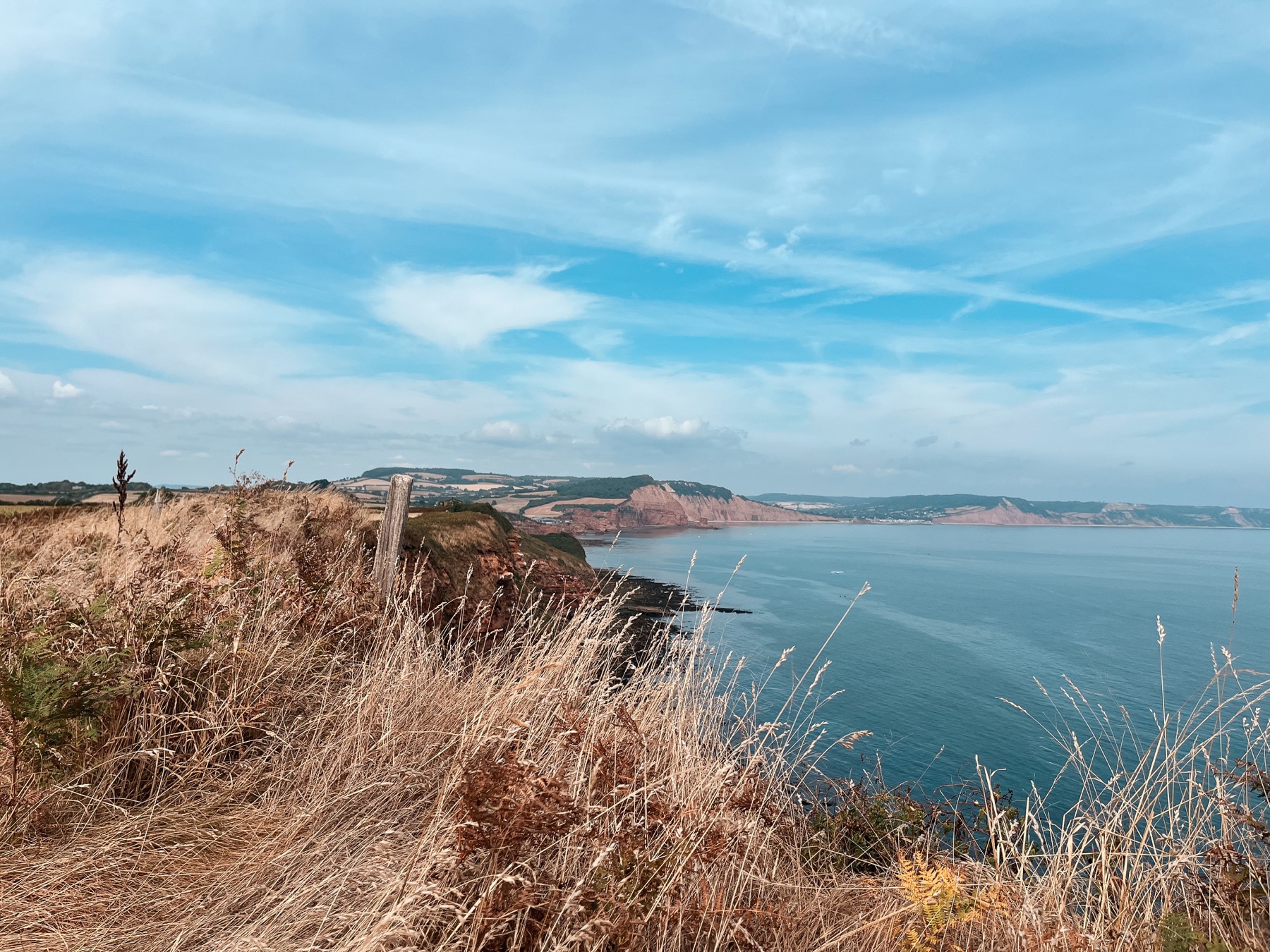
Start with the walking itself. Junko Akiyama and colleagues at the Yamazaki University of Animal Health Technology in Tokyo found that a daily dog walk measurably boosted calming GABA chemicals in the body by up to 40 per cent, while lowering a stress-linked chemical called MHPG at the same time. That's not a vague “walking is good for you” finding, it's a specific chemical shift, and it happens whether the walk is round the block at home or along a cliff path on holiday.
Why the real thing beats the idea of it
Direct contact with a dog seems to matter more than most people assume too. In a study at the University of Warwick, 82 students were split into two groups, one watched videos of a dog, the other spent time actually playing with one, and both groups reported feeling less anxious afterward. The group who interacted with a real dog felt significantly better than the group who only watched. It's a small, tidy way of confirming something most dog owners could have told you already: the dog itself is doing the work, not just the idea of one.
The walk that doesn't feel like a chore
Professor Carri Westgarth, who researches human-animal interaction at the University of Liverpool, has spent years studying exactly this relationship. One of her findings is that dog walks split into two distinct kinds: the functional walk, done because the dog needs it, and the recreational one, done because it's enjoyable for the person too, not just the dog. A change of scenery, new smells, new terrain, is exactly what tips a walk from the first category into the second, which is as good an argument as any for choosing somewhere different to walk on holiday rather than repeating the same loop from home.
The bonding side of it
There's evidence for the bonding side too. A study looking at older adults through the COVID-19 lockdowns found that those who walked their dog at least once a day didn't become any lonelier despite everything else going on, while those who didn't walk a dog regularly did. Whatever's happening on a shared dog walk, structure, company, a reason to be outside together, it seems to buffer people against isolation regardless. A family holiday, day after day together, is a concentrated version of that same shared structure.
What this means on holiday
None of this needs a research paper to feel true on the ground. A dog on a family holiday gives everyone the same reason to get outside at the same time, doesn't care about the weather nearly as much as the rest of the family does, and turns a walk that might otherwise get skipped into one that happens anyway. The science just explains why that ends up mattering more than it looks like it should.
If a dog's coming on the next family trip, finding the right cottage starts with matching the walk to the dog, not just the house to the headcount.