Bude’s Cornish name, Porthbud, means Bede’s Haven, after a holy hermit said to have lived here long before anyone thought to build a sea pool or a canal, and the town has kept adding to that history in odd directions ever since. A dog-friendly beach in Bude isn’t hard to find; the harder part is choosing between the six or seven within easy reach of the town, each with its own character and its own rules.
The main beaches, and how they differ
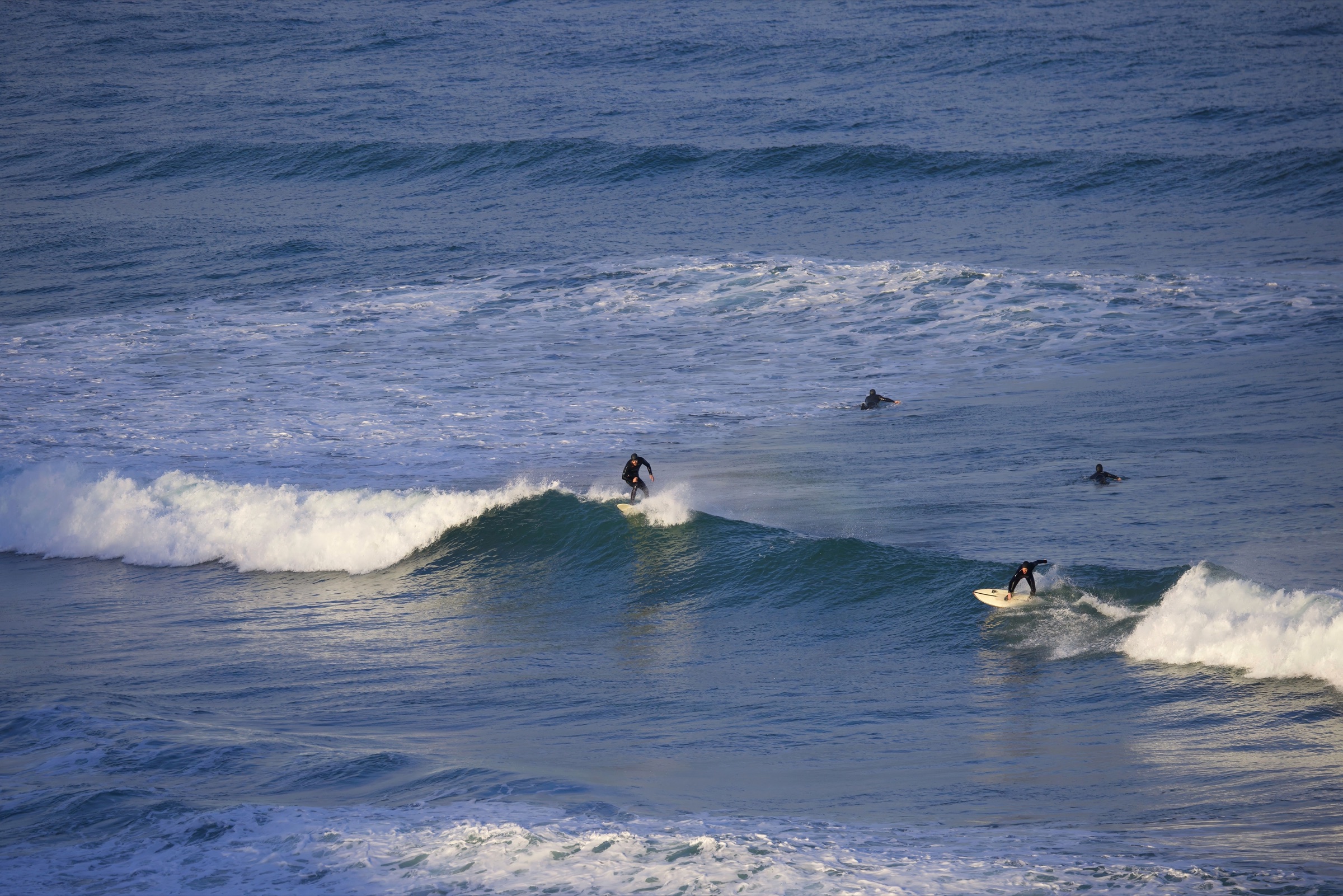
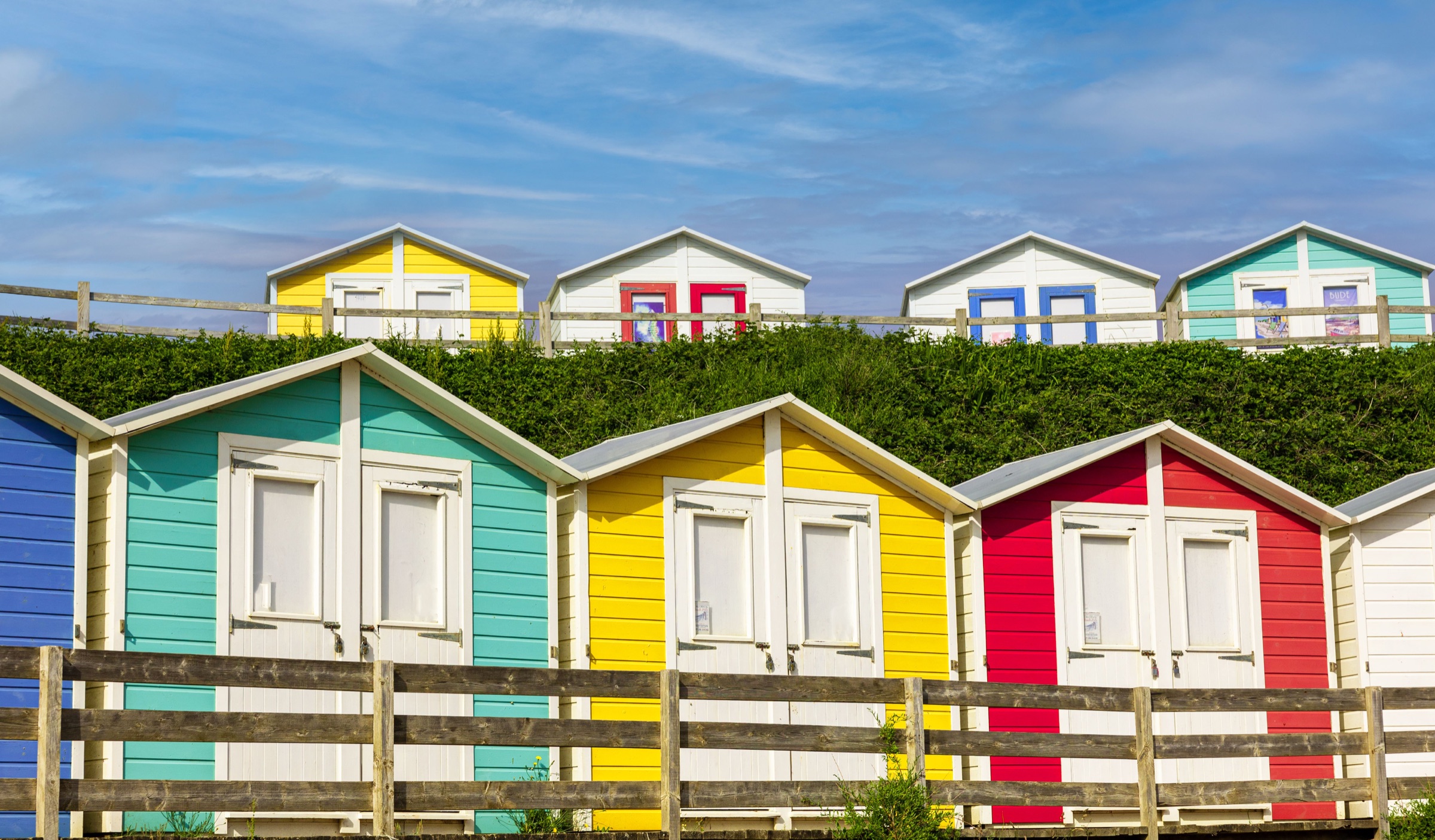
Summerleaze is the town beach in Bude, a Blue Flag stretch of sand within easy walking distance of the centre, good surf and enough space that a dog can get thoroughly tired without leaving town at all. Crooklets sits right alongside it and joins up with Summerleaze once the tide comes in far enough to erase the gap between them. Both carry a seasonal dog restriction through the busiest months, so a Bude beach walk with a dog in high summer means timing it around the flags rather than assuming free run of the sand.
North of Crooklets, the coast path climbs Maer Cliff toward Northcott Mouth, a National Trust beach that stays dog-friendly for most of the year and is where the SS Belem, the same wreck whose propellor shaft marks Barrel Rock near the breakwater, is partly exposed at low tide, an actual shipwreck rather than a story about one. At low tide it’s possible to walk the sand the whole way from Northcott Mouth back to Crooklets and finish along the cliff path instead, a full circular walk for a dog who wants the full stretch of this part of the north Cornwall coast in one outing. Sandymouth, a little further north again, is also National Trust land, lifeguarded through peak season, and connects to Crooklets by the same low-tide beach walk if the timing allows it. Duckpool, further still, sits at the mouth of the wooded Coombe valley, a river splitting the beach in two on its way to the sea and a hundred-metre cliff, Steeple Point, standing over the whole scene. Livestock graze the clifftop here, so the lead goes on for the coast path sections even though the beach itself asks nothing of a dog beyond a fondness for paddling.
South of town, the character changes. Widemouth Bay, a Blue Flag beach around three miles from Bude, is a mile of flat sand backed by low cliffs and grassy fields, rockier in places, and popular enough with surfers and families in summer that the footpaths up onto the cliffs above offer an escape from the crowd on the sand. Beyond Widemouth, the coast path narrows and climbs toward Millook, where folding in the shale and sandstone has left the cliffs in a distinctive zig-zag pattern, actual geology rather than decoration, visible from the path without needing to know anything about how it formed to notice it. Millook’s own beach is small, pebbly, and awkward to park near, better reached on foot from Widemouth than by trying to drive in directly.
The sea pool
Bude Sea Pool sits at the far end of Summerleaze, built into the rocks in 1930 after the local Thynne family put up more than half the £4,000 it cost, on the basis that it should stay free for everyone regardless of who could afford what. American troops trained here for D-Day, using the sheltered water to rehearse for landings that would happen an ocean away a few years later. By 2010, council funding had dried up and the pool was facing demolition outright. A volunteer charity, Friends of Bude Sea Pool, formed the following year, took over its management by 2012, and has since raised well over £400,000 to keep ninety metres of tidal, semi-natural pool open, free, and swimmable through every season rather than let it disappear.
Coast path north and south of the town
The coast either side of town carries its own darker history. Over eighty vessels were wrecked and plundered along this stretch between the 1820s and 1870s, enough that Bude built a reputation for wrecking it never entirely shook off. Barrel Rock, just off the breakwater, still carries a warning marker mounted on what was originally the propellor shaft of the SS Belem, the same ship whose hull is exposed further along at Northcott Mouth, wrecked at Menachurch Point in 1917. Storm Tower, built in the 1830s to watch for exactly this trouble, was moved inland by a hundred metres in 2024 to keep it ahead of coastal erosion, the second time in its history it’s had to be relocated rather than lost.
Inland, the Bude Canal ran from 1823 until 1891, built to carry lime-rich sand up into the farmland behind the coast for fertiliser. Rather than the locks a canal would normally use to climb the hills between Bude and the villages it served, engineers built a series of inclined planes, effectively railway tracks that hauled boats up out of the water on wheeled cradles, an unusual piece of canal engineering by the standards of anywhere else in Britain. Sections of the towpath along the lower stretch are still walkable today, flat and easy after a coast path that asks considerably more of a dog in either direction.
Where to base yourself
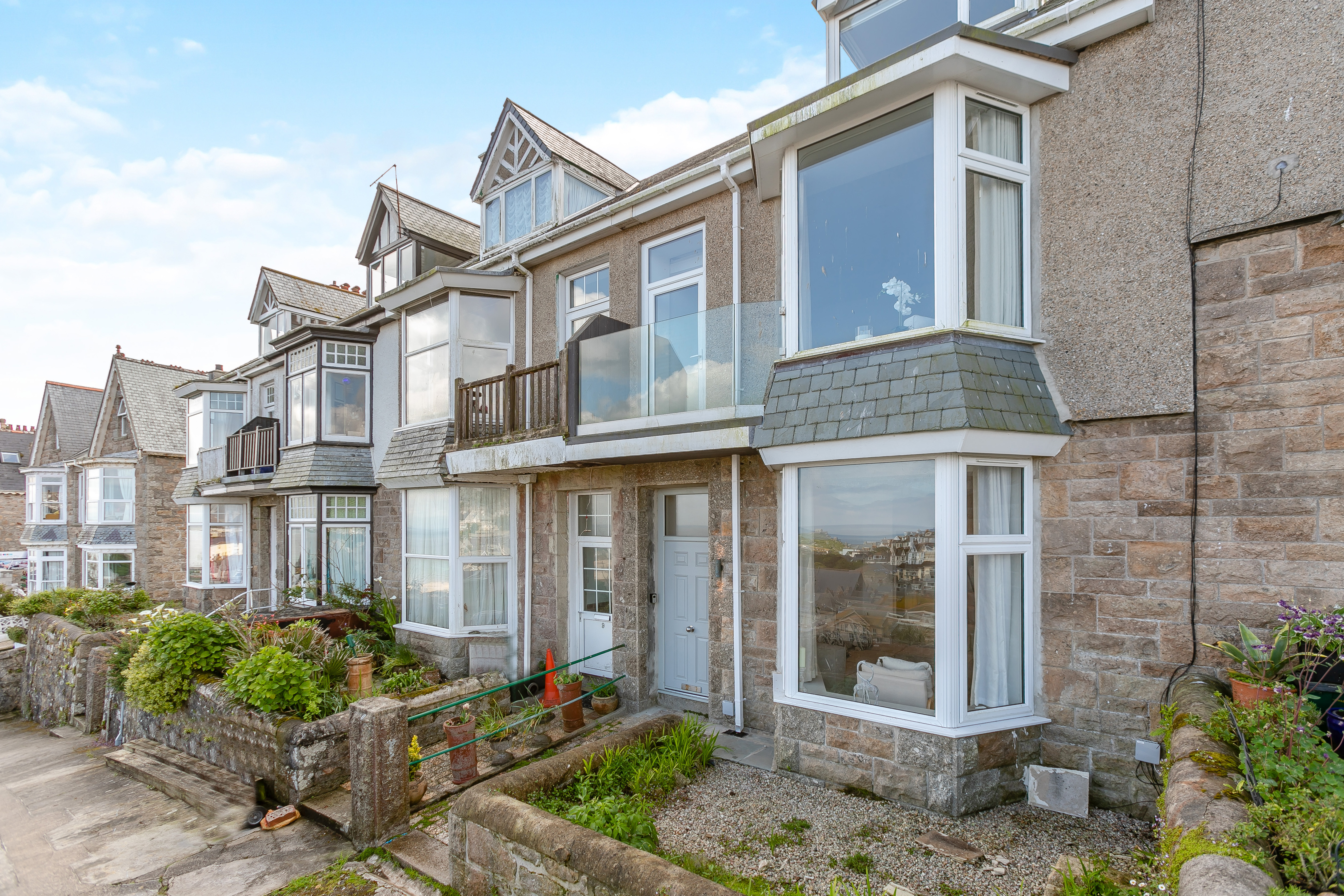
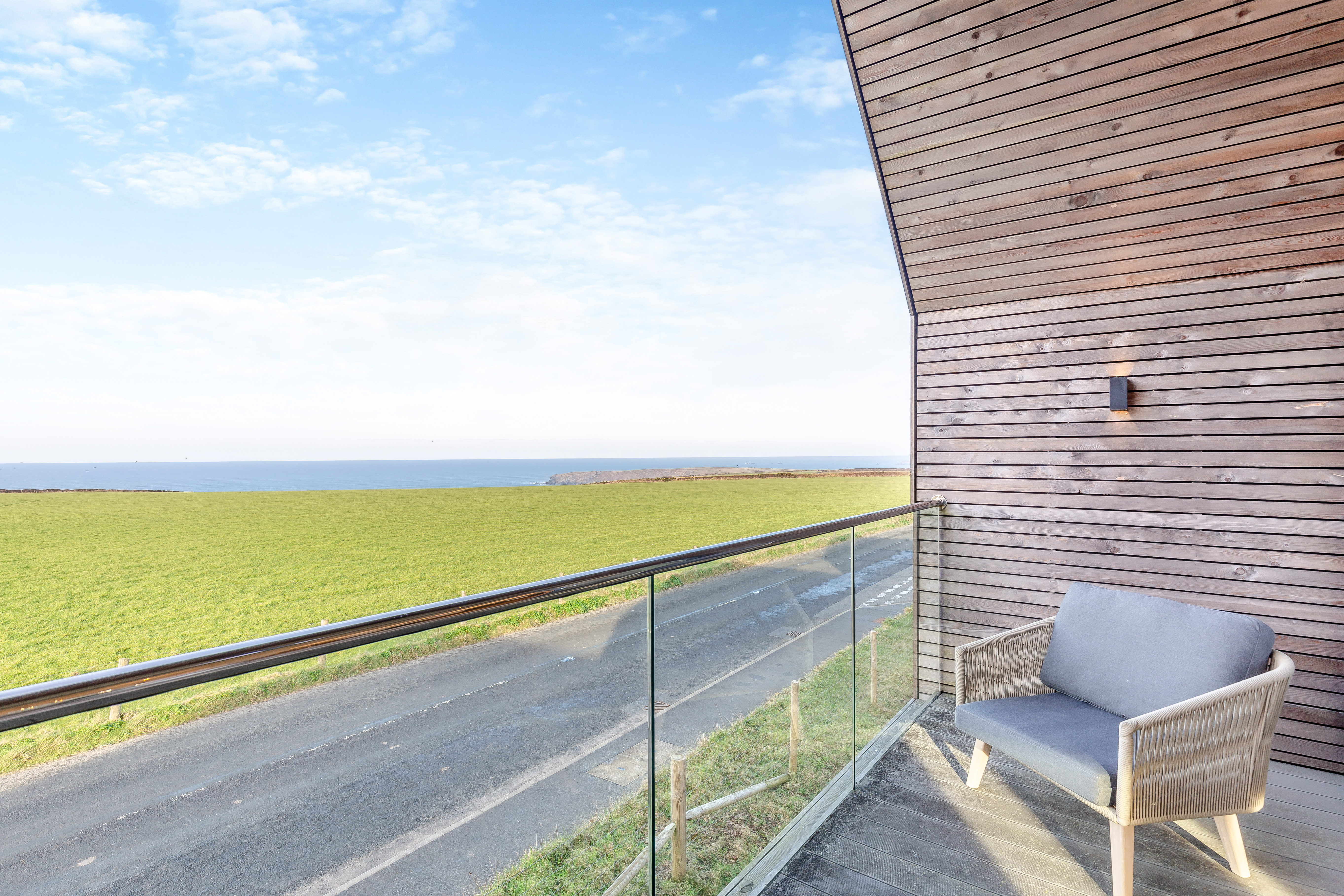
Bude sits within reach of the wider Cornwall collection we curate, and the Wild collection especially, given how much of what defines Bude as a north Cornwall dog-walking base, the surf, the wrecked ships, the sea pool built to survive that same Atlantic, runs on exposure rather than shelter. Whichever beach a dog ends up on, Summerleaze for an easy town walk, Northcott Mouth or Duckpool for something wilder and dog-friendly year-round, or Widemouth for open sand and a longer stretch of coast path, the whole run of beaches either side of town adds up to one of the more varied short stretches of coastline in this collection. For how Bude fits alongside the rest of the county’s coast, our guide to dog-friendly beaches in Cornwall covers the wider picture.